Europe’s Largest Ghettos
During the Holocaust, the Nazis and their local collaborators established hundreds of ghettos in Eastern, Central, and Southern Europe. The Budapest ghettos were among the largest and the last to be established.
1. Warsaw/Warschau
- Total population: 460,000
- Date of establishment: Established in October 1940 and sealed on 15 November by a wall
- Date of liquidation: 16 May 1943
- Duration of operation: 30 months
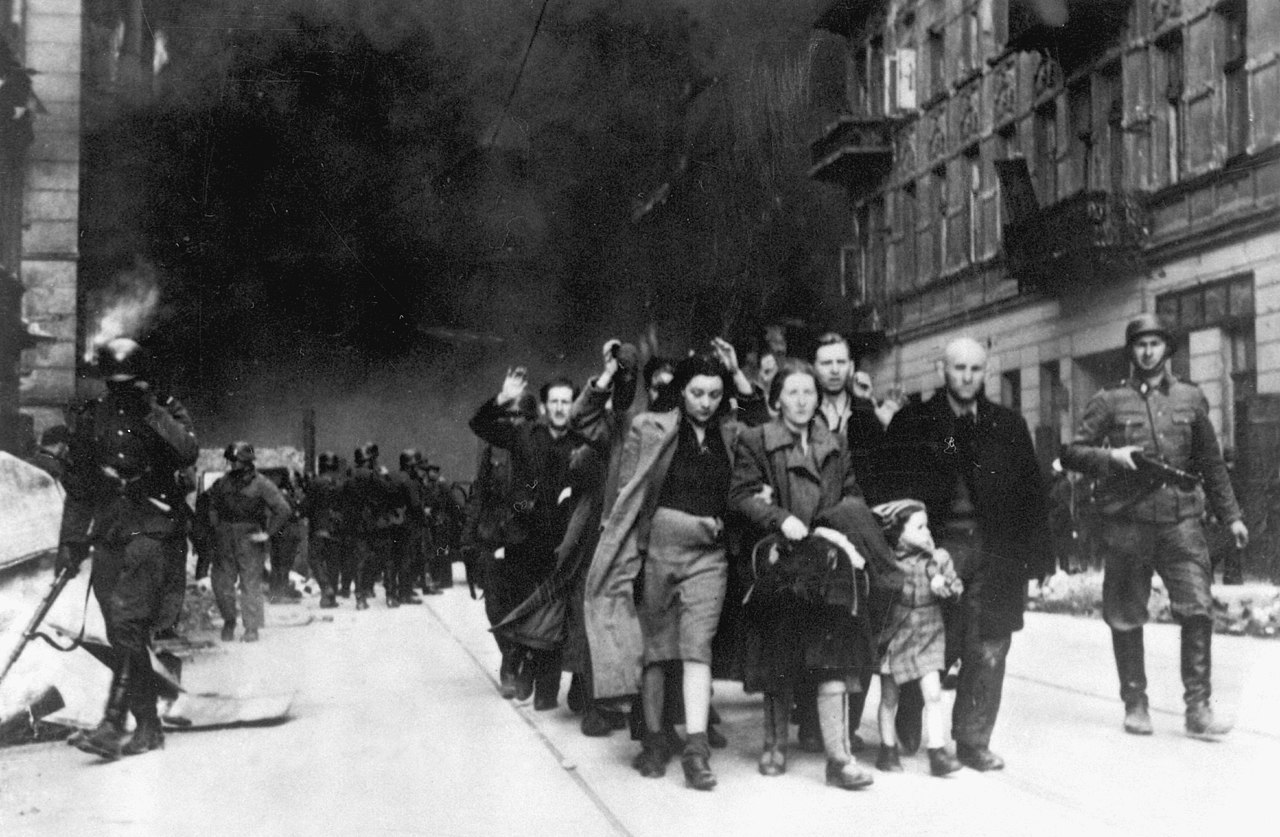
- The fate of the ghetto and its inmates: Following the Nazi and Soviet occupation of Poland in 1939, Warsaw came under German control. In October-November 1940, a ghetto was established in which Jews from Warsaw and the surrounding areas were forcibly confined-more than 450,000 individuals in total. By the time deportations from the ghetto began in July 1942, approximately 100,000 people had already perished due to starvation and disease. Between 22 July and 12 September 1942, the Nazis deported an average of 5,000 people per day from Warsaw. In total, approximately 265,000 individuals were deported, the vast majority of whom were transported to the Treblinka killing center and murdered in gas chambers. During the deportation period, thousands more were killed in their homes, in doorways, in the streets, or while being forced onto trains.
- In April 1943, the Nazis sought to deport the remaining Jews from the ghetto. However, those facing imminent death mounted armed resistance. The Nazis required a month to suppress the uprising. Approximately 56,000 people were either killed or deported during this operation. Following the suppression of the uprising, the SS demolished the buildings and liquidated the ghetto, establishing a concentration camp, known as KL Warschau, on its site.
2. Litzmannstadt/ Łódź
- Total population: 210,000 (including 164,000 local residents, 40,000 Jews from Austria, Germany, and the Czech lands, and 5,000 Roma from Burgenland)
- Date of establishment: The ghetto was sealed on 30 April 1940
- Date of liquidation: After 29 August 1944, approximately 800 -1,000 Jews remained in the ghetto, which was liberated by the Red Army on 19 January 1945
- Duration of operation: 52-57 months
- The fate of the ghetto and its inmates: By the fall of 1942, 72,000 individuals had been deported to the Kulmhof (Chelmno) killing center, where they were murdered in gas vans. In the spring of 1944, an additional 7,000 people were sent there and likewise killed. Beginning in August 1944, the SS deported between 55,000 and 65,000 individuals to Auschwitz-Birkenau, where most were murdered in gas chambers. Approximately 900 survivors were liberated by the Red Army in early 1945.
- Total population: 144,000-155,000 individuals (including 40,000 from Prague, 15,000 from Vienna, 13,500 from Berlin, 9,000 from Brno, 4,000 from Frankfurt, as well as Jews from the Netherlands and Denmark; in addition, approximately 13,000-15,000 Jewish prisoners evacuated from concentration camps arrived in April 1945)
- Date of establishment: 24 November 1941
- Date of liquidation: Early May 1945
- Duration of operation: 41 months
- The fate of the ghetto and its inmates: The 18th-century garrison town named after Empress Maria Theresa was converted into an international ghetto at the end of 1941, on the orders of SS-Obergruppenführer Reinhard Heydrich. As chief of the Nazi repressive apparatus (SD, SIPO, RSHA), he was the de facto authority overseeing the “Final Solution” and the occupied “Protectorate of Bohemia and Moravia”. Heydrich's aim was deception: prominent and well-known Jews from across Europe were brought here: leaders, intellectuals, whose unexplained disappearance might have aroused suspicion among international observers. In addition to these individuals, mostly elderly, unfit-for-labor Jews over the age of 50 from the Czech lands, Germany, and Austria were deported here. Theresienstadt, presented as a "model ghetto," was not the site of mass raids or executions. Theater performances and concerts were organized. Nonetheless, due to starvation, overcrowding, and the resulting outbreaks of disease, 35,088 residents died in the ghetto. Beginning in 1942, the Nazis deported another 88,323 people "to the East" from the ghetto: to Auschwitz, Sobibor, Treblinka, and other camps and ghettos in occupied Poland. After lengthy negotiations, on 23 June 1944, a delegation from the International Red Cross and the Danish government visited the ghetto. Their arrival was preceded by the deportation of thousands of physically weakened prisoners to Auschwitz-Birkenau, and by months of "beautification" efforts. The SS forced the Jews selected to meet the delegates to memorize pre-written scripts. Following this visit, under Nazi orders and to counter growing reports about the Holocaust in the international press, a propaganda film was produced portraying the ghetto in a positive light, as an autonomous Jewish settlement. After the filming, most of the participants were deported and murdered. From 2 May 1945, the ghetto came under the control of the Red Cross. On 9 May the Red Army liberated approximately 30,000 survivors, including 17,000 original ghetto inmates. During and after the liberation, more than 1,500 people died from illness.
4. Lemberg/Lwów/Lvov/Lviv
- Total population: 110,000–120,000 individuals
- Date of establishment: By 15 December 1941; the ghetto was sealed on 7 September 1942
- Date of liquidation: In January 1943, the Nazis officially reclassified the ghetto as a “Judenlager” (Jewish camp), and it was liquidated by the end of June
- Duration of operation: 18 months
- The fate of the ghetto and its inmates: In the summer of 1941, the eastern Polish city—then under Soviet occupation—had a Jewish population of 160,000. That year, the German invasion of the Soviet Union brought the city under Nazi control. In July, during pogroms overseen by Einsatzgruppe C, Ukrainian civilians and German forces beat and shot thousands of Jews to death. The establishment of the ghetto began in November. By 15 December 1941, 110,000–120,000 Jews had been forcibly relocated to the impoverished Zamarstynów district. Between 16 March and 1 April 1942, 15,000 people were deported to the Bełżec killing center and murdered in gas chambers. Another 40,000–50,000 were sent there between 10 and 23 August with further thousands deported in November. The ghetto, surrounded by a 2.5-meter wall, was sealed on 7 September 1942. During Nazi raids, thousands were shot in the streets or taken to the Janowska labor camp on the outskirts of the city and executed. By the end of the year, only 50,000–65,000 people remained in the ghetto, suffering from starvation and a typhus epidemic. In January 1943, 15,000 Jews were taken to the sand dunes near the Janowska camp and shot. The Jewish Council was dissolved, and its members, along with most of the Jewish police force, were executed. The ghetto was officially dismantled and renamed a “Judenlager” (Jewish camp). In the spring of 1943, massacres, public hangings, and group executions followed one another, claiming the lives of 4,000–5,000 people. On 2 June the SS began the final liquidation of the Judenlager. The Jewish resistance opened fire, killing eight Gestapo men. As in the Warsaw Ghetto, the Nazis retaliated by blowing up and setting fire to buildings. By the end of the month, 20,000 people were rounded up from the burning ghetto; some were executed on the spot, while others were deported to Janowska. After the mass graves were exhumed and tens of thousands of corpses incinerated, the Jewish Sonderkommando (special unit) revolted in November 1943. Shortly afterward, the Janowska camp was also dismantled. On 27 July 1944, the Red Army liberated the city and rescued a few thousand surviving Jews who had been in hiding.
- Total population: 100,000–110,000 individuals (75,000–80,000 local and nearby Jews in the city ghetto; 24,000–30,000 Czech, German, and Austrian Jews in the so-called “Hamburg Ghetto”)
- Date of establishment: officially 24 July 1941
- Date of liquidation: 21 October 1943
- Duration of operation: 27 months
- The fate of the ghetto and its inmates: In the Minsk ghetto, located in the capital of Belarus, the Nazis originally planned to confine the local and nearby Jewish population starting on 24 July 1941, but the process was delayed until August due to bribery. By autumn, 75,000–80,000 people were imprisoned in the ghetto. There was no lighting, heating systems did not work, and laborers received just 100 grams of bread per day. German forces carried out daily raids and killings. By the end of 1941, at least 16,000–17,000 people had been rounded up and murdered during major actions alone. At night, local bandits, Belarusian police, and Baltic auxiliary police forces raided the ghetto, looting, arsoning, and raping women. On 2-3 March 1942, 3,412 Jews were executed; in late July, a further 9,000; and in October, an additional 4,000 were killed. Beginning in the fall of 1941, transports of German, Austrian, and Czech Jews arrived from the Reich. They were housed in a previously cleared section of the ghetto known as the “Hamburg Ghetto”. Jews in this area, originating from Central Europe, initially lived under somewhat better conditions and held out hope for survival. However, executions began in the summer of 1942: the deportees were transported to nearby Maly Trostinets, where they were shot naked into mass graves or murdered in gas vans. By the fall of 1942, at least 20,000 Jews still lived in the ghetto. Ultimately, as the front drew near, the Nazis liquidated the Minsk ghetto on 21 October 1943: most of the inhabitants were executed or deported to the gas chambers of the Sobibor extermination camp.
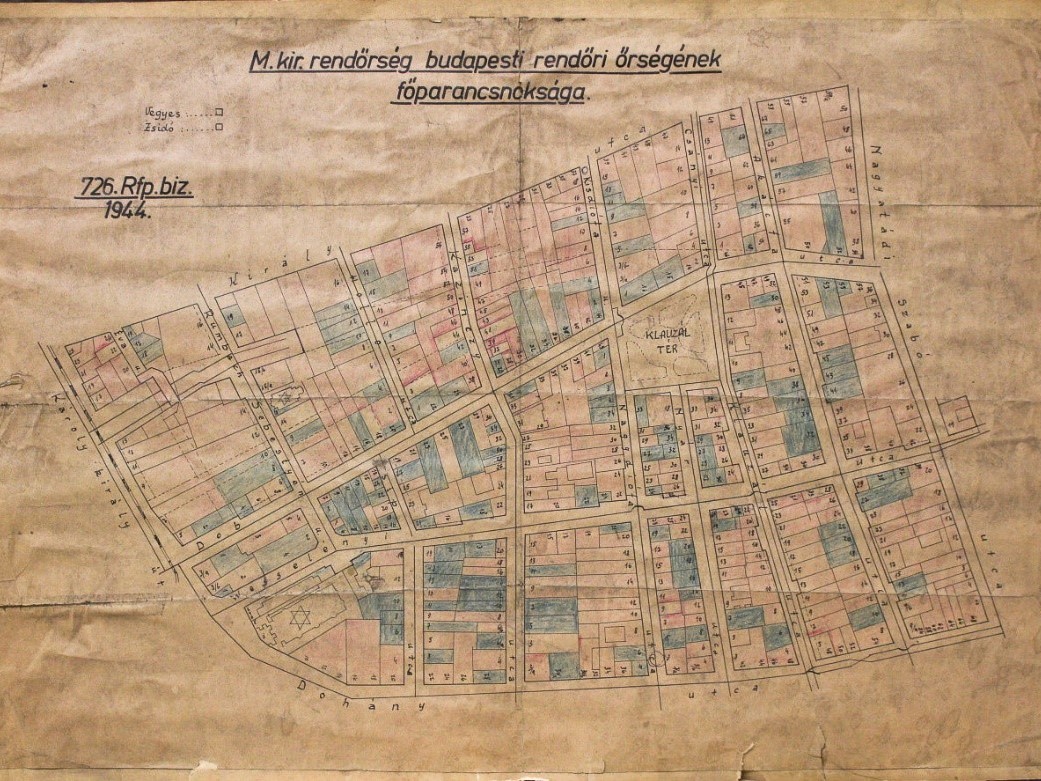
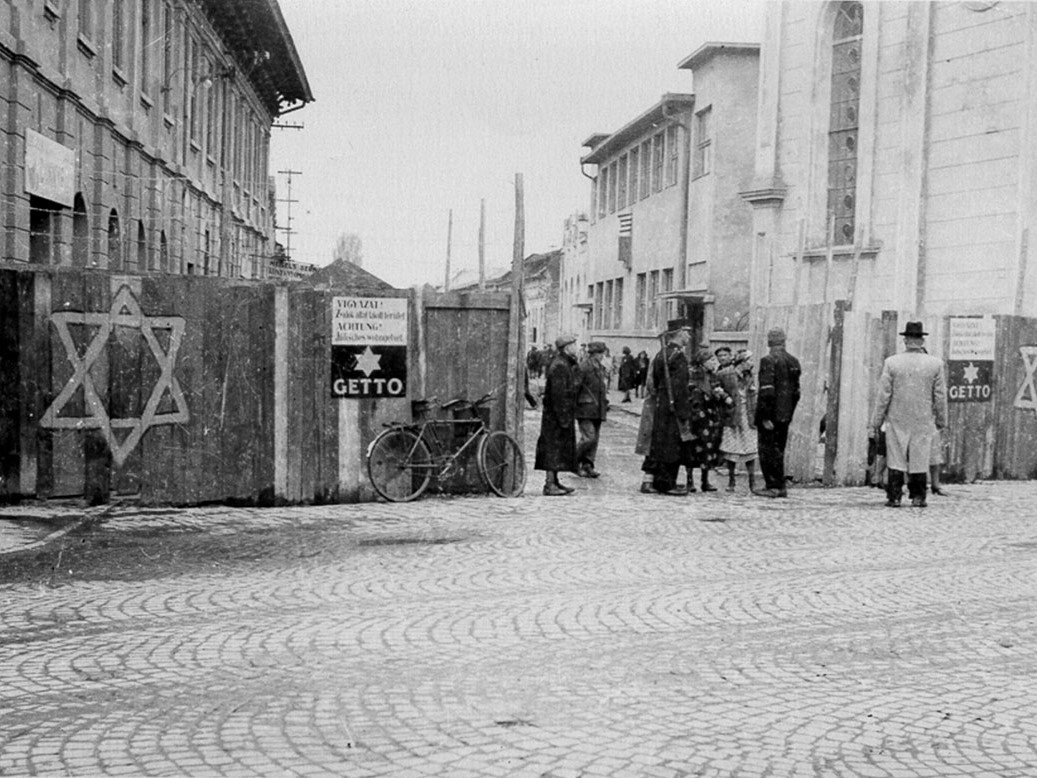
- Total population: 90,000 individuals as of January 1945 (on 23 December 1944, the registered food ration count of the large ghetto was 49,603; by January 1945, there were 65,000–70,000 people in the sealed large ghetto, and approximately 20,000 more in the so-called “international ghetto” in the Újlipótváros neighborhood)
- Date of establishment: decree establishing the ghetto: 29 November 1944; the large ghetto was sealed and walled off on 10 December 1944
- Date of liberation: both ghettos were liberated between 16-18 January 1945
- Duration of operation: 38–40 days
- The fate of the ghetto and its inmates: In the two ghettos, approximately 4,000 people died due to starvation, disease, armed conflict, and mass killings committed by the Nazis and the Arrow Cross. The survivors were liberated between 16-18 January 1945, by the Red Army during the siege of Budapest.
7. Riga (2 ghettos)
- Total population: 50,000–52,000 individuals (including 29,602 Latvians, and approximately 20,000–22,000 Austrian, German, Czech, and Lithuanian Jews)
- Date of establishment: the large ghetto was sealed on 25 October 1941; the small (also known as “German”) ghetto was established in December 1941
- Date of liquidation: between 30 November and 8 December 1941, 25,000–30,000 residents of the large ghetto were executed in the Rumbula Forest; in November 1943, the small ghetto was liquidated
- Duration of operation: large ghetto: 37 days; small ghetto: 23 months
- The fate of the ghetto and its inmates: The ghetto was first organized by the Nazis at the end of July 1941 in the so-called Moscow District on the outskirts of Riga. Jews began moving in during August. The large ghetto, sealed at the end of October 1941, was liquidated by the end of the year: the overwhelming majority of local Jews were shot into pre-dug mass graves in the Rumbula Forest by German SIPO and ORPO units with the assistance of local collaborators. Most of the survivors were young men and women capable of forced labor.
- Between the end of 1941 and summer 1942, German and Austrian Jews deported from cities such as Dortmund, Bonn, Leipzig, Hamburg, Würzburg, Prague, and Vienna were resettled in the small ghetto, taking the place of the murdered Latvian Jews. After some initial hesitation, the local police extended the scope of executions to include these deportees as well.
- In mid-March 1942, the elderly were lured with the false promise of light work at a nearby (nonexistent) fishing facility; by the end of the month, another mass raid was carried out—resulting in the murder of thousands more.
- Beginning in the summer, increasing numbers of Jews were forced to work on the construction of the Salaspils labor camp and in various factories in Riga, producing goods for the Nazi air force and army. By the summer of 1943, approximately 12,000 people remained in the ghetto. That autumn, the liquidation of the Jewish district began.
- The 4,000 remaining inmates of the small ghetto were deported in the fall of 1943 to the Riga-Kaiserwald concentration camp in the suburb of Mežaparks; an additional 2,268 individuals were sent to Auschwitz-Birkenau.
8. Saloniki/Salonika/Thessaloniki (4 ghettos)
- Total population: 49,000–50,000 individuals
- Date of establishment: sealed on 25 February 1943
- Date of liquidation: operated until August 1943
- Duration of operation: 5.5–6 months
- The fate of the ghetto and its inmates: The ghetto was established at the end of February 1943 by SS captains Dieter Wisliceny and Alois Brunner, who had been sent by Adolf Eichmann, head of the Gestapo’s Jewish Affairs Department. They also organized the deportation of the local Jewish community. The first trains departed for Auschwitz-Birkenau a few weeks later, in mid-March. Each transport carried between 1,800 and 4,500 people to the extermination camp.
- By August 1943, between 44,000 and 48,000 individuals had been deported, according to various sources. The majority were murdered by the SS in gas chambers on the day of arrival. Smaller groups—primarily those holding Italian, Spanish, or other foreign citizenship—were deported to the Bergen-Belsen concentration camp.
- The ghetto, emptied by August, was dismantled by the Germans.
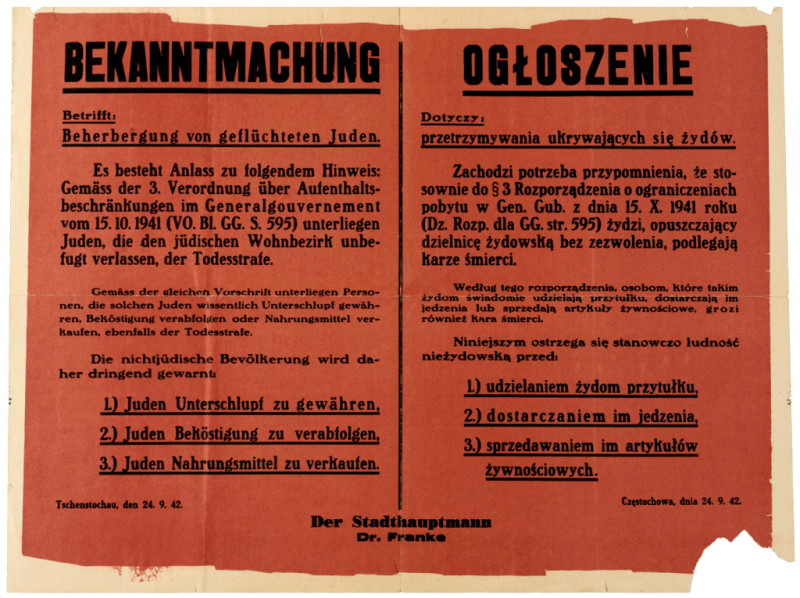
9. Częstochowa (2 ghettos)
- Total population: 48,000 people in the large ghetto (of whom approximately 20,000 had arrived from other cities); from October 1942, 5,200 people in the small ghetto
- Date of establishment: 9 April 1941; the ghetto was sealed on 23 August 1941. The small ghetto was established in October 1942
- Date of liquidation: the large ghetto operated until early October 1942; liquidation of the small ghetto began at the end of June 1943. The SS crushed the resistance, demolished the buildings on July 20, and dismantled the ghetto
- Duration of operation: a total of 28 months—18 months for the large ghetto, followed by 10 months for the small ghetto
- The fate of the ghetto and its inmates: Between 22 September and 8 October 1942, the Nazis deported 39,000 Jews to the Treblinka extermination camp, where they were murdered in gas chambers. An additional 2,000–3,000 people were killed during raids and executions.
- Beginning in February 1943, Nazi actions resumed against the 5,200 survivors in the small ghetto. In June and July, the small ghetto was also liquidated. The last 3,900 residents were deported to labor camps.
- The surviving inmates were liberated by the Red Army.
- Total population: 43,000 individuals at the time the ghetto was sealed. (Before the ghetto’s establishment, 5,000–6,000 local Jews had already been killed)
- Date of establishment: the ghetto was sealed on 1 August 1941
- Date of liquidation: following the uprising that broke out on 17 August 1943, the SS crushed the resistance, then set the ghetto on fire and dismantled it by mid-September
- Duration of operation: 25.5 months
- The fate of the ghetto and its inmates: In July 1941, Einsatzgruppe B’s Unit 8, along with two police battalions (Ordnungpolizei 309 and 316), killed or burned alive 7,000 local Jews—including patients in the Jewish hospital—over the course of two weeks. The ghetto, enclosed by a 2.5-meter fence, was sealed on 1 August 1941. Although 5,000 people were soon deported elsewhere and the death rate doubled compared to prewar levels, the Jewish Council successfully organized food supplies and, through draconian measures, prevented outbreaks of disease.
- Residents lived in relatively tolerable conditions. By the summer of 1942, around 8,600 people performed slave labor in approximately 20 factories working for the Nazis, with the Wehrmacht being their largest client. In the autumn of 1942, when the deportation of the ghetto came under discussion, German industrialists and officials—concerned about production—successfully lobbied Berlin to preserve the ghetto. The deportation was canceled.
- However, in early February 1943, the Nazis carried out a week-long raid, during which 2,000 people were murdered in the ghetto and another 8,000 were deported to the Treblinka extermination camp. The 30,000 slave laborers and their families were initially spared.
- In July, SS-Reichsführer Heinrich Himmler overrode economic considerations and ordered the liquidation of the ghetto. The Jewish resistance attacked the Nazis, but the uprising was suppressed. Between 17 and 23 August 1943, 25,000 people were deported in 14 transports. Most were sent to labor camps near Lublin, but two transports went to Auschwitz-Birkenau, and several thousand individuals were taken to the gas chambers at Treblinka.
- The approximately 5,000 survivors continued working for two more weeks in the small ghetto, which replaced the dismantled large ghetto. In September, they too were deported to Lublin. In early November, the SS carried out the so-called “Aktion Erntefest” and executed the majority of the 15,000 Białystok Jews still working in factories and camps there. In the end, only a few hundred residents of the ghetto survived the war.
11. Tarnow/Tarnów (3 ghettos):
- Total population: 40,000 individuals (several thousand arrived from surrounding settlements)
- Date of establishment: the large ghetto began forming in March 1941 and was sealed three months later. Ghettos A and B were established at the end of October 1942
- Date of liquidation: the large ghetto was liquidated at the end of October 1942; the A and B ghettos were liquidated on September 3, 1943
- Duration of operation: the large ghetto existed for 19 months; the A and B ghettos for an additional 11 months
- The fate of the ghetto and its inmates: Half of Tarnów’s 50,000 residents were Jewish. From the end of 1939, under Nazi occupation, Jews were required to wear identifying symbols. Beginning in March 1941, they were forced to move into a ghetto, which remained open to the outside world for several months. The Nazis brought in thousands more Jews from nearby towns and villages, raising the population to 40,000.
- The liquidation of the ghetto began on 10 June 1942. In the following days, the SS murdered 7,000 people in Tarnów and nearby forests. Another 11,500 were deported to the Bełżec killing center. The survivors were crowded into a smaller, fenced-off ghetto.
- At the end of July, a further 1,800 were deported to Bełżec; many children and elderly people were killed. Deportations continued in September and October. The ghetto was divided into two sections, A and B; those deemed unfit for work in the ’B’ ghetto were deported to Bełżec.
- By 1943, only 9,000 able-bodied Jews remained in the ghettos. On September 3, the Nazis deported 6,000 people to Auschwitz-Birkenau and 2,000 to KL Plaszow near Kraków. Hundreds were murdered during the raid. Only a few hundred Jewish laborers remained in Tarnów.
12. Lublin (3 ghettos):
- Total population: 34,000–40,000 individuals
- Date of establishment: the large ghetto was set up in March 1941
- Date of liquidation: end of April 1942
- Duration of operation: the large ghetto functioned for 14 months; the Majdan Tatarski ghetto for an additional half year
- The fate of the ghetto and its inmates: Of Lublin’s 43,000 Jewish residents, thousands fled from the occupying Nazis. At the turn of 1939–1940, thousands of Jews were expelled from the city center and relocated to surrounding towns. The occupiers established the ghetto in March 1941, though it remained open for some time. Inmates had contact with the outside world, and food supply conditions were better than in many other ghettos.
- In early 1942, the ghetto was divided into two sections (A and B), and on March 17 the deportations began: over the course of one month, the Nazis transported 26,000 Jews to the gas chambers of the Bełżec extermination camp. This was the first major deportation operation from a large city in the history of the Holocaust.
- Some of the survivors were transferred to a suburban ghetto (Majdan Tatarski), others to local labor camps, while 2,000 women and children were executed in the Krepiec forest. After several smaller deportations in the fall of 1942, the SS liquidated the new ghetto as well: its remaining inhabitants were sent to the Majdanek concentration camp (KL Lublin), constructed on the outskirts of the city by Jewish prisoners.
- Most were murdered along with labor camp inmates during “Aktion Erntefest” on November 3, 1943. The last surviving Jews in Lublin were killed in July 1944, just before the arrival of the Red Army.
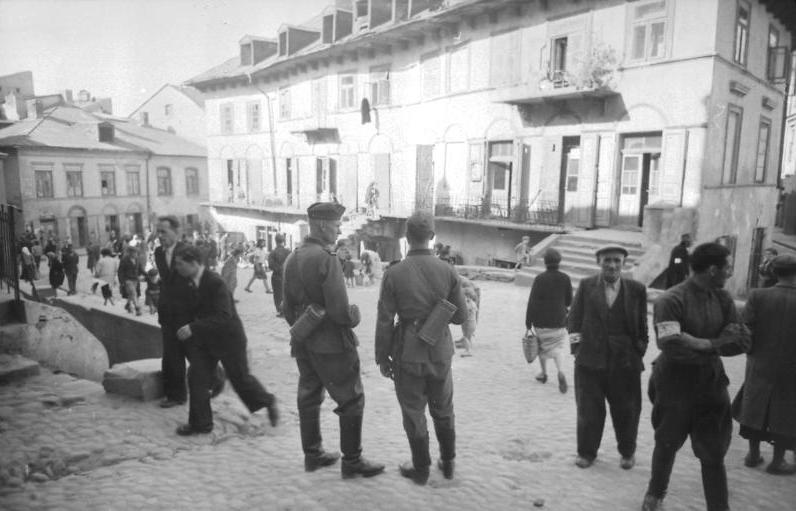
- Total population: 30,000–40,000 individuals
- Date of establishment: the small and large ghettos were established on 6 September 1941
- Date of liquidation: the small ghetto existed until October 1941; the large ghetto until 23-24 September 1943
- Duration of operation: 24.5 months (large ghetto)
- The fate of the ghetto and its inmates: The massacre of Vilnius’s Jews began just days after the Nazis arrived. In July 1941 alone, German death squads and an extremist Lithuanian militia executed 5,000–10,000 Jews in the nearby Ponary forest. Starting in August, the killings were continued by Einsatzkommando 3 (Ek3), a unit under the command of SS Colonel Karl Jäger, part of Einsatzgruppe A. On 2 September, in retaliation for an alleged attack against the Germans, in fact staged by the Germans, they executed 3,700 Jews in Ponary.
- After months of planning, the Germans designated two separate ghettos (small and large) near each other in the suburbs. On 6-7 September, 40,000 people were forced into an area that previously housed a tenth of that number. The small ghetto housed mostly those deemed unfit for labor. The killings continued unabated.
- On 12 and 17 September, another 4,605 people were murdered. By mid-October, the small ghetto was liquidated, and those without work were executed. Between 16 October and 19 November 1941, Ek3 shot an additional 10,339 people, including 2,360 children.
- In 1942, the situation temporarily stabilized: mass executions ceased, and a degree of cultural life resumed, with schools and theaters opening. At that time, 17,200 Jews remained in the large ghetto, most of whom were allowed to leave daily for work.
- In the summer of 1943, however, SS-Reichsführer Heinrich Himmler ordered all ghettos to be converted into labor camps. In August, many Jews from the Vilnius ghetto were deported to KL Vaivara in Estonia to work in oil extraction.
- Around 10,000 people remained in the ghetto, but not for long. By late September, fearing the growing resistance movement, the SS liquidated the ghetto. Three thousand people were executed; the rest were deported to labor camps in Estonia and Latvia.
14. Nagyvárad/Oradea (2 ghettos)
- Total population: 35,000 individuals
- Date of establishment: 3-8 May 1944
- Date of liquidation: 5-27 June 1944
- Duration of operation: 34–47 days
- The fate of the ghetto and its inmates: The largest ghetto in rural Hungary was established in Nagyvárad (today: Oradea, Romania), a city in the Partium region that Hungary lost after World War I and regained from Romania in 1940 with the help of Nazi Germany and Fascist Italy. According to the 1941 census, 23% of the city’s 93,000 residents (21,333 people) identified as Jewish.
- Following the German occupation of Hungary on 19 March 1944, the ghettoization process began. Between 3 and 8 May, two ghettos were set up in Nagyvárad: one for approximately 27,000 local Jews, and another for 8,000 Jews brought in from nearby towns and villages.
- After the Hungarian authorities deported 27,215 people to Auschwitz-Birkenau in 9 transports, both ghettos were liquidated.
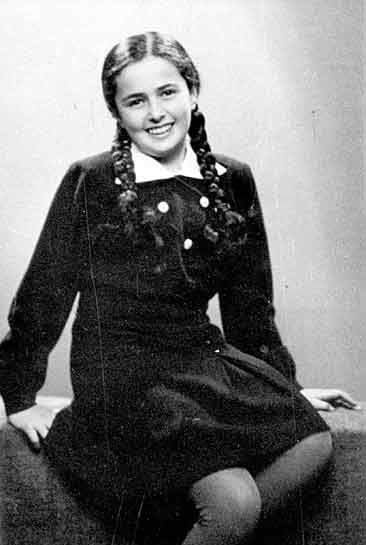
- Total population: 30-35,000 (several thousand Jews arrived from other settlements; at the time of the ghetto's closure in 1943, the population was 27,456, and in August it was 20,936)
- Establishment of the ghetto: the move took place between October 1942 and March 1943; sealing of the ghettos: 10 March 1943 (Srodula ghetto) and May 1943 (Stary Sosnowitz ghetto)
- Date of liquidation: 1-15 August 1943
- Period of operation: 5 months
- Fate of the ghetto and its inmates: in May and June 1942, the Nazis deported 3,200 people unfit for work (children, orphans, disabled people, hospital patients, elderly people) from Sosnowitz to Auschwitz-Birkenau. Between August 15 and 18, another 8,000 followed, while hundreds were shot or committed suicide. Between May and June 1943, 2,645 Jews were deported from the ghetto, and then the liquidation of the ghetto began. An 800-strong Nazi police unit clashed with Jewish resistance fighters and deported the Jews of Sosnowitz to Birkenau in ten transports between August 1 and 12. The last 1,500-2,000 Jews were forced to work in the former ghetto for several months, and most of them were deported to Birkenau at the end of 1943 and in early 1944.
16. Radom (2 ghettos)
- Total population: 32-33,000 (27,000 in the large ghetto, 5-6,000 in the small ghetto)
- Sealing of the small and large ghettos: 7 April 1941
- Date of liquidation: first liquidation of the small ghetto: 5 August 1942; first liquidation of the large ghetto: 17 August 1942. The large ghetto operated until early October 1942; final liquidation of the small ghetto: 8 November 1943. Final liquidation: 25 July 1944.
- Period of operation: the two ghettos operated for 18 months, after which forced labor camps were set up on the site. Jews were imprisoned in various forms (ghetto, factory, labor camp) for a total of 31 months in the small ghetto and 39.5 months in the large ghetto.
- Fate of the ghetto and its inmates: At the beginning of 1942, minor raids began. On the night of August 5, the liquidation of the small ghetto began: the Nazis shot 600 children and elderly people, and the majority were deported to the Treblinka killing center. On the night of August 16-17, Ukrainian SS troops murdered 1,000 people in the large ghetto and deported 18,000 to Treblinka. Between 4,000 and 5,000 Jews remained in Radom, where they were forced to perform hard labor in camps set up in the ghetto. In 1942-1943, raids, executions, and deportations claimed another 2,000 victims. In November 1943, the small ghetto was liquidated, followed by the closing of the last slave labor camp in the ghetto on 25 July 1944. The women were deported to Auschwitz, and the men to the Reich.
17. Kaunas/Kovno/Kauen
- Total population: 29,000-32,000
- Date of establishment: 15 August 1941, with 29,670 prisoners
- Date of liquidation: after 26 October 1943
- Duration of operation: 38 months
- The fate of the ghetto and its prisoners: German and Lithuanian Nazis had already killed 10,000 local Jews before the ghetto was established in August. The killings continued after the ghetto was established: by the end of October 1941, 12,000 inhabitants of the ghetto had been shot, and later there were further massacres. In the fall of 1943, the ghetto was liquidated and the KL Kauen was established in its place. The inhabitants of the ghetto were imprisoned there or transported to other German camps. When the Red Army entered the city on 1 August 1944, they found approximately 2,000 Jews alive.
18. Bedzin
- Total population: 30,000 (several thousand arrived from nearby settlements)
- Establishment of the open Jewish quarter: May 1942, demarcation of the ghetto boundaries: October 1942, relocation of Jews: March 1943
- Date of liquidation: 25 August 1943. The SS crushed the resistance, demolished the buildings on 20 July and liquidated the ghetto.
- Period of operation: 11 months from the demarcation of the ghetto
- Fate of the ghetto and its inhabitants: On 12 May 1942, the SS deported 3,200 people to Auschwitz-Birkenau, followed by 5,000 more after a three-day selection process in August. Between May and July 1943, thousands more were deported to Birkenau in several waves. The final liquidation of the ghetto began on 1 August 1943 when the SS forces crushed Jewish resistance. After the deportation of 12,000 people, 300 Jews fit for work remained in Bedzin, and several hundred more were sent to labor camps.
19. Munkács/Mukacevo (2 ghettos)
- Total population: 29-30,000
- Establishment: The move to the ghetto took place on 19-20 April 1944
- Liquidation: After 23 May 1944
- Duration of operation: 33 days
- The fate of the ghetto and its inmates: Munkács (today: Mukachevo, Ukraine) is located in the Carpatho-Ruthenia, a region that Hungary lost in World War I but regained from Czechoslovakia in November 1938. In this “little Jerusalem” with a population of 32,000, 42.7%, or 13,488 people, identified themselves as Jewish in 1941. After the German occupation of Hungary (March 19, 1944), ghettoization began first in Carpatho-Ruthenia. The Hungarian authorities established two ghettos in Munkács: one in the central Jewish quarter of the city for the local population, and the other in the Sajovits brick factory for 14,000 Jews deported from the surrounding localities. After the Hungarian authorities deported 28,587 people to Auschwitz-Birkenau in nine transports over a period of ten days between 14 and 23 May, the ghettos were liquidated.
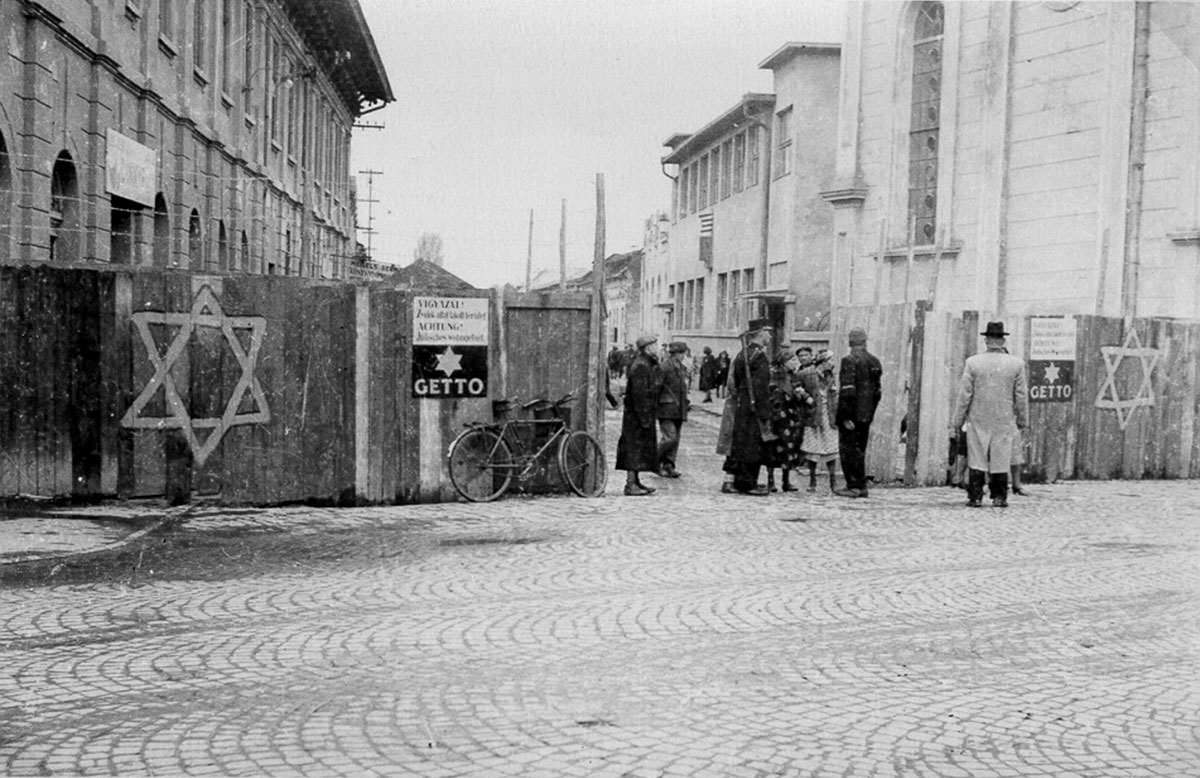
- Total population: 27,000 (including several thousand Poles from the surrounding area and 1,000 Jews from Vienna)
- Date of establishment: the large ghetto was sealed off on 5 April 1941
- Date of liquidation: the large ghetto operated until 24 August 1942; the small ghetto was liquidated on 29 May 1943
- Period of operation: 25.5 months (large ghetto: 16.5 months, small ghetto: an additional 9 months)
- The fate of the ghetto and its inmates: In the spring of 1941, nearly half of the population of Kielce, 27,000 people, were crammed into a ghetto covering 15% of the city's area. The Jews were given five days to move in. The ghetto was sealed off on 5 April. There was no electricity or heating, and the sewer system did not work. A typhus epidemic soon broke out. The German police (Gestapo, Schutzpolizei) constantly terrorized the population. Raids, executions, and murders followed one after another. In early 1942, food rations for Jews were reduced to a quarter of what they had been. Many ghetto residents starved to death, but thanks to the efforts of the Jewish Council, most of the community was still alive in the summer. However, between 20 and 24 August 1942, the Nazis unexpectedly deported 20,000 people to the Treblinka extermination camp in three transports. As there were too few cattle cars, 120 Jews were crammed into each one. But even this was not enough, so Hans Geier, head of the local Schutzpolizei branch, and his men shot 2,000 people, including 527 children from the Jewish orphanage, pregnant women, and residents of the home for the elderly, instead of deporting them. The large ghetto ceased to exist. The 1,700 inhabitants of the small ghetto that replaced it were lined up by the Nazis on 29 May 1943: 50 children were shot, and the rest were sent to nearby factories for slave labor. With the front approaching, the survivors were deported to Auschwitz-Birkenau in the summer of 1944.
-
-
-
-
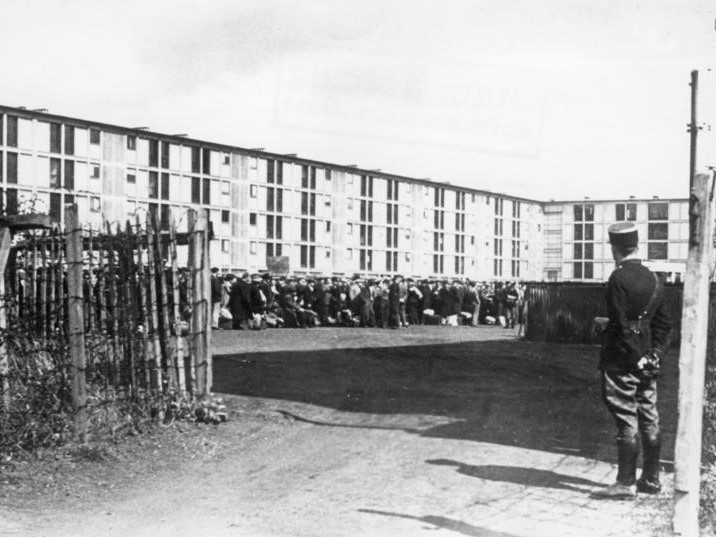
Budapest, Paris, Auschwitz. Budapest Jews and the Holocaust in France
-
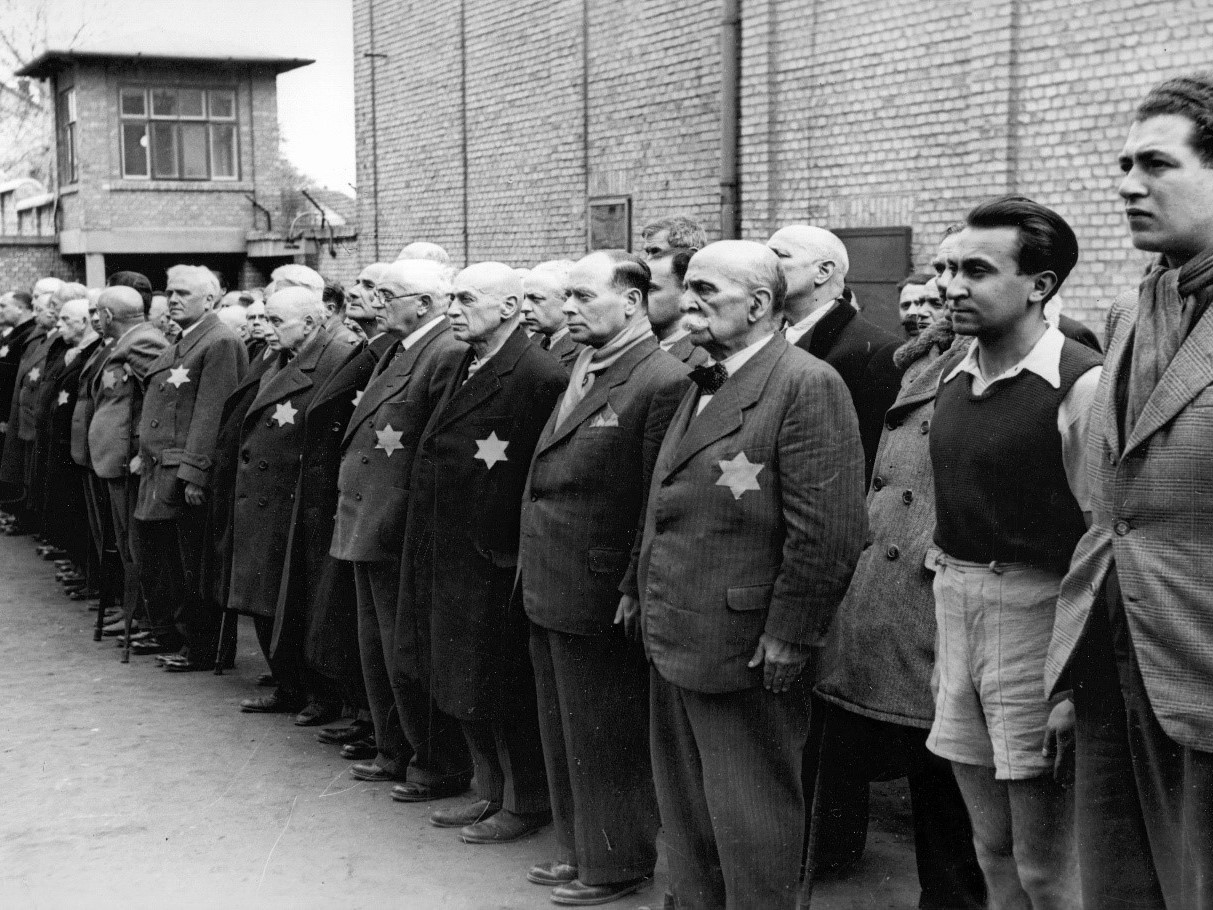
Invasion, Police Raids, Internment. The German Occupation and the Budapest Jews
-
-
Star-Marked City. The First Ghettoization of the Budapest Jews
-
-
"In Poland, Jews are being gassed and burned." The Suspension of the Deportations
-
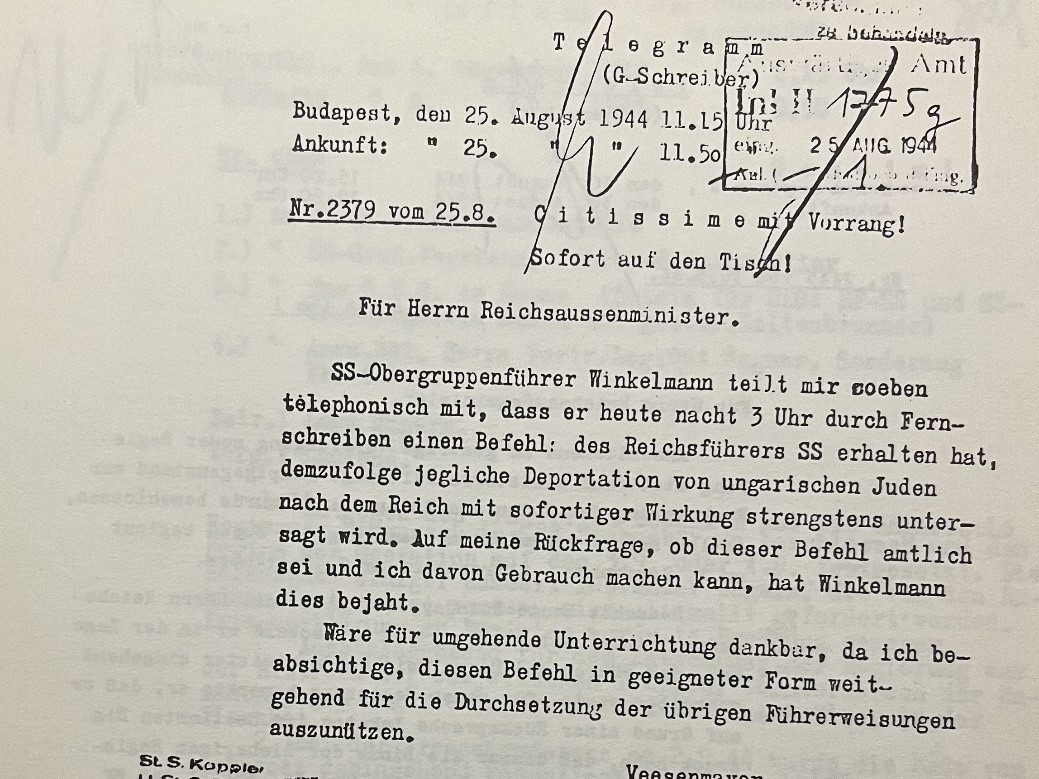
Chips on the Poker Table. The Fate of the Budapest Jews in August 1944
-
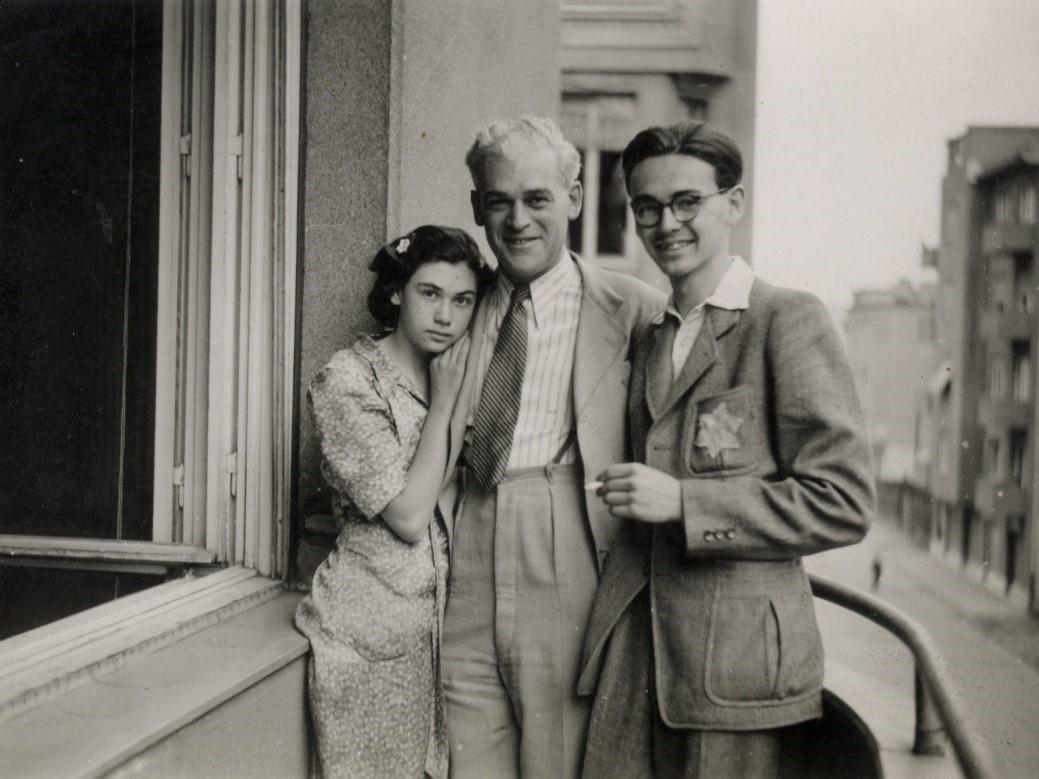
“They are being killed with gas and burned.” What did the Budapest Jews know and what could they do?
-
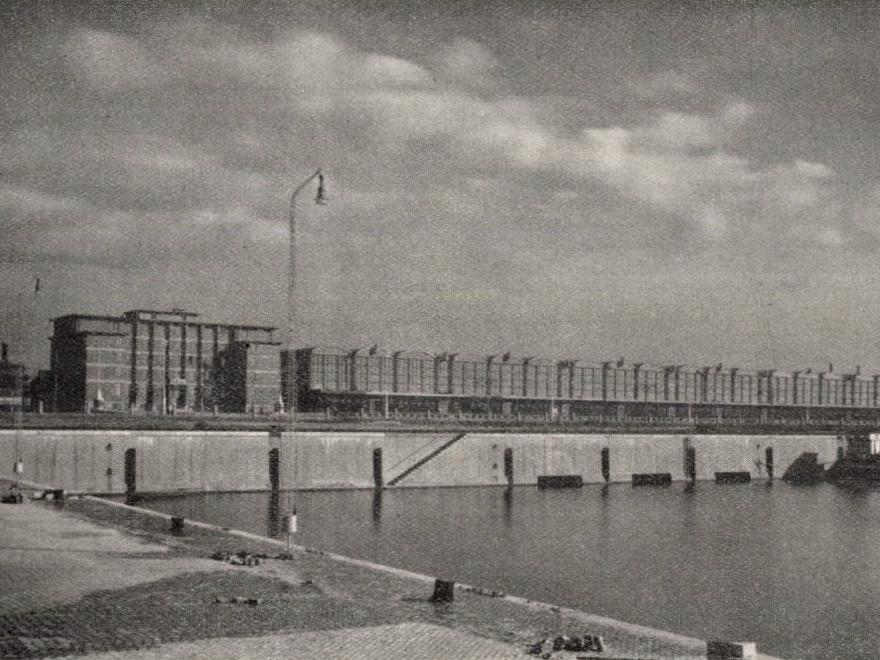
Großaktion Budapest. How would the Jews of Budapest have been Deported?
-
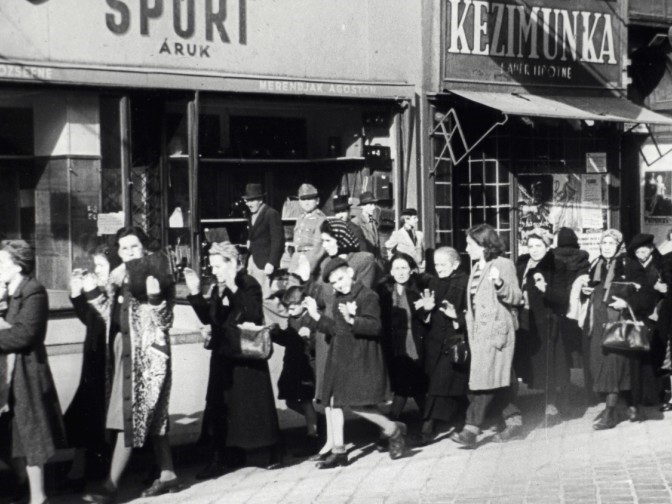
“The Danube was Red with Jewish Blood.” Arrow Cross Murders in Budapest
-
-
Death March, Brick Factory, Slave Labor. The Budapest Deportations in Late 1944
-
Ghetto and Liberation. Jews of Budapest at the End of the War
-
-
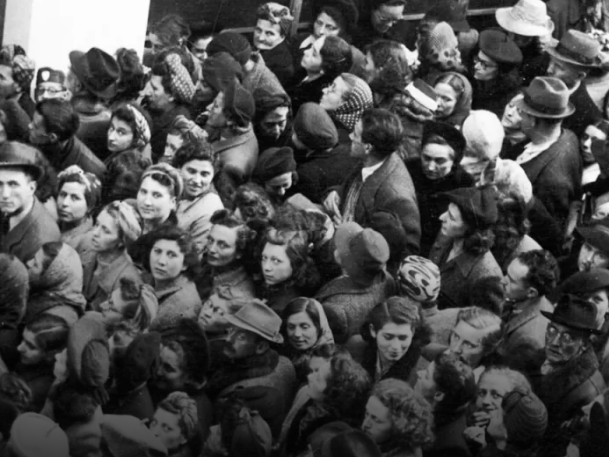
To Obey or Resist? Group and Individual Responses to Persecution in Budapest
-
-
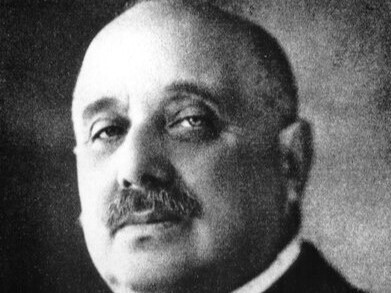
Fates in Budapest. The Founder of the Hungarian Pharmaceutical Industry: Gedeon Richter
-
-
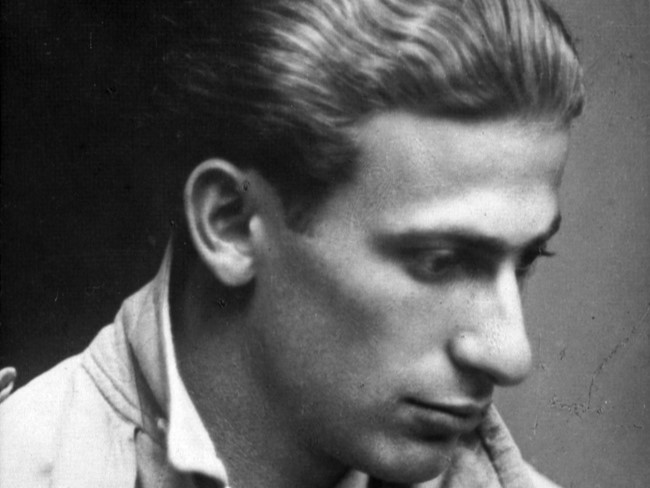
Fates in Budapest. The Rosenthal Saga: Forced Labor, Bergen-Belsen and the "Horror Train"