Murder and Rescue. Raids on the Children's Homes
During the winter of 1944–45, nearly 70 children's homes in Budapest provided shelter for thousands of Jewish children and teenagers. These institutions were frequent targets of violent raids by armed members of the Arrow Cross militia.
At the end of 1944, many thousands of Jewish children and teenagers remained without supervision in Budapest. Their parents and adult relatives had been taken to forced labor service, deported, or executed. Many had been separated from their families; others had been given by parents condemned to death into the care of Christian relatives or friends—hoping the child might have a better chance of survival with them. In Budapest, which had sunk into one of the most destructive urban battles of the Second World War, many of the Christian caretakers were also killed, while others had to flee, becoming separated from the children entrusted to them.
The Red Cross rescue operation
The International Red Cross, which passively looked on as the rural Jewish population was deported, carried out significant rescue activities during the Arrow Cross period. Under the leadership of delegate Friedrich Born, a substantial institutional network was established to protect the persecuted. The “A” and “B” sections were led by the Zionist Ottó Komoly and the Lutheran pastor Gábor Sztehlo, respectively. In nearly 70 homes, several thousand Jewish children were housed.
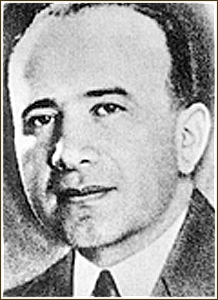
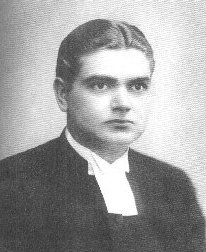
The orphanage and children's home network, established in just a few weeks, became a constant target of Arrow Cross raids. Teenagers over the age of 14 were taken away for forced labor service, while the younger children were to be transported to the large ghetto. The aim of the armed men was often simply robbery and murder.
Roundup in Munkácsy Mihály Street
On the morning of 24 December 1944, a group of 15–20 Arrow Cross members appeared at the Jewish orphanage located at 5–7 Munkácsy Mihály Street. The children, their caretakers, and the patients in the institution were ordered into the courtyard. There, they were robbed, and then some Arrow Cross members searched the building, where they found a three-year-old and a one-and-a-half-year-old child, a caregiver in her thirties, and two elderly patients. All five were executed on the spot. Afterwards, the group assembled in the courtyard was forced to march away. A 15-year-old boy with a limp couldn’t keep up with the group and was shot dead.
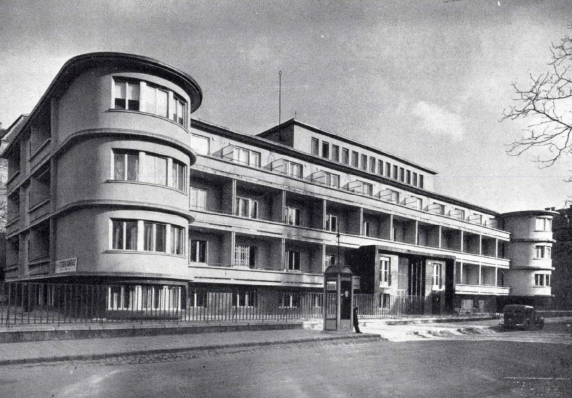
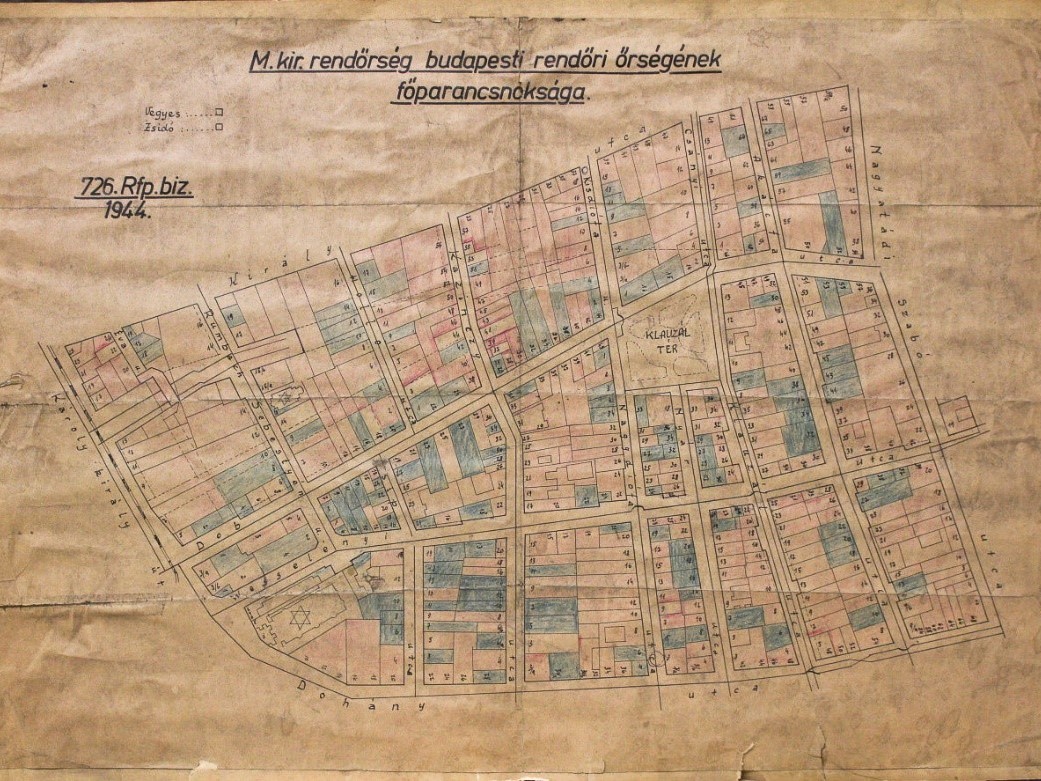
The children taken from the orphanage were first brought to the Radetzky Barracks (3 Bem Square), then to the large ghetto. The Jewish Council housed them at 10 Kazinczy Street. From there, members of the auxiliary military force and representatives of the Red Cross, using forged documents, managed to return most of them to the orphanage.
Assault on Vilma Királynő Avenue
At the same time as the attack on the orphanage on Munkácsy Mihály Street, on the morning of 24 December, Arrow Cross members also raided the Jewish children's home at 25–27 Vilma Királynő Avenue. The children rounded up there were also driven to the Radetzky Barracks, where they were ordered to be taken to the center of the main ghetto, on Síp Street. However, they misunderstood the instruction and took the Jews to Szív Street instead. There, they went door to door until finally placing the children in buildings 33 and 46.
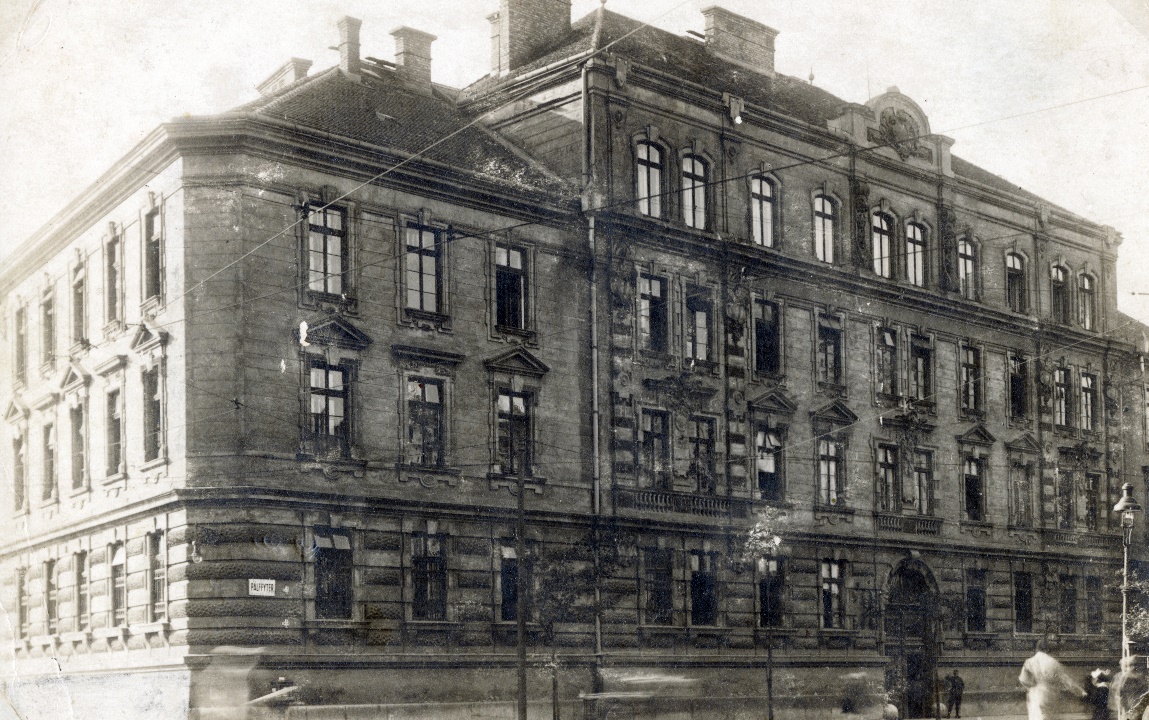
Most of the children who escaped during the air raid returned to the orphanage, but three of them—Izsák Katz, Lajos Mermelstein, and László Neumann—fled to a residential building at 44 Petneházy Street. Soon, at the request of the building's supervisor, Arrow Cross members appeared and took the three young boys to the banks of the Danube. Izsák threw himself into the water before the shots were fired and survived the execution, but eight-year-old Lajos and eleven-year-old László were murdered.
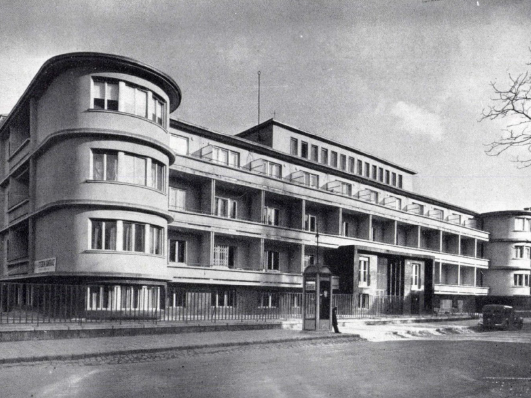
Following the attacks on the Munkácsy Street and Fasor orphanages, many teenagers over the age of 14 had to flee from other shelters as well, fearing they would be targeted next. Sixteen-year-old István Glasner, for example, was hiding in the home at 6 Zoltán Street when “the building supervisor kindly warned me about the impending raid.” Glasner ended up on the street and was soon captured by Arrow Cross members. He was beaten at the party headquarters on Andrássy Avenue, then shot in a side street in Angyalföld. A police officer found the dying boy and took him to the ghetto hospital on Wesselényi Street, where he underwent surgery and ultimately survived the war.
-
-
-
-
Budapest, Paris, Auschwitz. Budapest Jews and the Holocaust in France
-
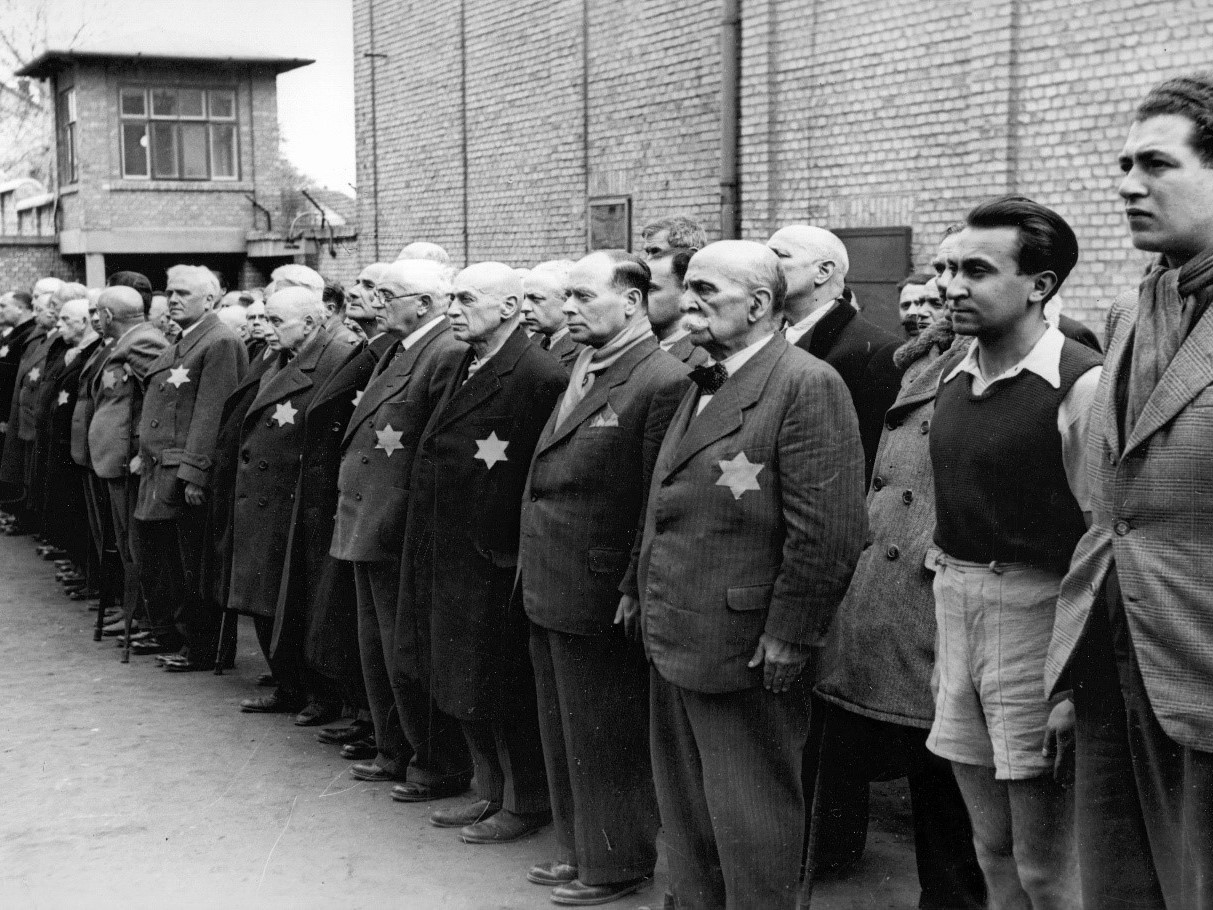
Invasion, Police Raids, Internment. The German Occupation and the Budapest Jews
-
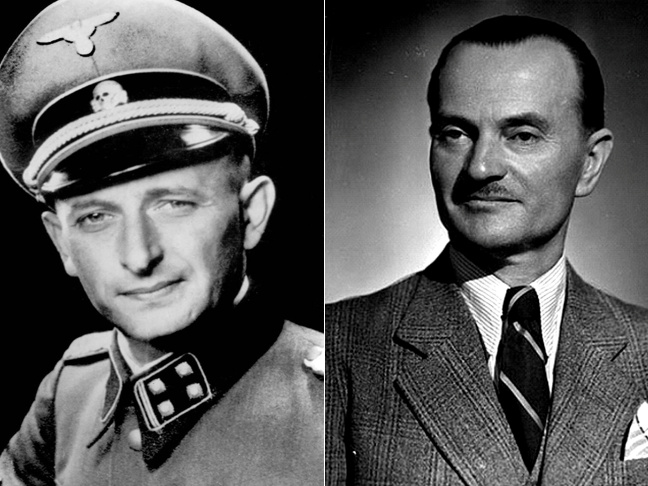
-
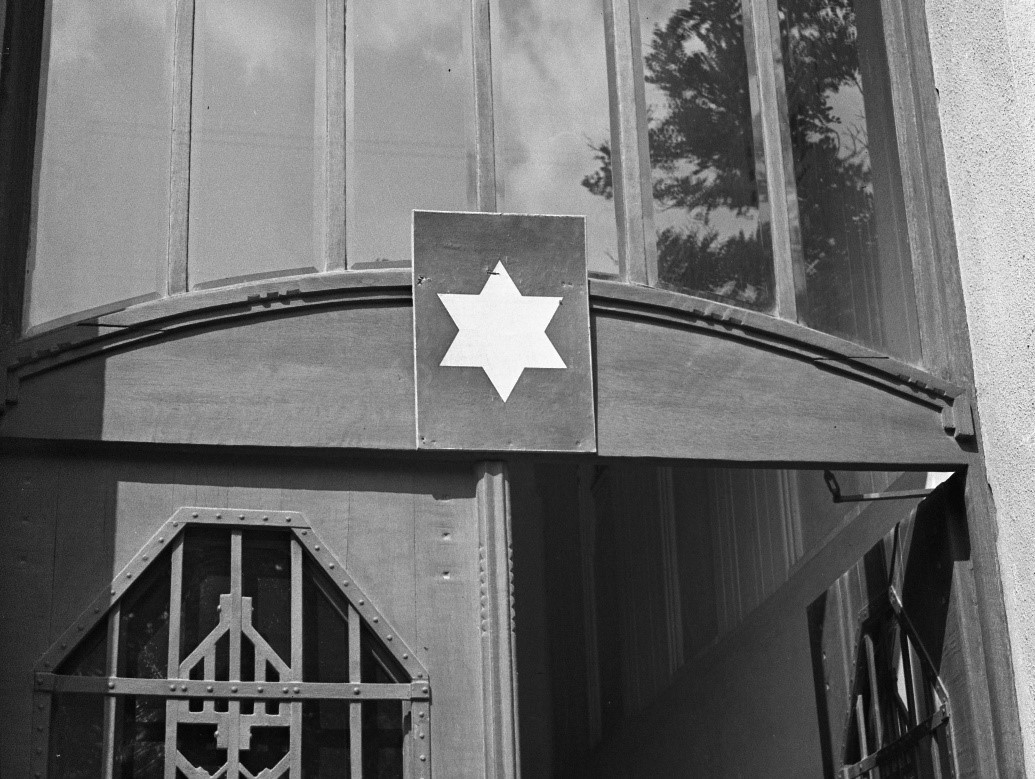
Star-Marked City. The First Ghettoization of the Budapest Jews
-
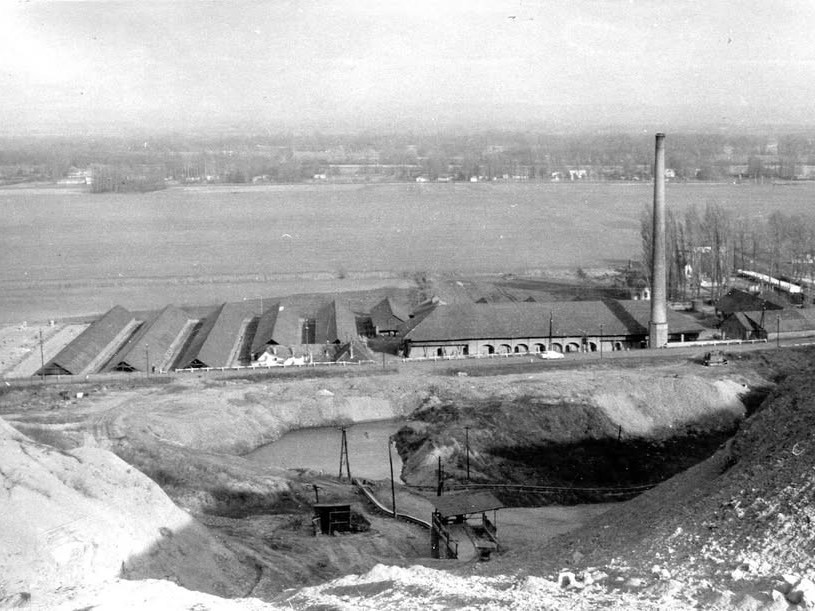
-
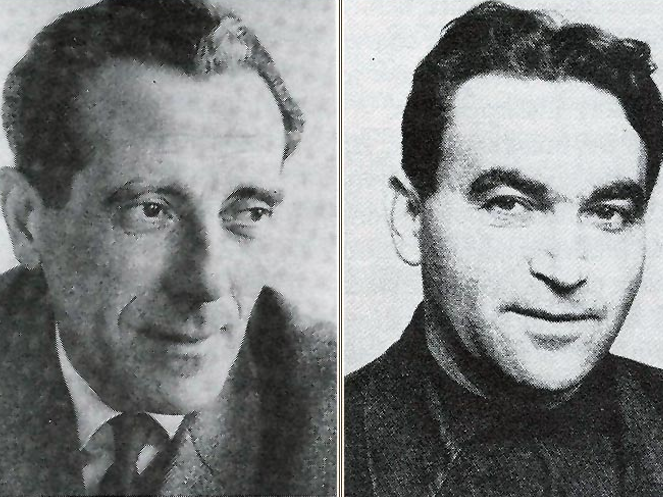
"In Poland, Jews are being gassed and burned." The Suspension of the Deportations
-
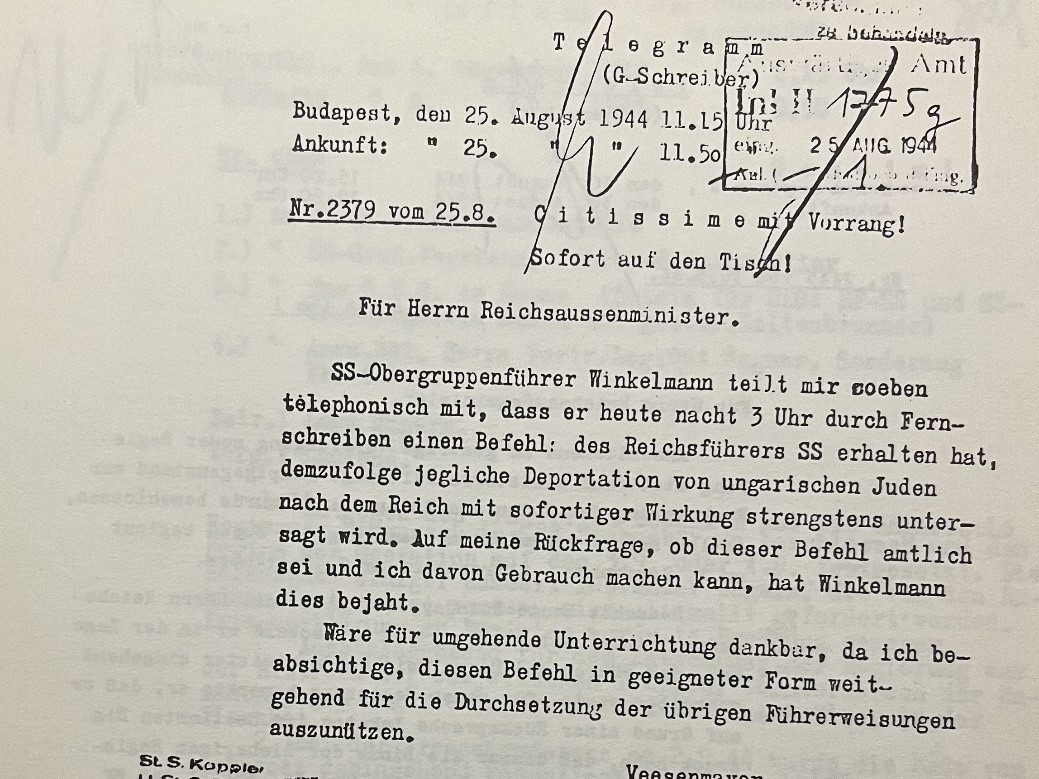
Chips on the Poker Table. The Fate of the Budapest Jews in August 1944
-
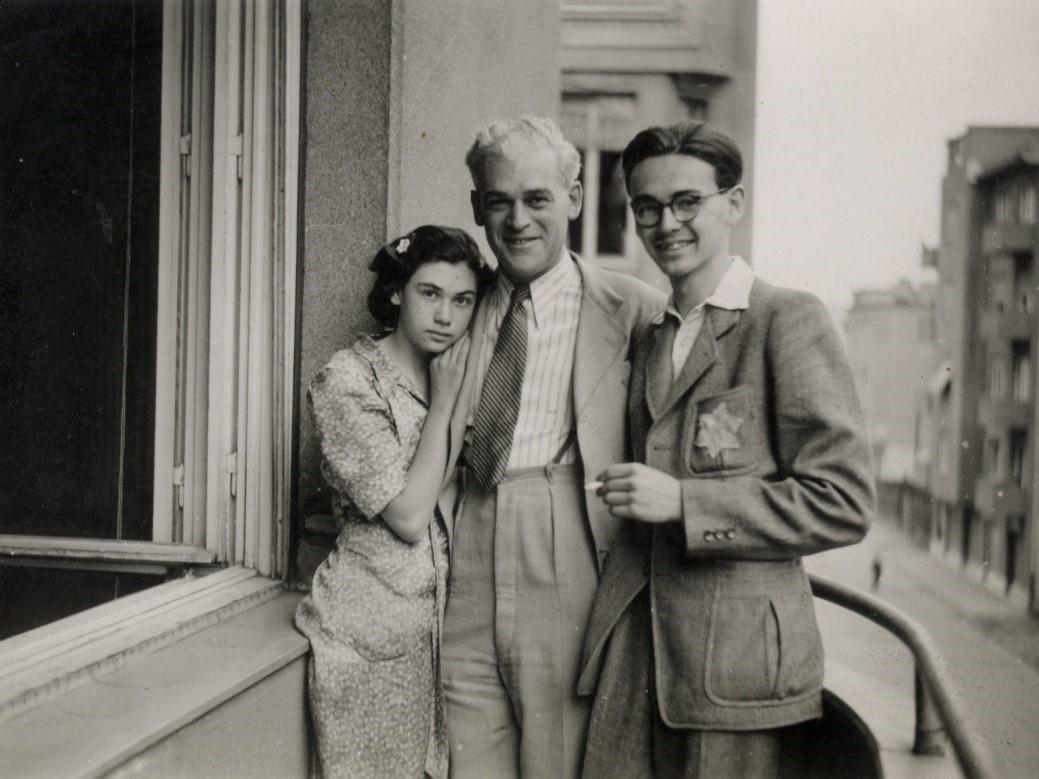
“They are being killed with gas and burned.” What did the Budapest Jews know and what could they do?
-
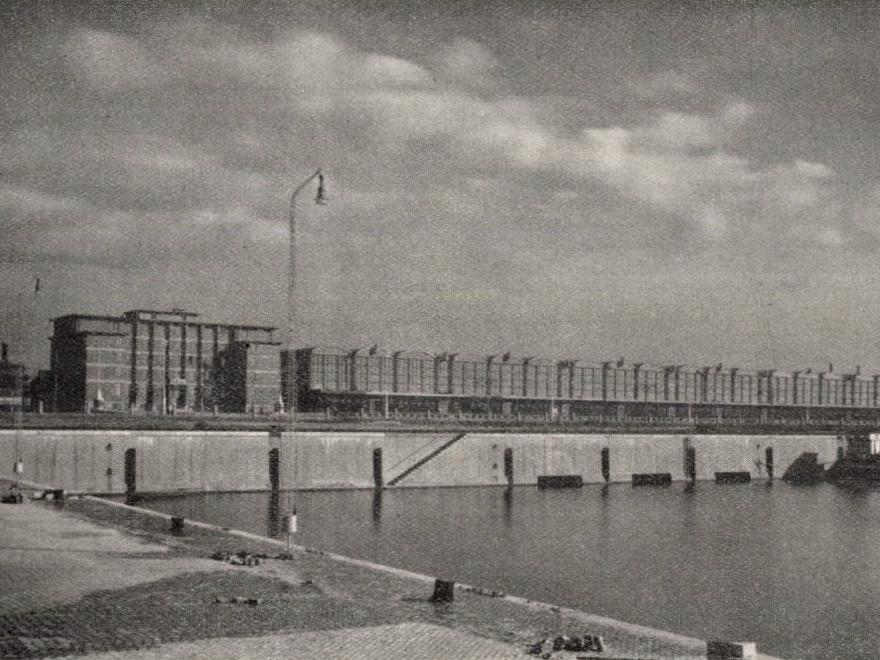
Großaktion Budapest. How would the Jews of Budapest have been Deported?
-
“The Danube was Red with Jewish Blood.” Arrow Cross Murders in Budapest
-
-
Death March, Brick Factory, Slave Labor. The Budapest Deportations in Late 1944
-
Ghetto and Liberation. Jews of Budapest at the End of the War
-
-
To Obey or Resist? Group and Individual Responses to Persecution in Budapest
-
-
Fates in Budapest. The Founder of the Hungarian Pharmaceutical Industry: Gedeon Richter
-
-
Fates in Budapest. The Rosenthal Saga: Forced Labor, Bergen-Belsen and the "Horror Train"