Fates in Budapest. The Poet: Miklós Radnóti
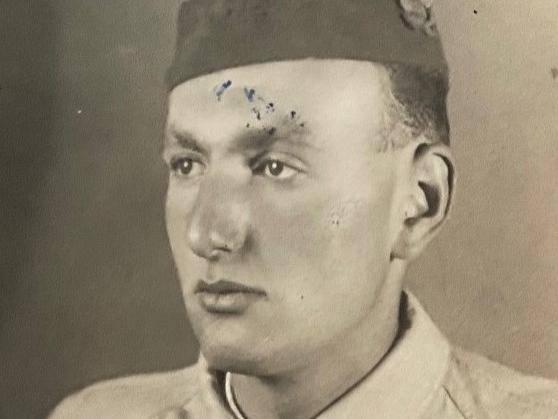
One of Hungary’s greatest poets was executed by Hungarian soldiers on the western border on 9 November 1944.
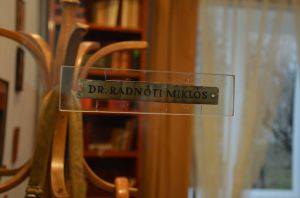
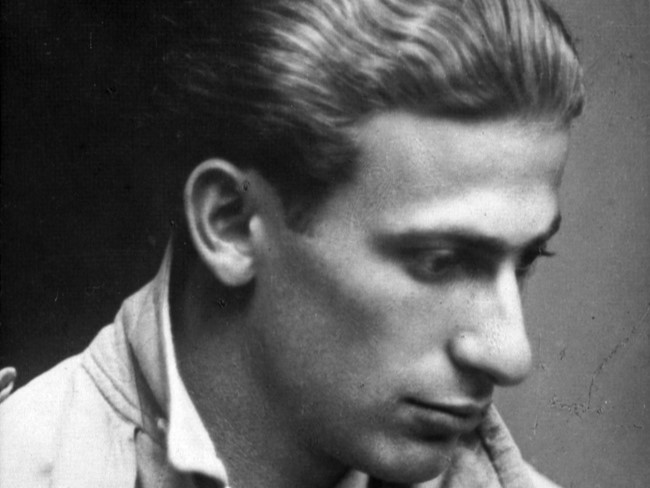
Radnóti was born in Budapest in 1909. His mother died in childbirth, his father died when Miklós was 11. The orphan was raised and educated by his uncle. With a degree from a trade school, he joined his tutor's company, but his only real interest was poetry. From 1930 he studied Hungarian and French at the University of Szeged. He incurred the wrath of the authorities with a poem in his first volume: he was tried for blasphemy. He avoided prison only through the intercession of his influential teacher and patron, Sándor Sík, but he was not allowed to become a teacher. After graduating from university, he took up a career as a poet and literary translator.
In the increasingly oppressive, antisemiticatmosphere of the late 1930s and early 1940s, Radnóti - like his fellow outcasts - tried to preserve his dignity, his chosen vocation: he created, wrote, translated. He refused to accept the stigma. “I have never denied my Jewishness, I am still a 'Jew' ...”, he wrote in 1942, “but I do not feel Jewish, I was not brought up to the religion, I do not need it, I do not practise it, I consider the race, the blood clot, the ancient sorrow for the roots of the soil that quivers in the nerves, to be nonsense and not the defining feature of my 'spirituality' and 'poetry' ...My Jewishness is my 'problem of life' because it is made so by circumstances, by laws, by the world. A problem of necessity. Otherwise, I am a Hungarian poet,...and I don't care... what the prime minister of the day thinks about it...They can disown me, they can accept me, my 'nation' doesn't shout from the bookshelf that I am a stinking Jew, the landscapes of my homeland open up before me, the bush doesn't tear at me more than at others, the tree doesn't prance so that I can't reach its fruit. If I were to experience such things, I would kill myself, for I cannot live any other way than I live, nor believe any other way, nor think any other way.”
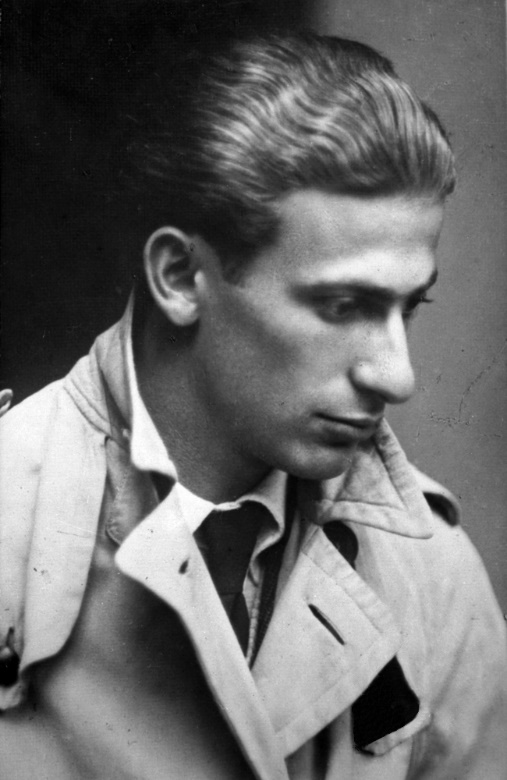
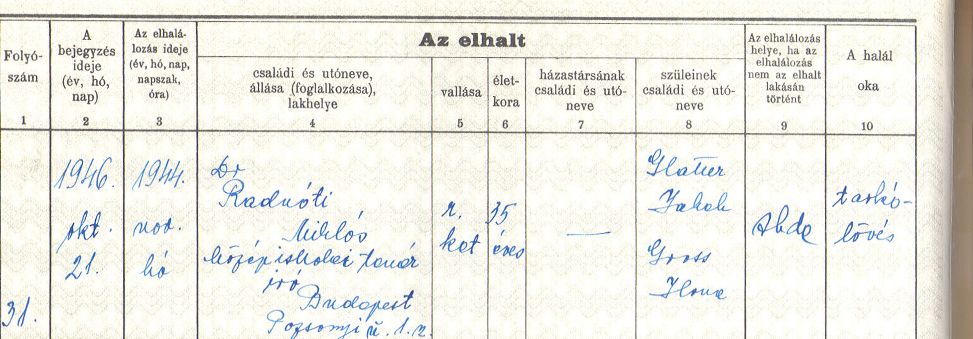
The first group of the Bor labor servicemen were driventowards Hungary in a foot march. The prisoners were beaten and many were shot. "Fool, who, falling to the ground, rises and walks again,/ and moves his ankles and knees like wandering pain", Radnóti wrote in his notebook, which he still has with him. On the night of 7 October, SS troops shot dead hundreds of labor servicemen at Crvenka, Serbia. Radnóti was not among them, and he escaped death in the subsequent massacre in Sivac. His comrade, the violinist Miklós Lorsi, was executed here. Radnóti’s last poem was probably inspired by this: “I fell next to him, his body flipped over/and it was tense like a string ready to bust./A shot in the head. – That’s your end too –/I whispered to myself, - just lay in the dust./Patience blossoms death now./Then I overhear: “Der Springt noch auf” – a voice over me./ Mud mixed with blood dried up on my ear.”The poem proved prophetic. On reaching the western border of Hungary, the poet struggled with exhaustion. After a hospital in Győr refused to admit him and some of his companions, he was executed by his guards at Abda on 9 November. The booklet was found after the war, during the exhumation of the victims.
-
-
-
-
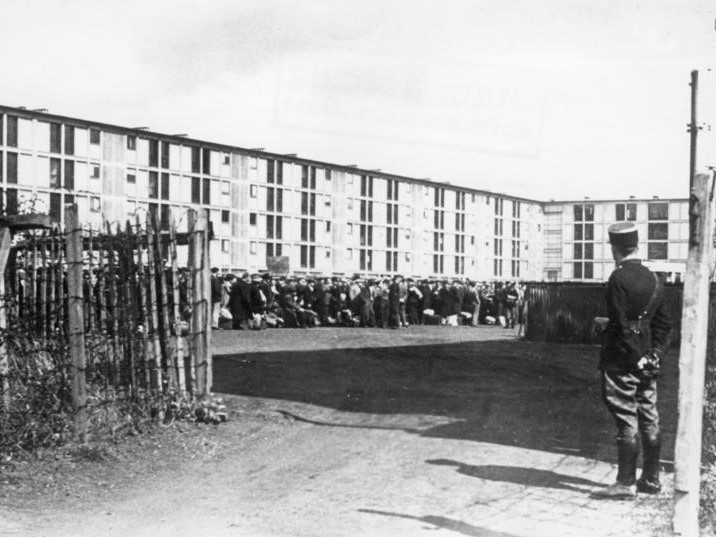
Budapest, Paris, Auschwitz. Budapest Jews and the Holocaust in France
-
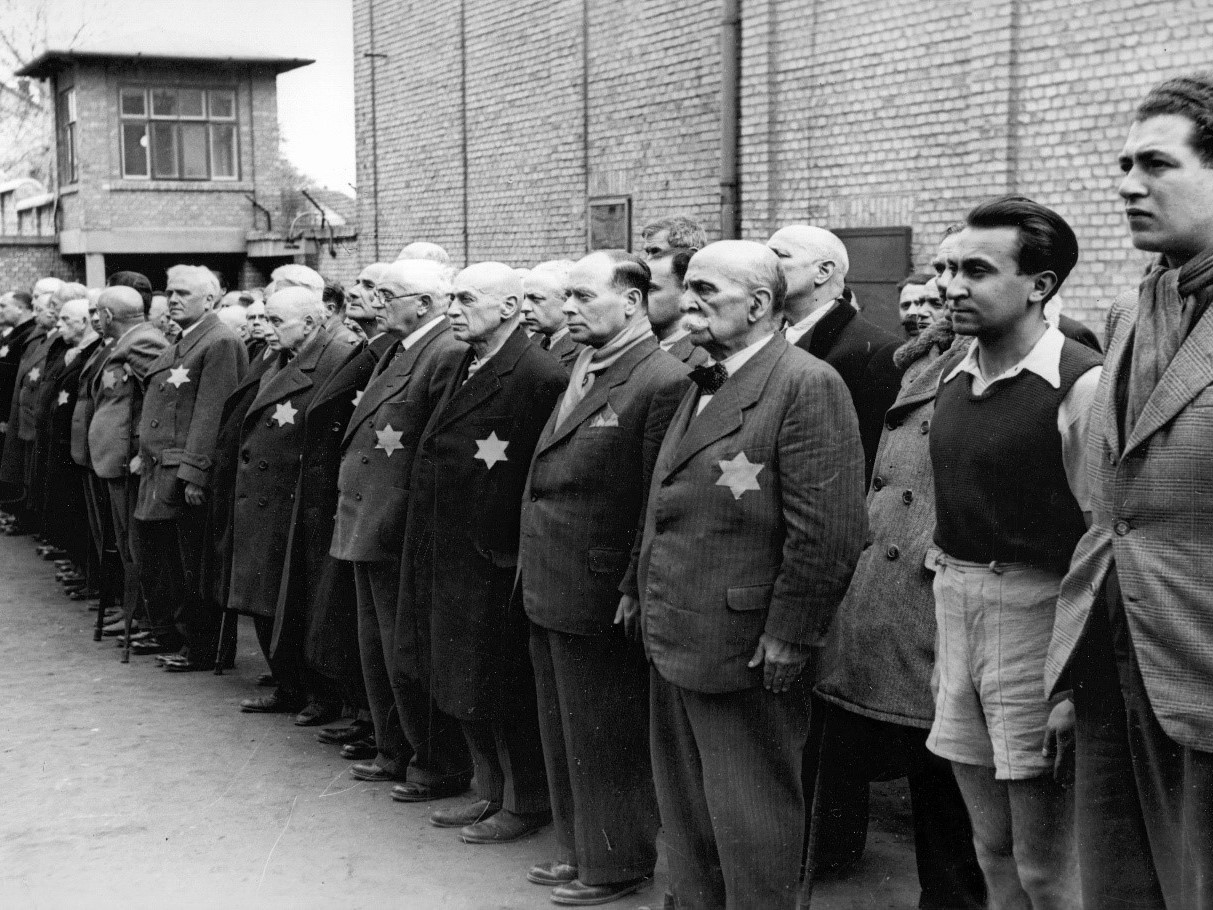
Invasion, Police Raids, Internment. The German Occupation and the Budapest Jews
-
-
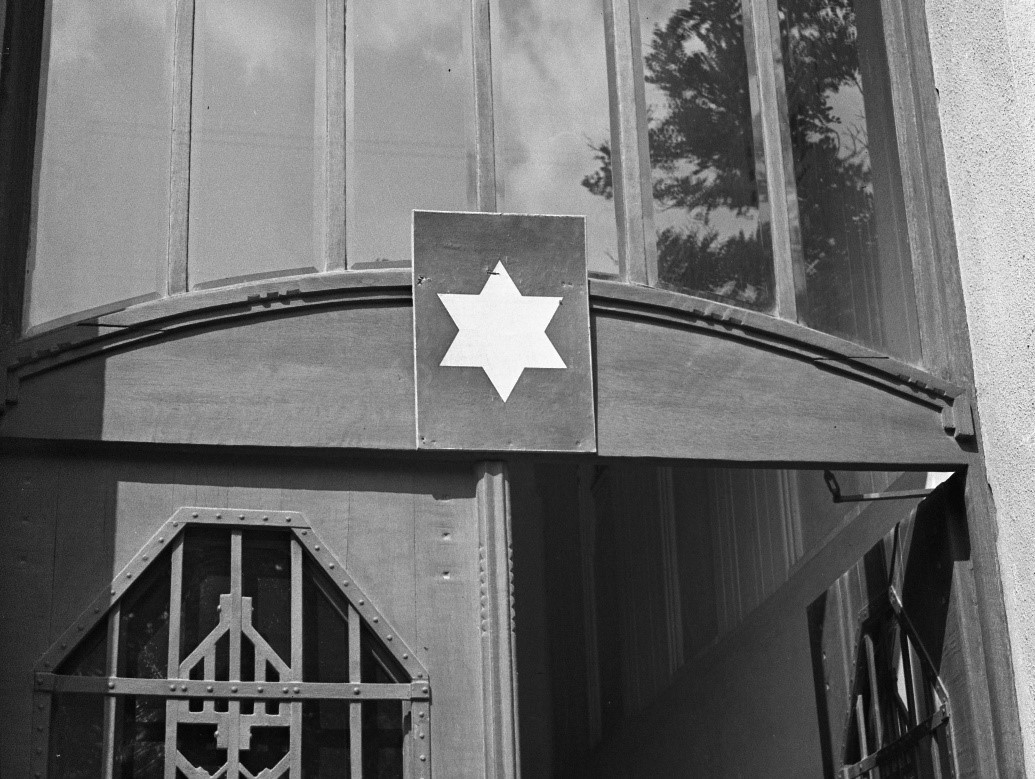
Star-Marked City. The First Ghettoization of the Budapest Jews
-
-
"In Poland, Jews are being gassed and burned." The Suspension of the Deportations
-
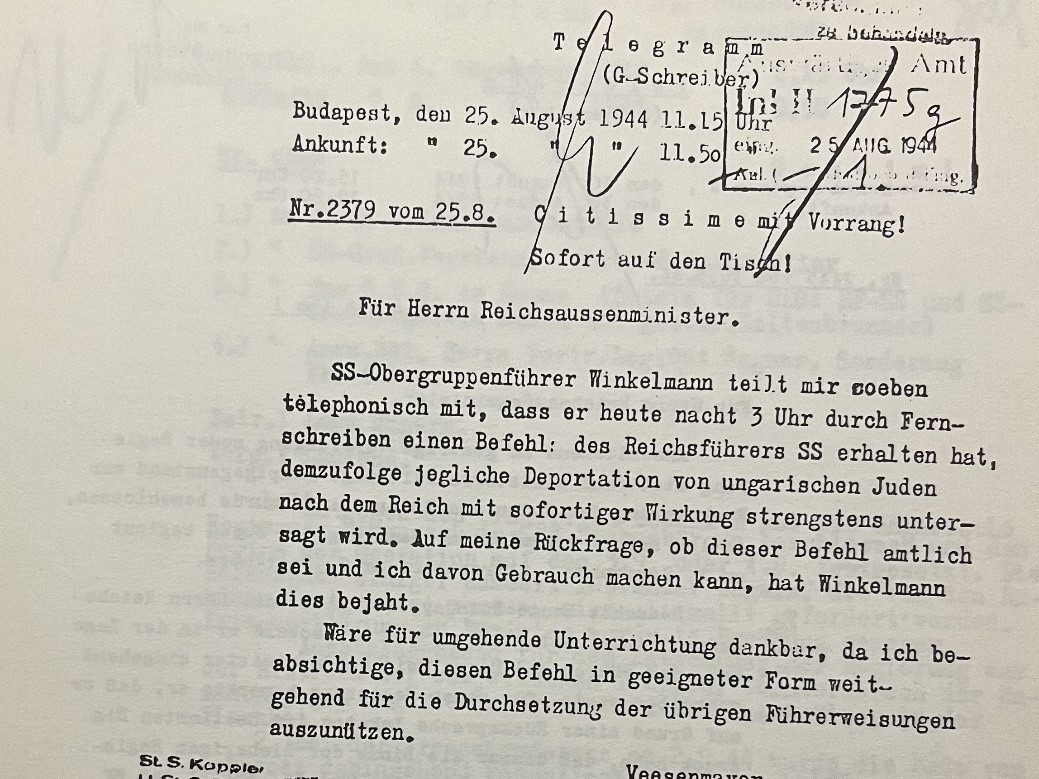
Chips on the Poker Table. The Fate of the Budapest Jews in August 1944
-
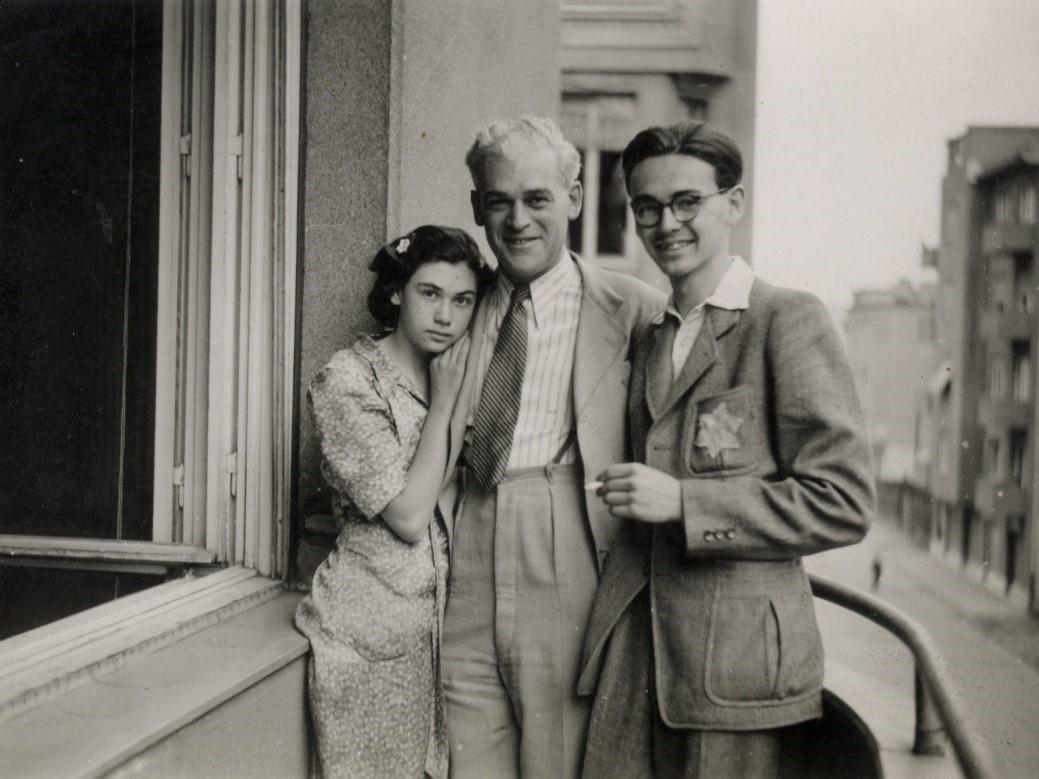
“They are being killed with gas and burned.” What did the Budapest Jews know and what could they do?
-
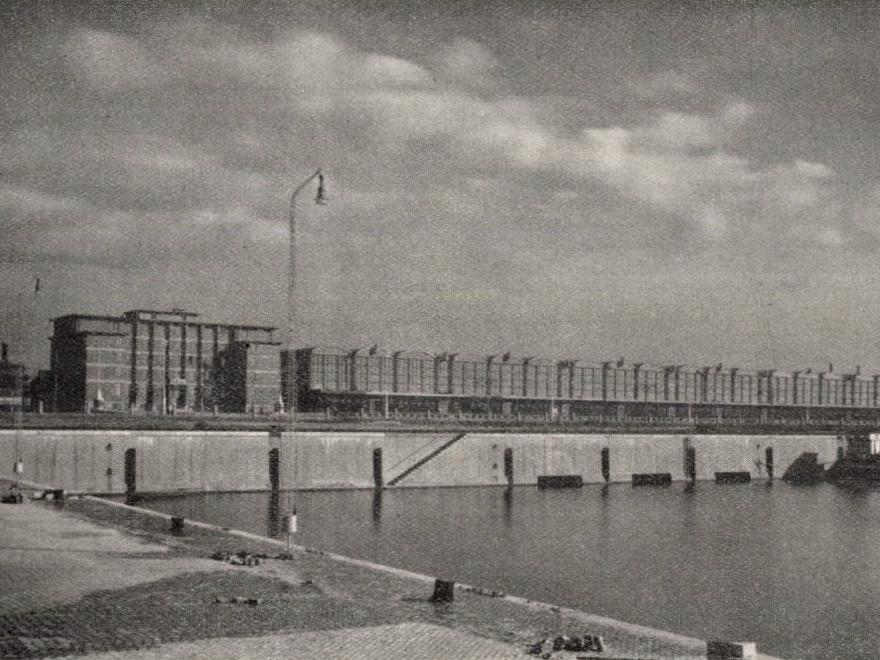
Großaktion Budapest. How would the Jews of Budapest have been Deported?
-
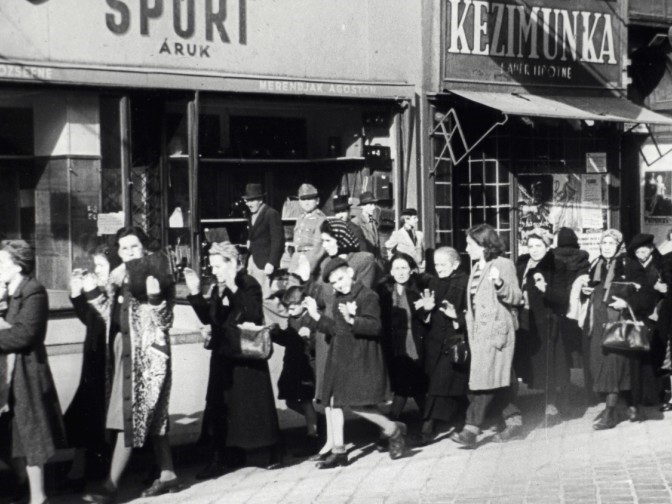
“The Danube was Red with Jewish Blood.” Arrow Cross Murders in Budapest
-
-
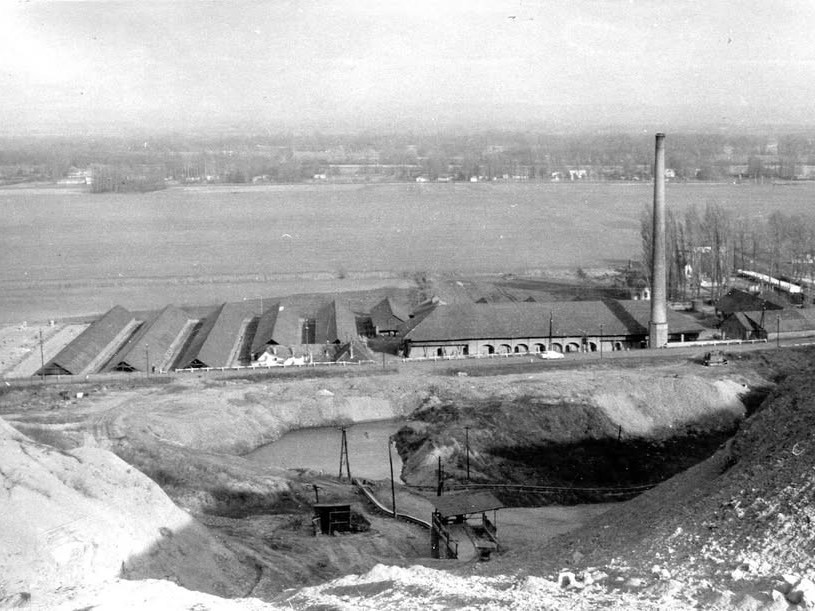
Death March, Brick Factory, Slave Labor. The Budapest Deportations in Late 1944
-
Ghetto and Liberation. Jews of Budapest at the End of the War
-
-
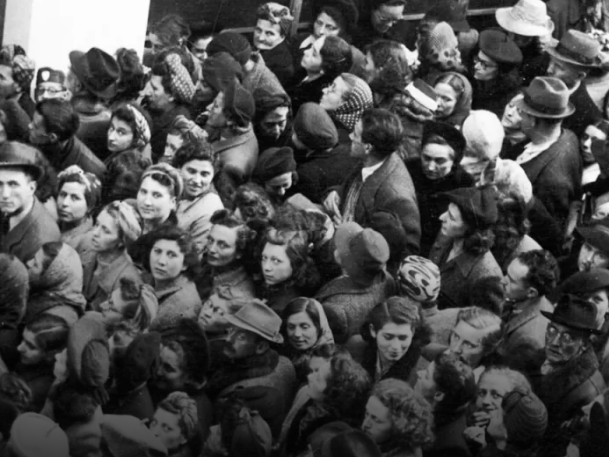
To Obey or Resist? Group and Individual Responses to Persecution in Budapest
-
-
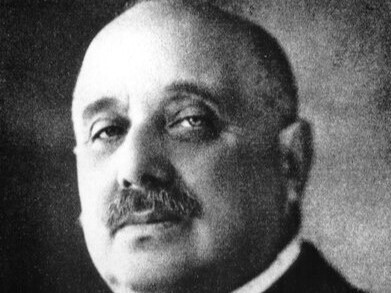
Fates in Budapest. The Founder of the Hungarian Pharmaceutical Industry: Gedeon Richter
-
-
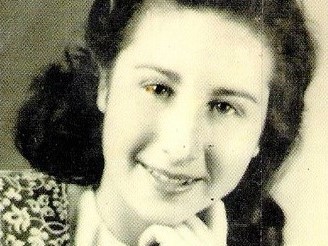
Fates in Budapest. The Rosenthal Saga: Forced Labor, Bergen-Belsen and the "Horror Train"