“They are being killed with gas and burned.” What did the Budapest Jews know and what could they do?
Did the Jews in the capital know what had happened to those in the countryside and that their own deportation was imminent? What and whom could they trust?
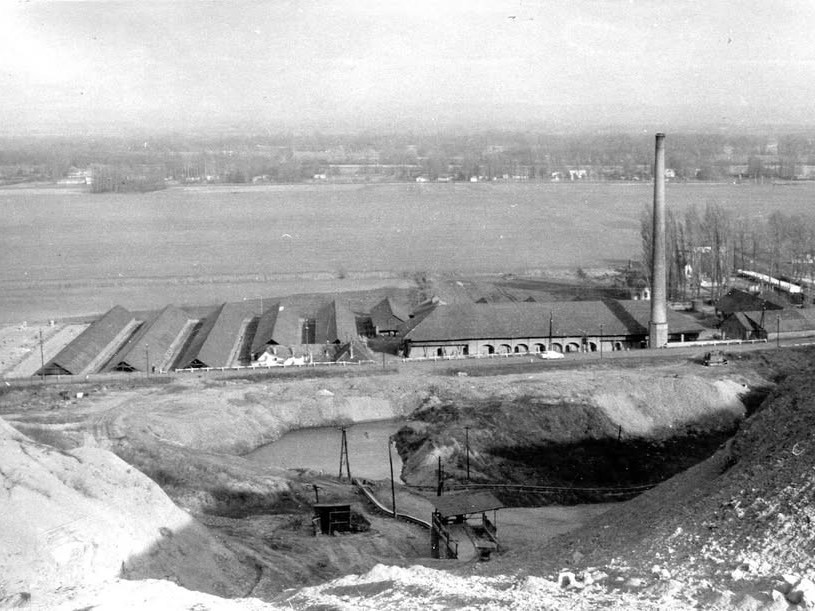
What is certain is that various news of the impending danger did reach many people in Budapest. Some heard of the Auschwitz Protocols from acquaintances working for the Jewish Council. Others listened to the BBC or learned from their Christian friends about the setting up of the ghettos in Kispest and Újpest and the deportation trains leaving the brick factory in Budakalász. Some also received farewell letters thrown out of the cattle cars by relatives and friends from the countryside. Reading the diaries of the time, it also turns out that despite the censorship of the press and letters, more and more people in Budapest became aware of substantiated news.
On May 15, the wife of the poet Miklós Radnóti, Fanni Gyarmati, learned that the Jews imprisoned in the Nagykanizsa internment camp had been "taken out of the country." Ms. Radnóti also had relatively accurate information about the details of the atrocities taking place in the ghettos of Nagyvárad (today: Oradea, Romania) and Ungvár (today: Uzhhorod, Ukraine). 16-year-old Lilla Ecséri recorded already on June 9, at the beginning of the fourth week of deportations, that “rumor has it that unless something miraculous happens, soon we’ll be taken to our death in sealed cattle cars. It has been already done outside of Budapest”. She added in a later post: “Prospects: death or forced labor in Germany.” In her diary on July 23, a little girl from the capital, Éva Weinmann, briefly summarized what had happened to the Jews in the previous months: “In the 5th year of the war, the peril of Europe, Hitler, has arrived. The persecution of Jews has begun here, as in any other European country. Only the good God knows where the others are. They took all my girlfriends … Dear God, spare them from death."
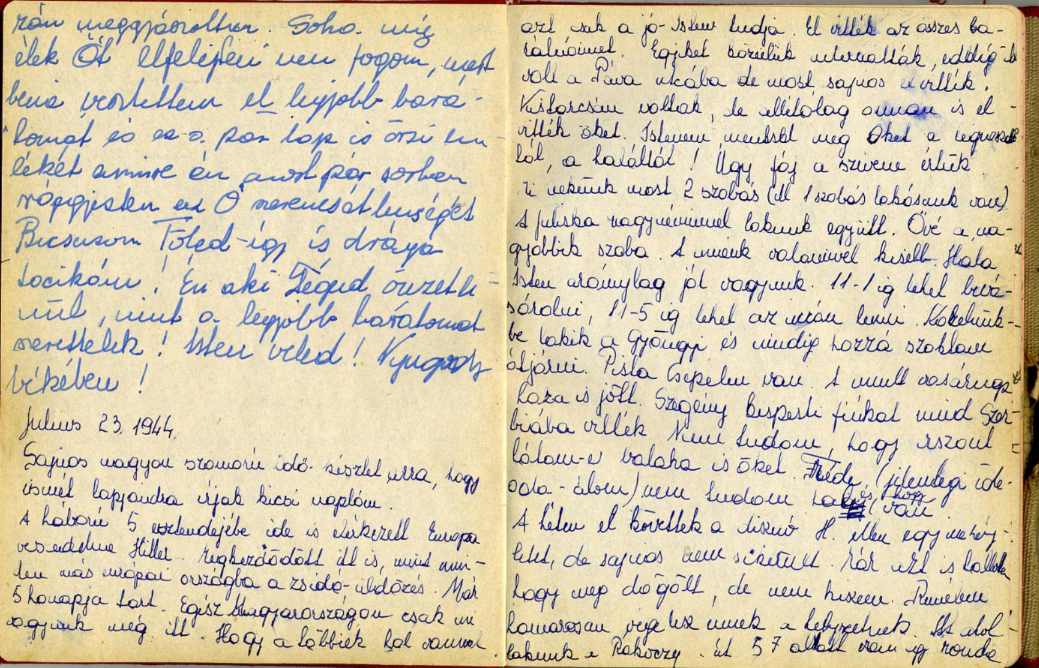
Already in the spring and summer of 1944, many were aware of the fact that the deportees were being killed by the Nazis. The May 18 entry of the diary of GY. S., a law student, is about the general mood of the persecuted: “the pessimist paints the picture of the tragedy of the sealed cars already heading for Germany and the last experience of the gas chamber.” As early as February 1944, 15-year-old Mária Klein recorded that “the Germans had already committed a lot of atrocities, the London radio station always reports where the Jews were taken to camp from, and that there are no more Jews in Poland, they are being killed with gas and burned.” Miksa Fenyő, the founding editor-in-chief of the literary periodical Nyugat, wrote on June 24 that one of the main crimes of the Nazis was “the murder of two million Polish Jews, and I do not know how many millions of Jews were gassed, starved, machine gunned on the edge of grave pits they had been forced to dig themselves.” On August 3, Fenyő, who wrote many hundreds of pages of diary notes during his several months of hiding, explained that the victors must treat the German population kindly after the war because “it is not possible for a hole to be created in the middle of Europe, one such to which Nazis usually machine gun their own victims. (Those who have not been gassed by German science.)”
From mid-August, the impending deportation was an open secret. "The news is becoming more and more definite," Fenyő wrote on the 22nd, "remaining Hungarian Jewry will be handed over to the Germans." The writer Jenő Heltai wrote in his diary already on the 17th that, according to a well-informed close friend, "on the 25th the deportations will start, everyone will be taken away". Six days later, on the 23rd, he added, “yesterday the news of deportation broke with renewed intensity.” Magdolna Gergely also indicated the date in her diary on August 17th: “again, it is said that the deportations will resume on the 25th. And that by the 1st [September] all Jews will have been taken away from Pest, at the request of the Germans.” Another very prolific diarist, mechanical engineer Imre Patai, also wrote about “deportation horror news” that “kept Jews aroused” these days.
Protection, conversion, illegality
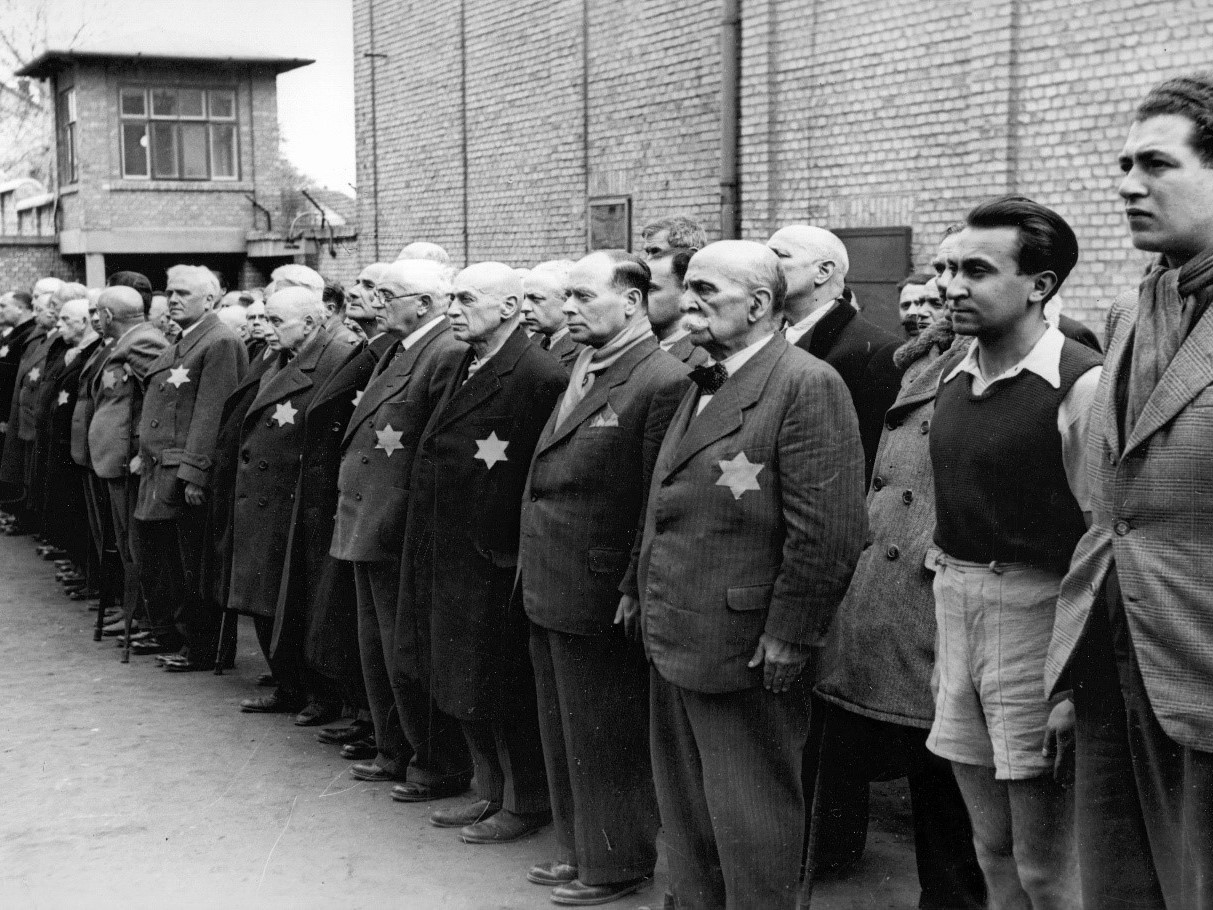
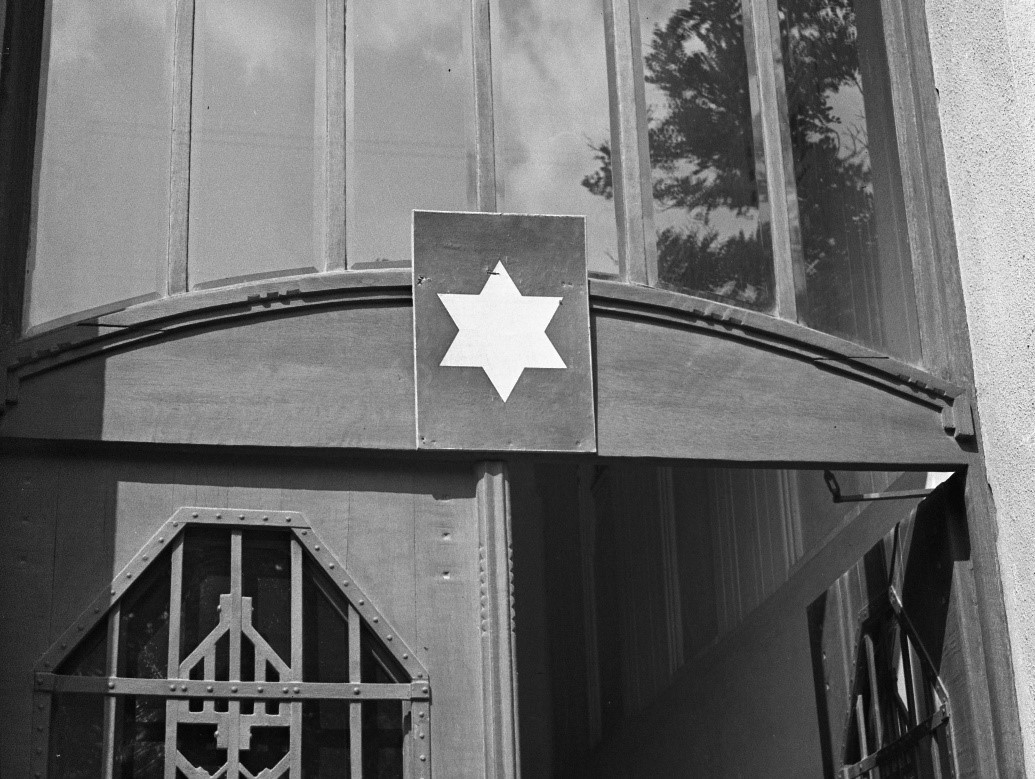
People locked in yellow-star houses had little reason to hope. No protection could be expected from anyone. The not-so-strong prestige of the Jewish Council had been thoroughly battered in previous months. The concentration of the Jewish population in the yellow-star houses in mid-June was a real logistical feat on the part of the leadership. At the same time, no recognition was awarded for it: the Hungarian authorities simply set the deadline and designated the yellow-star houses, but did not care about the details, and left the decisions causing so much grievance to Jewish Council’s Housing Office. The Jewish officials had to decide: who moves where, in what kind of property of what size and who would move into whose apartment. As the families running around for transportation, carrying belongings and furniture, had barely met the Germans or the Hungarian police, everyone scolded the Jewish Council, which soon became the object of public hatred. The atmosphere is well characterized by a contemporary joke in Pest: “Jewish apartment. At night, the doorbell rings, the inhabitants tremble in horror. Who is it? The host asks. Gestapo - sounds the ominous answer. - Thank God. I thought it’s the Jewish Council.”
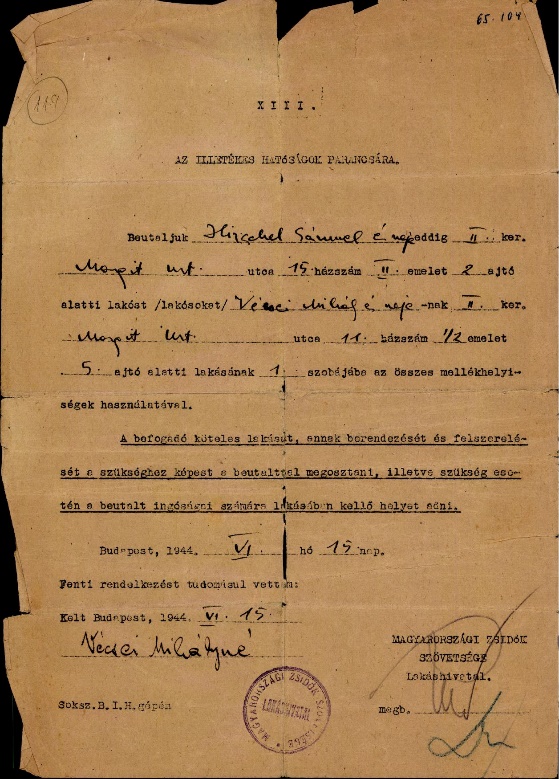
The rescue operations of the diplomatic corps of neutral countries were still in their infancy during the summer. By mid-August, hundreds of people had been granted Swedish protection. The Hungarian authorities instructed the Jewish Council to move together those possessing such protection. To this end, on August 23, the leadership ordered that some of the yellow-star houses on Pozsonyi Road be vacated for the “Swedes”. The move caused general outrage among Jews. Many believed that the physical separation of “privileged” and “ordinary” Jews already served the purpose of deportation. “They are talking about deportation again. The Swedes give them certificates of protection ... They say they can't deport one with this asylum” a pregnant woman, Sándorné Dévényi, wrote in her diary that day. The young woman, who was raising her one-month-old infant and adolescent son alone (in the absence of her husband performing labor service) believed that those who had been Christened before 1941 could soon return home, and those who converted later “will stay in the yellow-star houses, while Jews (i.e., Israelites) be deported.”
The inconsistent action of the Christian churches had a similar effect. Under pressure from the Catholic and Protestant leadership, in mid-July, the government set up a special “Christian Jewish Council” to protect the interests of converts. In return, the clergy did not speak out publicly against the persecution of the Jews. Although Christian Jews were also taken away en masse in the countryside, it seemed to many in the capital that the certificate of baptism would provide some protection. Therefore, thousands tried to convert or obtain forged papers. The idea of relocating Christian Jews soon arose. This again suggested to the majority of the Jews (Israelites) in the capital that they would soon be deported.
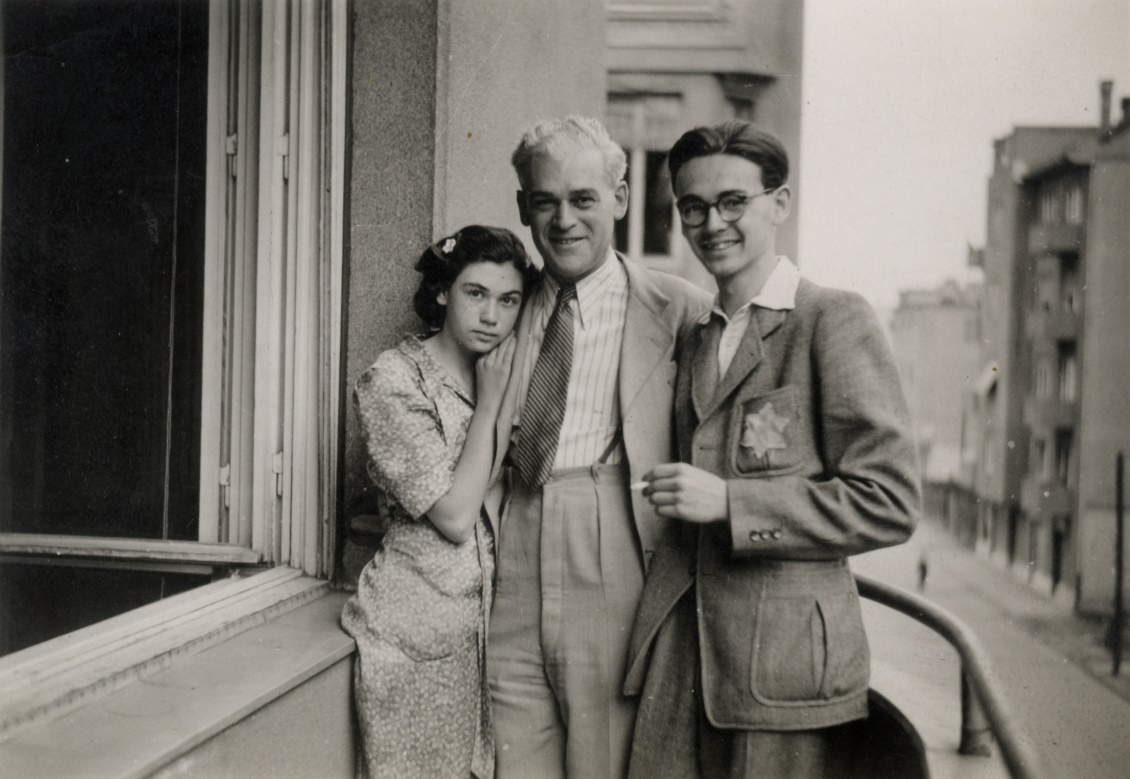
The traditional trust in the Hungarian state and its main symbol, Regent Horthy, was eroded by the brutal deportation of the countryside Jewish communities. Yet, for the few selected, the last ray of hope was the August 22 issue of the Regent’s Exemption Order. According to this, Horthy exempted individuals who had earned outstanding merits in “science, art, or economics” from the anti-Jewish measures. Miksa Fenyő’s diary entry on August 22 reflected the opinions of many: “I am not happy with this decree. Nor am I happy with the news that some decree is being prepared for the converts, because that means the rest are vogelfrei. Hitler's booty”.
"Today, a Jewish thrill of joy."
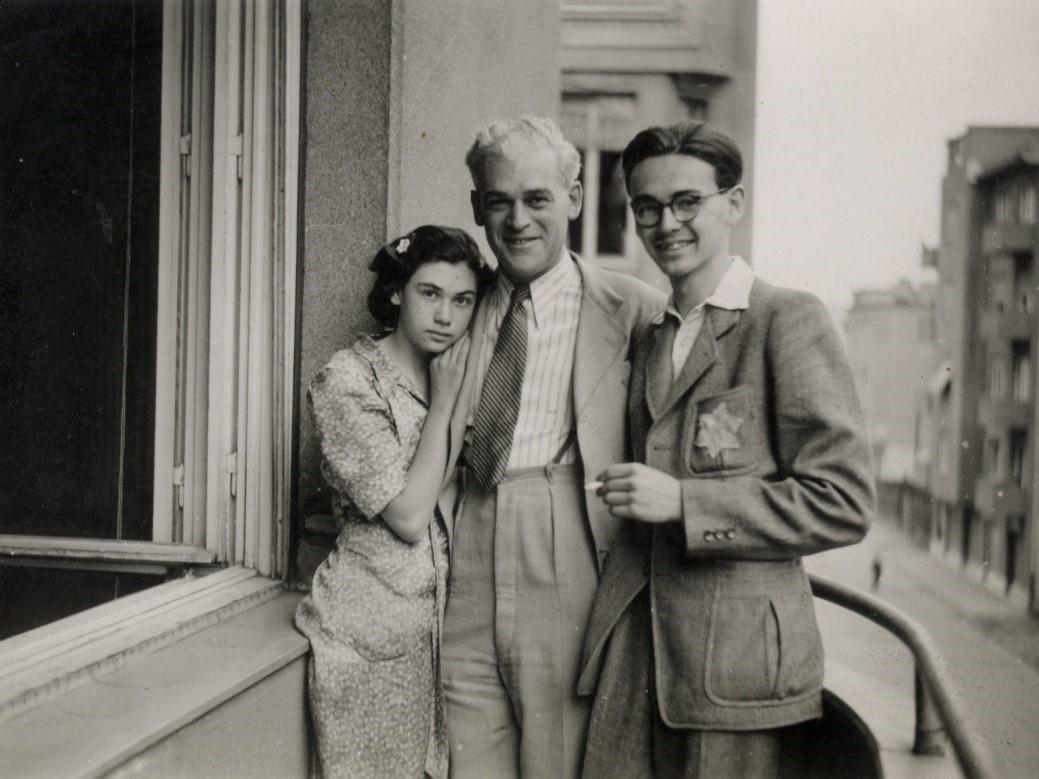
To make things worse, on August 18, a heat wave hit Budapest. The nerves tensed in the yellow-star houses. Discipline was becoming increasingly difficult to maintain. The Jewish Council experimented with setting up a system that would have delegated a person directly reporting to the Council in each building to “supervise compliance with existing provisions and orders”. The delegates had to relay, among other things, the following requests to the Jews: “do not crowd in the doorstep waiting for noon, the designated time of lifting the curfew, and do not rush home at the last moments, raiding the last trams because such scenes can only harm all Jews. … Make sure that no one inside the house violates the sensitivities of the Christian residents of the house. The prominent use of cosmetics by ladies should also be avoided. Ladies should not smoke in the hallways, in the stairwell”. In the Magyarországi Zsidók Lapja, its periodical under close German-Hungarian censorship, the Council called on Jews not to “buy any rumors [i.e., information about deportations] and, above all, not to spread them. Daily and denominational press should suffice”.
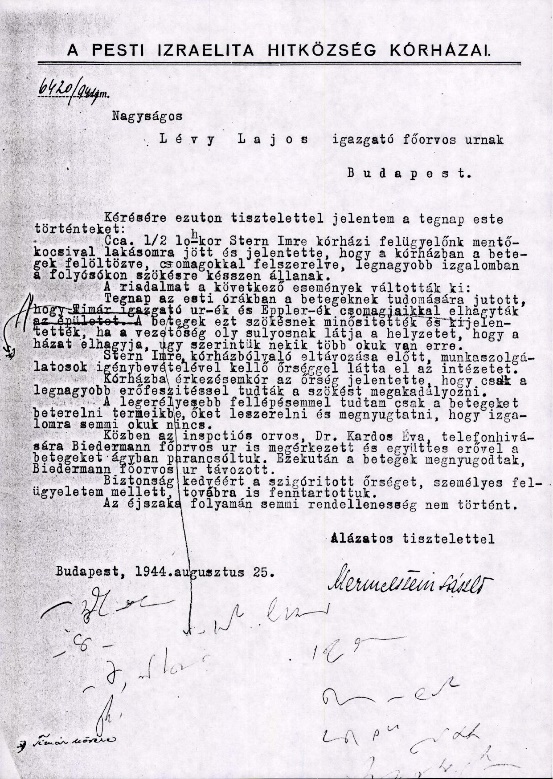
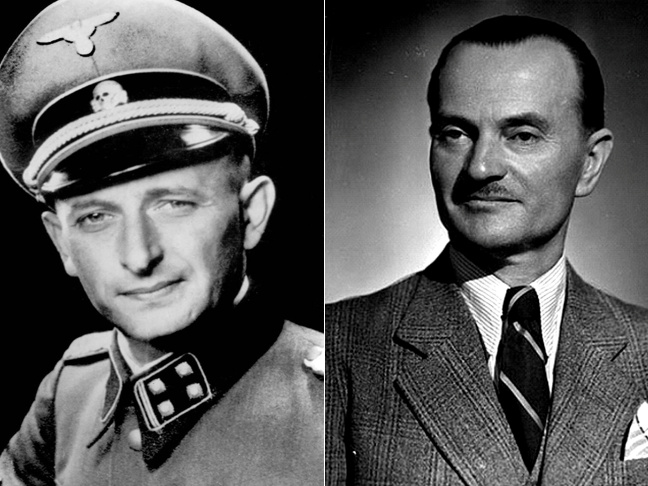
All this was little to reassure those who were (rightly) afraid of deportation. A typical episode was the August 24 outbreak attempt by residents of Bethlen Square Hospital. In the evening, patients rumored that several of the institution’s resident leadership had packed up and left the building. (This was in connection with Eichmann's request for a list of Jewish Council employees these days. The hospital managers were on that list and feared they would be arrested soon, so they tried to hide). Patients panicked. According to a report, they thought that “if the management sees the situation so serious that they are leaving the house, they think they have more reason to do so”. Patients able to walk trampled on each other, trying to break out of the building. Eventually, they were pushed back into the wards by deployed labor servicemen or, according to some sources, armed guards: police or the military.
However, due to the radically new geopolitical situation created by Romania’s leaving the Nazi alliance, Horthy decided not to deport the Budapest Jews. Sunday morning, the 27th, “the warm rays flooded the capital” Munkácsi wrote, “and the Jews of Budapest, when the official time of lifting the daily curfew arrived, they burst out of their prisons, breathed fresh air, rejoiced and marveled that the deportation had not begun, they remained here and were alive.” Heltai, who was prone to bitter remarks (and safe as a person protected by the Regent), simply wrote, "Today, a Jewish thrill of joy."
-
-
-
-
Budapest, Paris, Auschwitz. Budapest Jews and the Holocaust in France
-
Invasion, Police Raids, Internment. The German Occupation and the Budapest Jews
-
-
Star-Marked City. The First Ghettoization of the Budapest Jews
-
-
"In Poland, Jews are being gassed and burned." The Suspension of the Deportations
-
Chips on the Poker Table. The Fate of the Budapest Jews in August 1944
-
“They are being killed with gas and burned.” What did the Budapest Jews know and what could they do?
-
Großaktion Budapest. How would the Jews of Budapest have been Deported?
-
“The Danube was Red with Jewish Blood.” Arrow Cross Murders in Budapest
-
-
Death March, Brick Factory, Slave Labor. The Budapest Deportations in Late 1944
-
Ghetto and Liberation. Jews of Budapest at the End of the War
-
-
To Obey or Resist? Group and Individual Responses to Persecution in Budapest
-
-
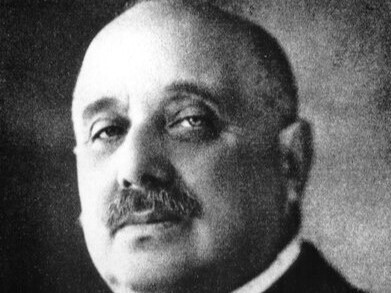
Fates in Budapest. The Founder of the Hungarian Pharmaceutical Industry: Gedeon Richter
-
-
Fates in Budapest. The Rosenthal Saga: Forced Labor, Bergen-Belsen and the "Horror Train"