One City, Three Histories. The Roots of Jewish Budapest
Budapest was born in 1873, when three ancient cities – Buda, Pest, Óbuda – were unified. The Jewish communities of the three ran different trajectories.
Buda
Jews were settled in Buda by the city's founder, King Béla IV around 1250 CE. Their fate and fortune were continuously oscillating. In his religious zeal, King Anjou Louis the Great (1340-1380) expelled the Jews from Hungary (and therefore from Buda as well) for a few years. When it became apparent that the economy would be paralyzed without the Jews, he called them back. Hungarian monarchs relied heavily on Jews in terms of finances. Both Sigismund of Luxembourg (1387-1437) and Matthias Corvinus (1458-1490) levied hefty tributes on Jews most of the time, but also granted protection to them in return. When they saw fit, however, they approved the measures of cities, such as Pozsony (today: Bratislava, Slovakia), Buda, and Nagyszombat (today: Trnava, Slovakia), which ordered Jews to wear distinctive marks (yellow patches, hats, etc.) and refused to repay loans taken from them.
Matthias also created the office of the Jewish Prefect, an institution unique in Europe at the time. The officer, also called the “Jewish Prince” was selected from among the Jews. Until 1526, when the medieval Kingdom of Hungary fell, the office of the prefect was held by the Mendels, the wealthiest Jewish family in Buda. As the representative of the king, they levied and collected taxes. Their direct relationship with the king enabled them to effectively stand up against excessive burdens or the tyranny of landlords and local authorities. They exercised near complete jurisdiction over the Jews; they even maintained their own prison.
When Matthias and his newly wed wife, Beatrix of Aragon, arrived in Buda in December 1476, the delegation of high nobility and urban commoners welcoming the royal couple also included representatives of the Jewish community. The forty-six-man cavalry was led by Jakab Mendel, the prefect himself, carrying a naked sword. The Jewish dignitaries marching in their highly ornate clothing and carrying a flag with a Star of David and Hebrew inscriptions on it, and the baskets full of silver held by the horsemen, demonstrated the wealth and strength of the Jewish community of Buda to foreign visitors. Causing some turmoil, the Jewish alderman tried to get the queen to kiss the decorated shield of the Torah scroll, which she refused in panic. Nevertheless, the costs of the royal wedding were partly covered by the Jewish community. 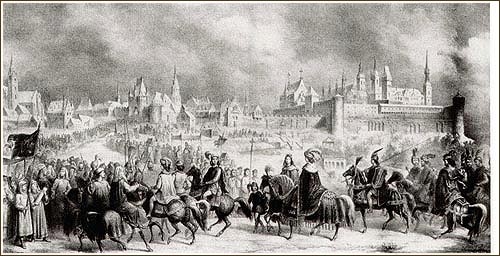
Later, the Ottoman rulers developed the city into a regional center. Jews resettled in the city, which became increasingly multiethnic. Hungarians, Turks, Greeks, Jews, Italians, Southern Slavs, and Roma all lived together inside the city walls, temples of three world religions welcomed believers. Jews had three communities, several synagogues and prayer halls. They numbered around 1,000 souls at the end of the 16th century, which made up about 4-5 percent of the population of Buda at the time. Jews were free to do business and their trade rights were also respected. Remembering the atrocities committed against them under Christian rule, it is no surprise that they defended the town hand in hand with the Ottomans in 1686, when Christian armies were besieging Buda. History proved their assumptions right; the liberation of Buda eliminated their communities. Most were slaughtered by the Christian victors; others were put to slavery. Europe’s Jewish communities had to put up funds for years to come to liberate their fellow Jews.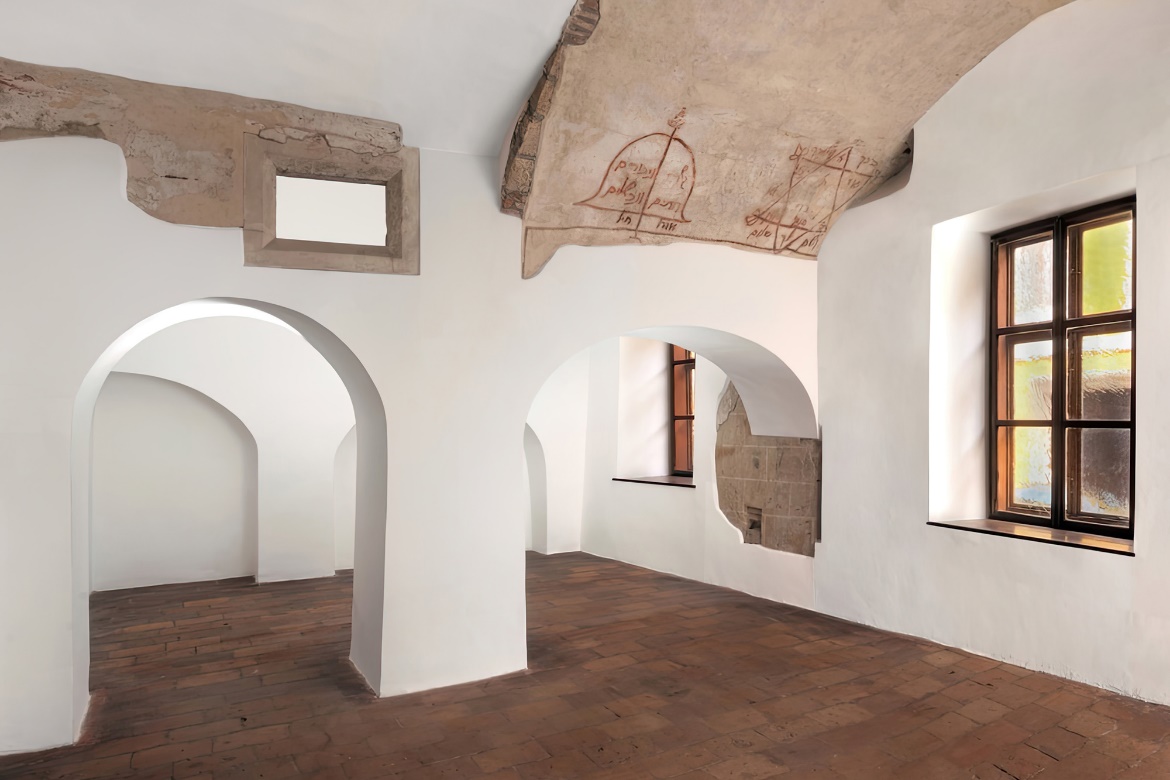
Óbuda
Jews were living in the territory of today’s Óbuda already in Roman times. There is no historical trace of their presence in the subsequent centuries, but in 14th and 15th centuries they created a relatively sizable community here. During the Ottoman rule, they disappeared again and were resettled in the early 18th century. The Óbuda Jews became a typical example of Jewish communities developing under the protection of a feudal landlord. Here, the land of the Zichy family attracted Jews from the Czech and Moravian regions. By the end of the 18th century, the Jewish inhabitants of the town numbered 2000, making the Óbuda community one of the largest in the country. During the 19th century, Jewish entrepreneurs (the Goldberger, Spitzer, and Freudiger families) turned the city into a regional hub of the textile industry.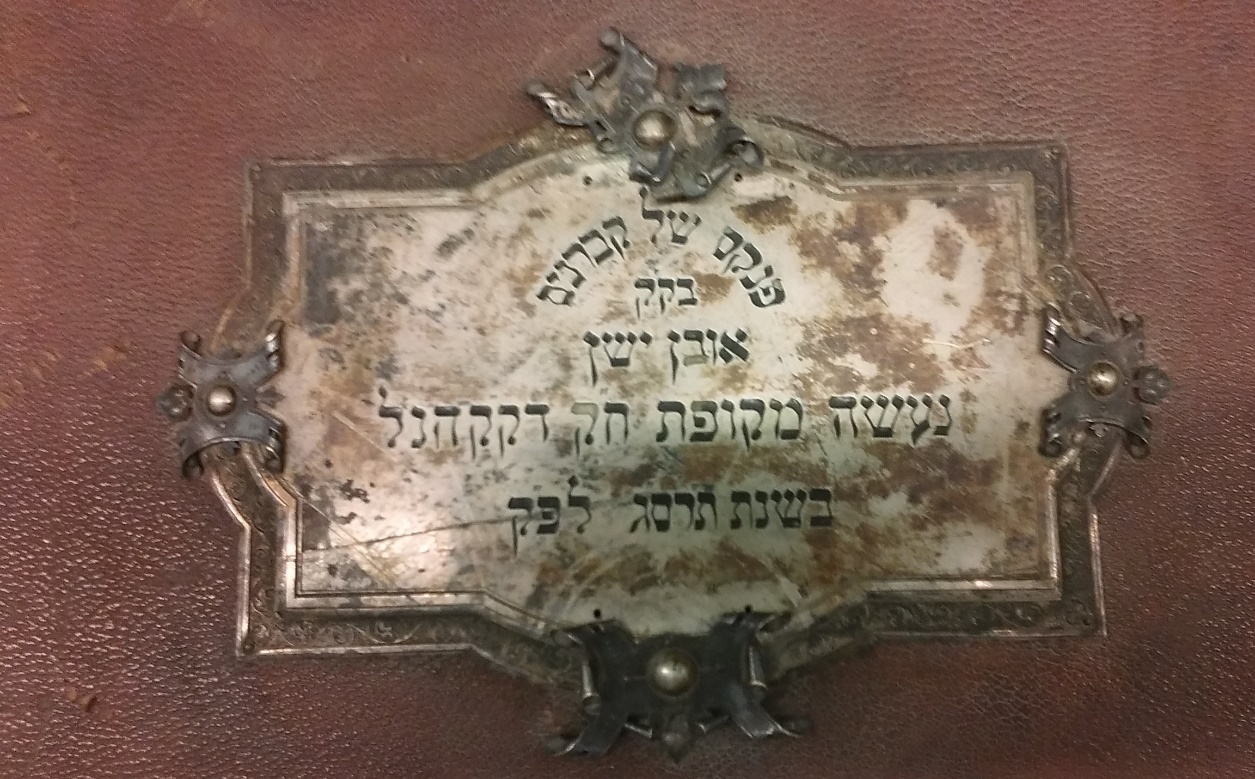
The 19th-century population decline was the result of the Jews of Óbuda moving to Pest.
Pest
The city of Pest successfully hindered the settling of Jews within its walls until the second half of the 18th century. The resistance was finally broken by the order of Emperor Joseph II. Most of the Jews settling in Pest came from Óbuda. Many of the Pest Jews supported the anti-Habsburg revolution and freedom fight in 1848-49 despite the fact that in March-April 1848, in the wake of the revolution, serious anti-Jewish pogroms shook the city.
Jewish shops were ransacked, Jewish citizens were beaten in the streets, and a petition was submitted to the government demanding that Jews who had settled in Pest without permission be expelled and that Jewish national guards be disarmed. Outraged, one of the figureheads of the anti-Habsburg revolution, Minister of Finance Lajos Kossuth wanted to fire cannons at the antisemitic mob, but his fellow ministers voted him down. Prime Minister Lajos Batthyány tried to calm the crowd with a speech, but he was booed. Order was finally restored by the army. It was characteristic of the government's weakness that a few days later, Jewish members of the newly created revolutionary force, the national guards, were disarmed. The newspaper Budapesti Híradó rightly lamented: "Fate has decreed that the days of Hungary's rebirth should not be recorded in the annals of this nation without blemish: our freedom has been tainted, and in the most shameful manner."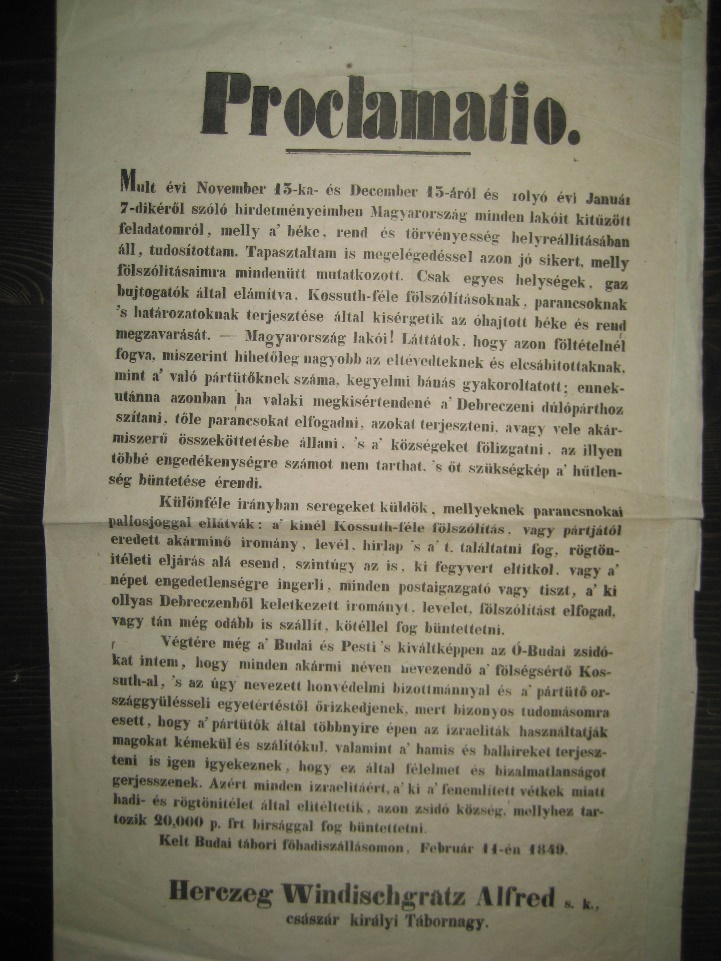
-
-
-
-
Budapest, Paris, Auschwitz. Budapest Jews and the Holocaust in France
-
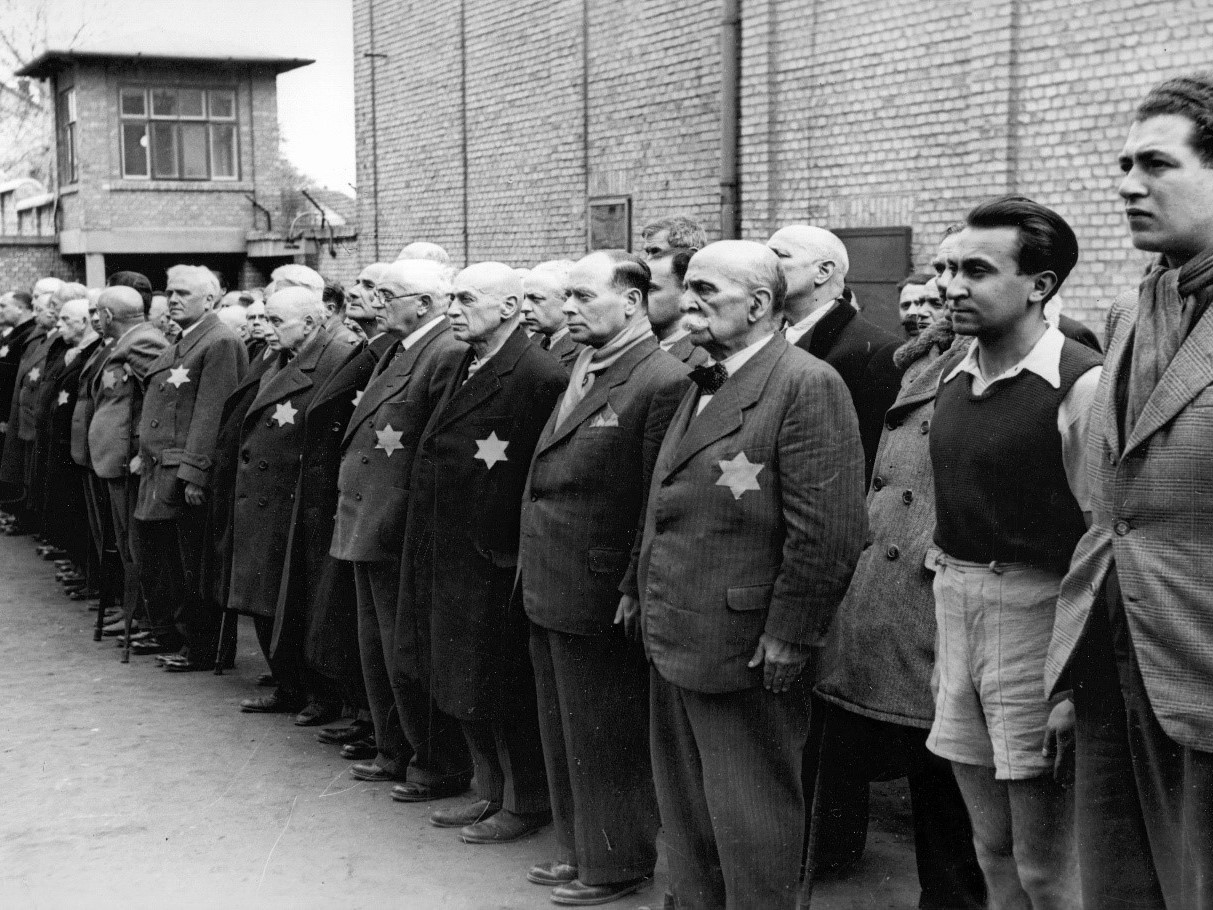
Invasion, Police Raids, Internment. The German Occupation and the Budapest Jews
-
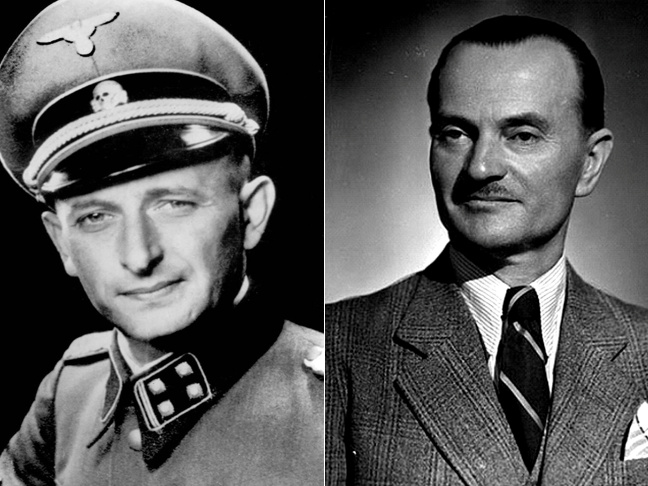
-
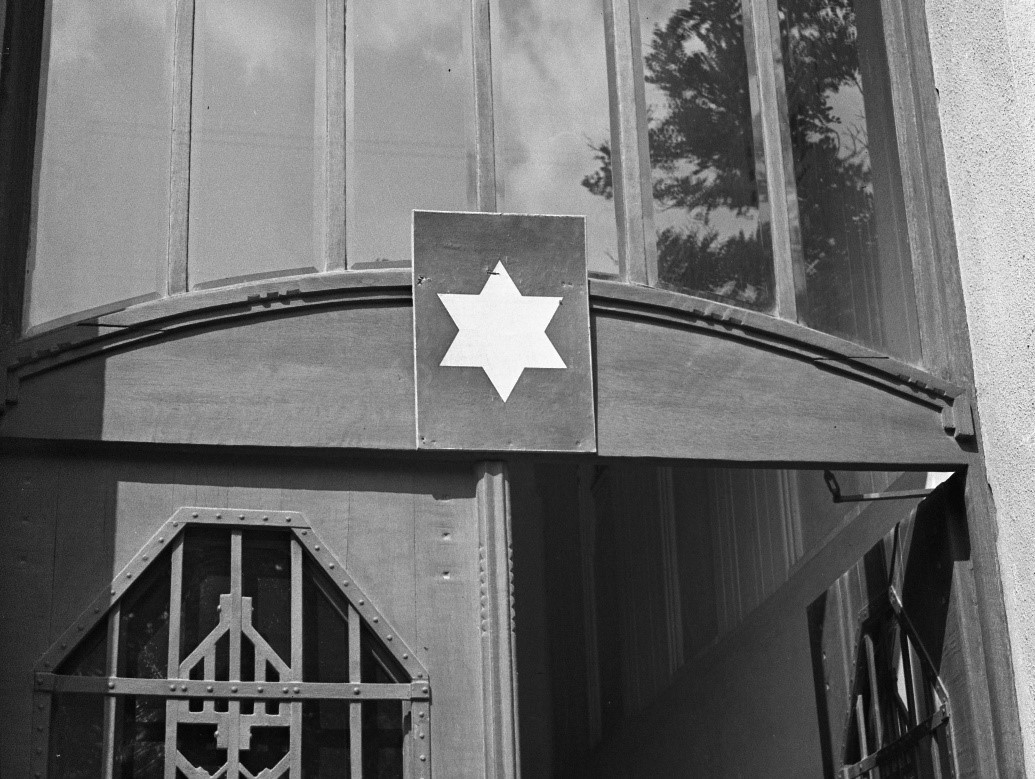
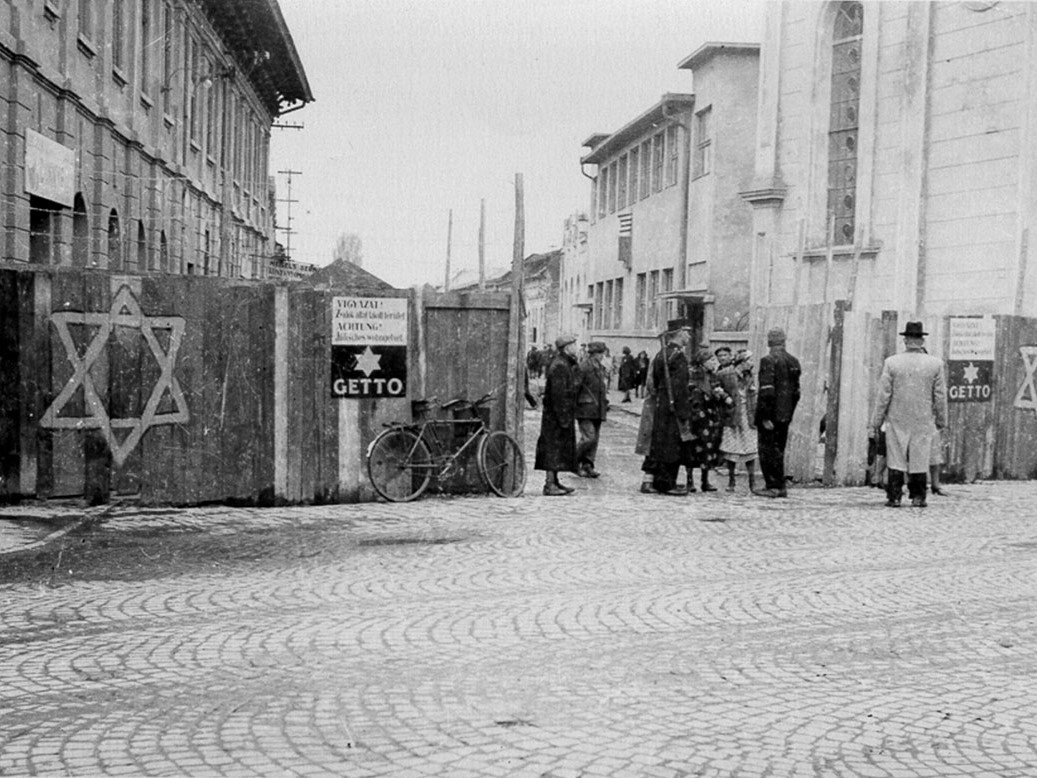
Star-Marked City. The First Ghettoization of the Budapest Jews
-
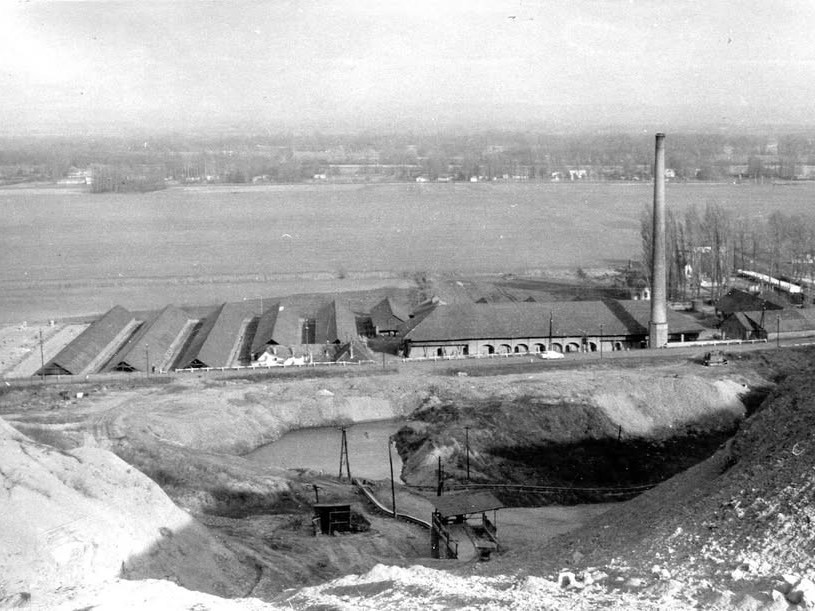
-
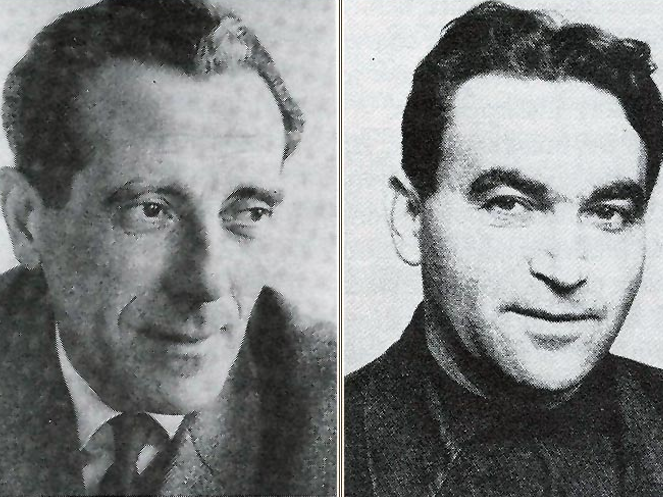
"In Poland, Jews are being gassed and burned." The Suspension of the Deportations
-
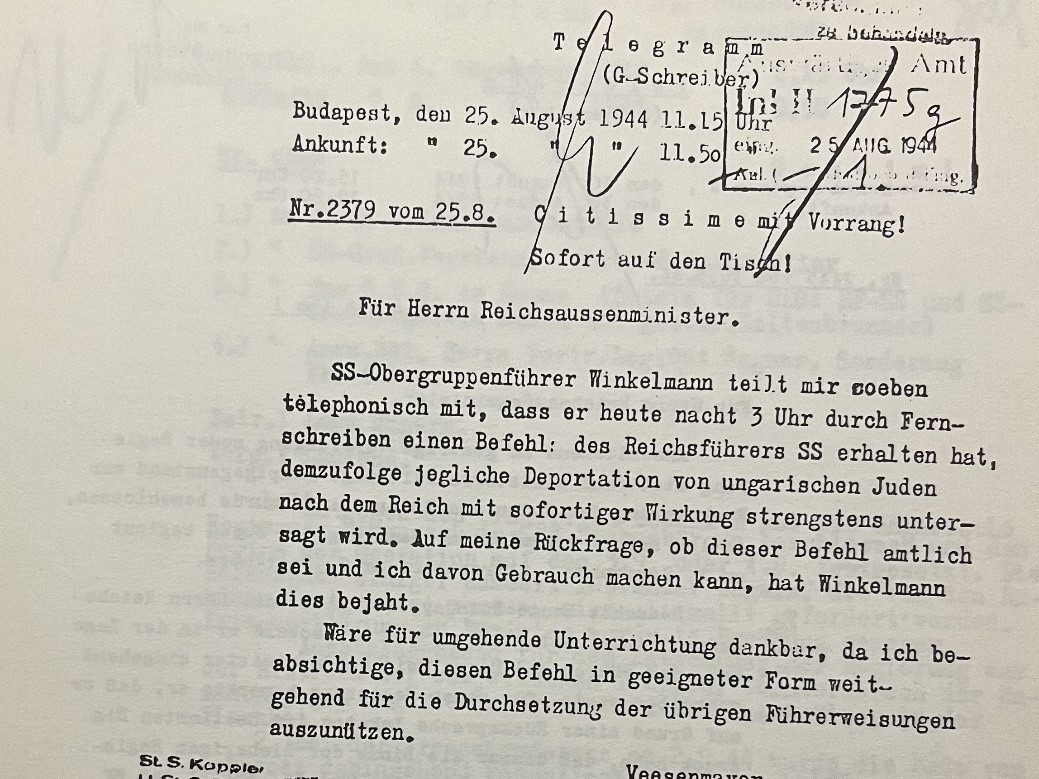
Chips on the Poker Table. The Fate of the Budapest Jews in August 1944
-
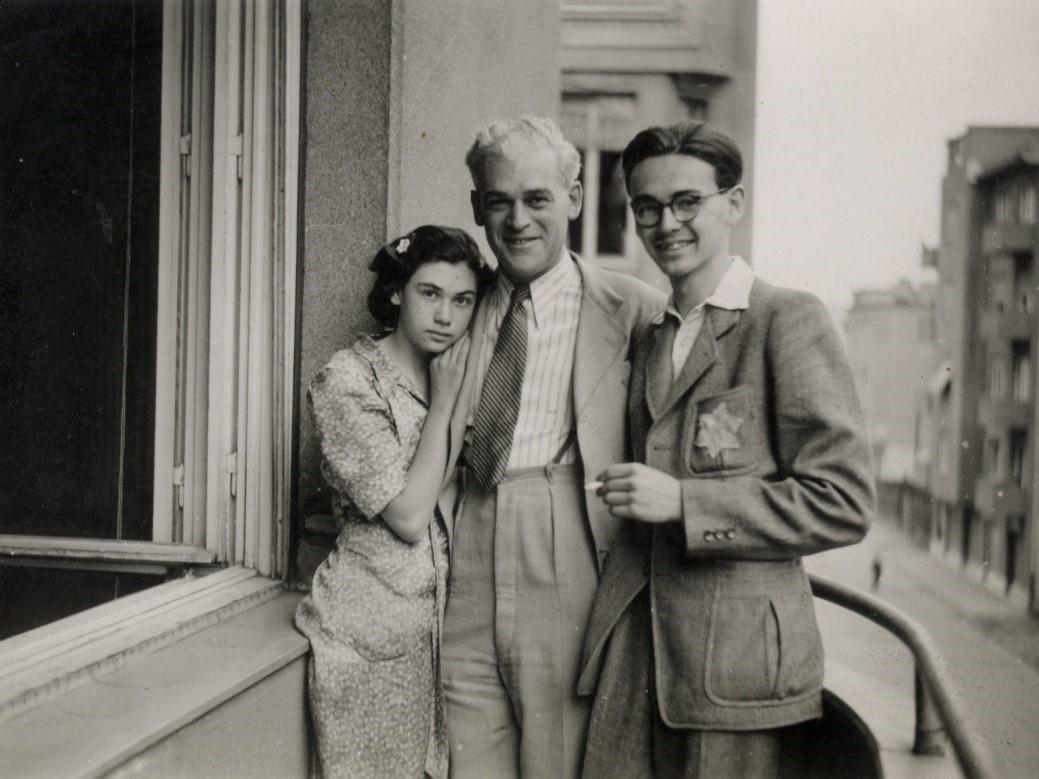
“They are being killed with gas and burned.” What did the Budapest Jews know and what could they do?
-
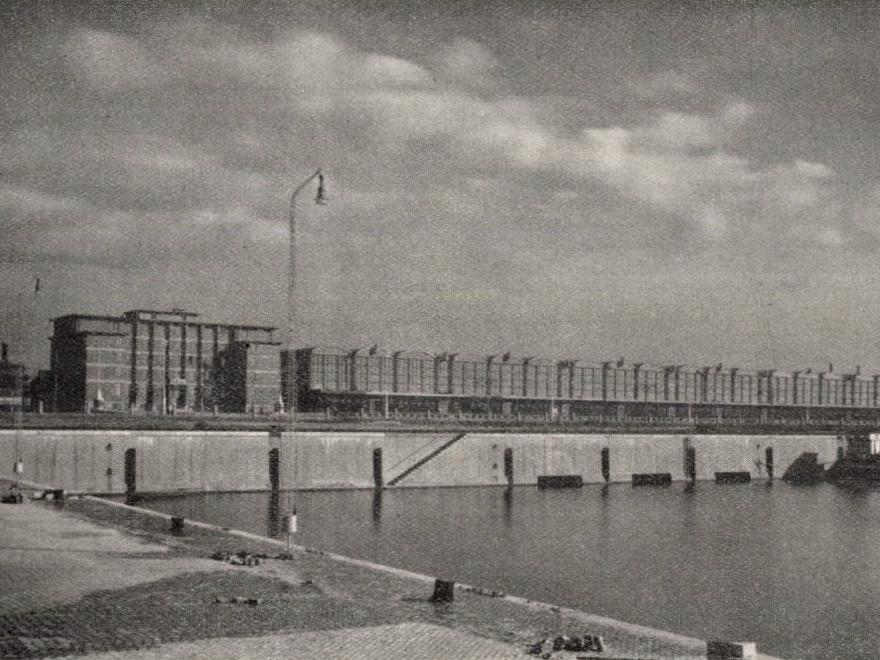
Großaktion Budapest. How would the Jews of Budapest have been Deported?
-
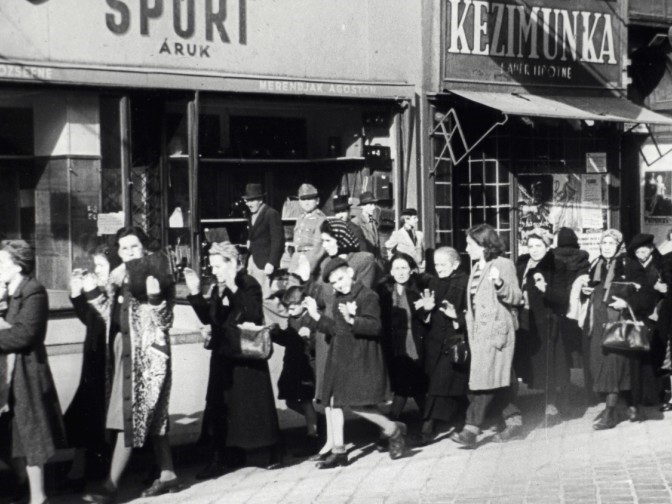
“The Danube was Red with Jewish Blood.” Arrow Cross Murders in Budapest
-
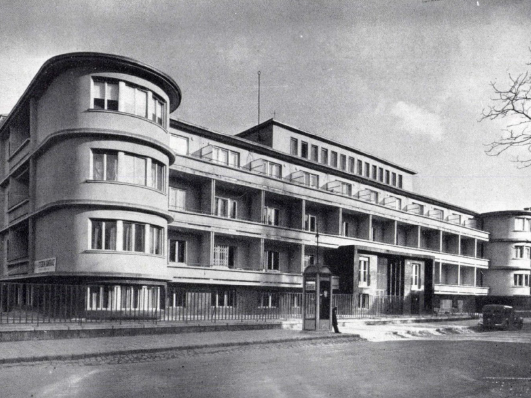
-
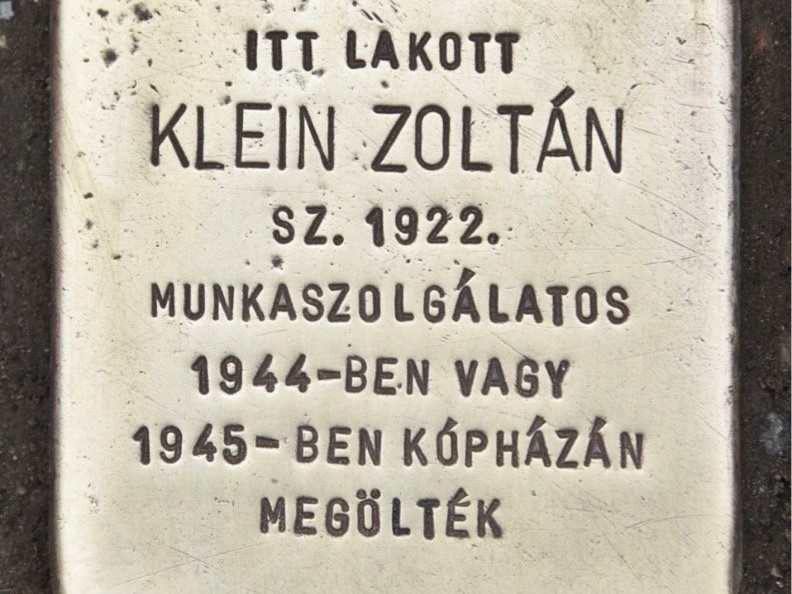
Death March, Brick Factory, Slave Labor. The Budapest Deportations in Late 1944
-
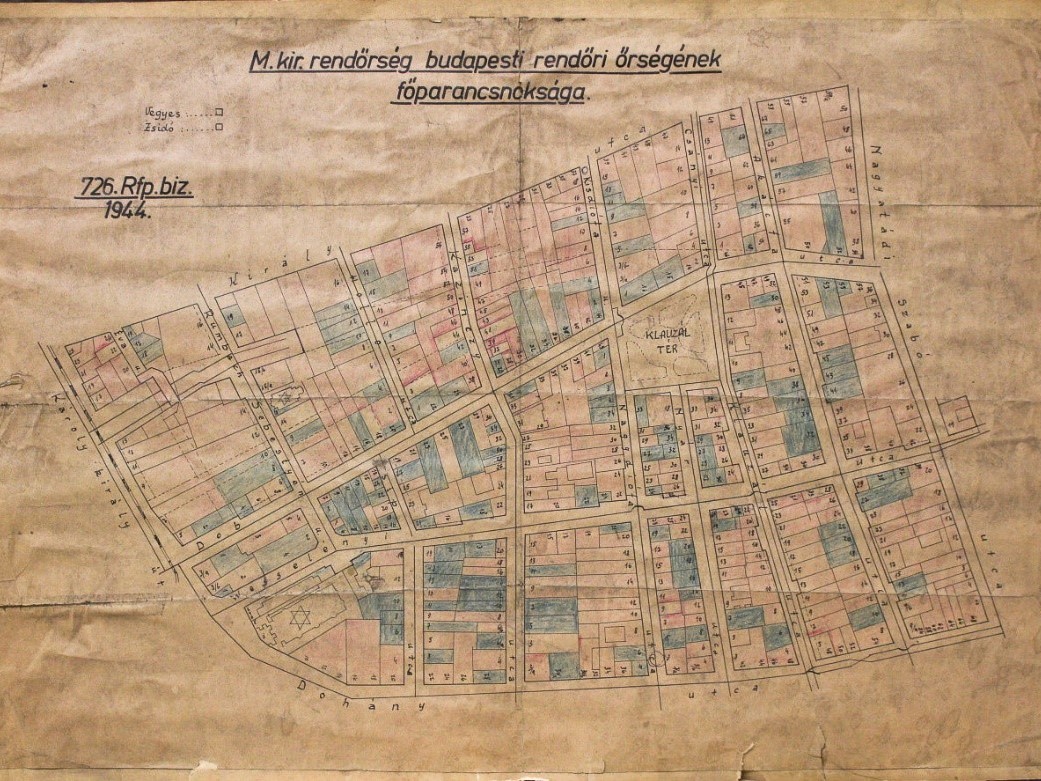
Ghetto and Liberation. Jews of Budapest at the End of the War
-
-
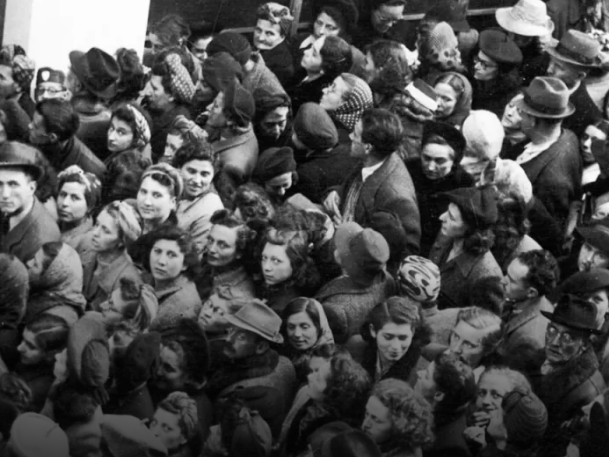
To Obey or Resist? Group and Individual Responses to Persecution in Budapest
-

-
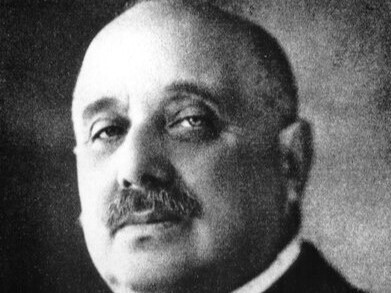
Fates in Budapest. The Founder of the Hungarian Pharmaceutical Industry: Gedeon Richter
-
-
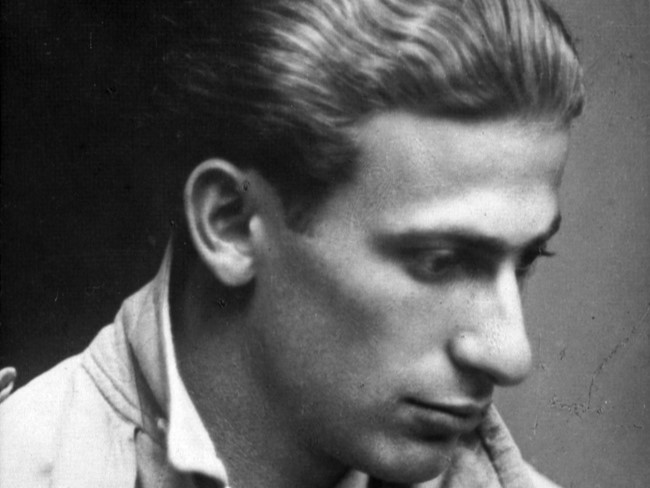
Fates in Budapest. The Rosenthal Saga: Forced Labor, Bergen-Belsen and the "Horror Train"