On the Eve of the Catastrophe. Jews in Budapest before 1944
At the time of the German occupation of Hungary on March 19, 1944, only New York, London, and Tel Aviv had a larger Jewish population than Budapest.
A Hungarian-Jewish city
With the unification of Pest, Buda and Óbuda, Budapest was born in 1873. Following this merger, the newly established capital underwent rapid development, emerging as the epicenter of modernization in Hungary. Industrialization accelerated dramatically, with factories and manufacturing plants proliferating, a comprehensive railway network expanding rapidly, and a modern banking system emerging.
Amid this dynamic transformation, certain segments of the Jewish population played a pivotal role. Possessing entrepreneurial drive, economic expertise, and financial capital often lacking among the traditional landowning gentry, they became key agents of modernization and economic growth—alongside the German bourgeoisie. Numerous Jewish families established expansive industrial enterprises, some evolving into European-scale empires within just two generations, often centered in or around Budapest.
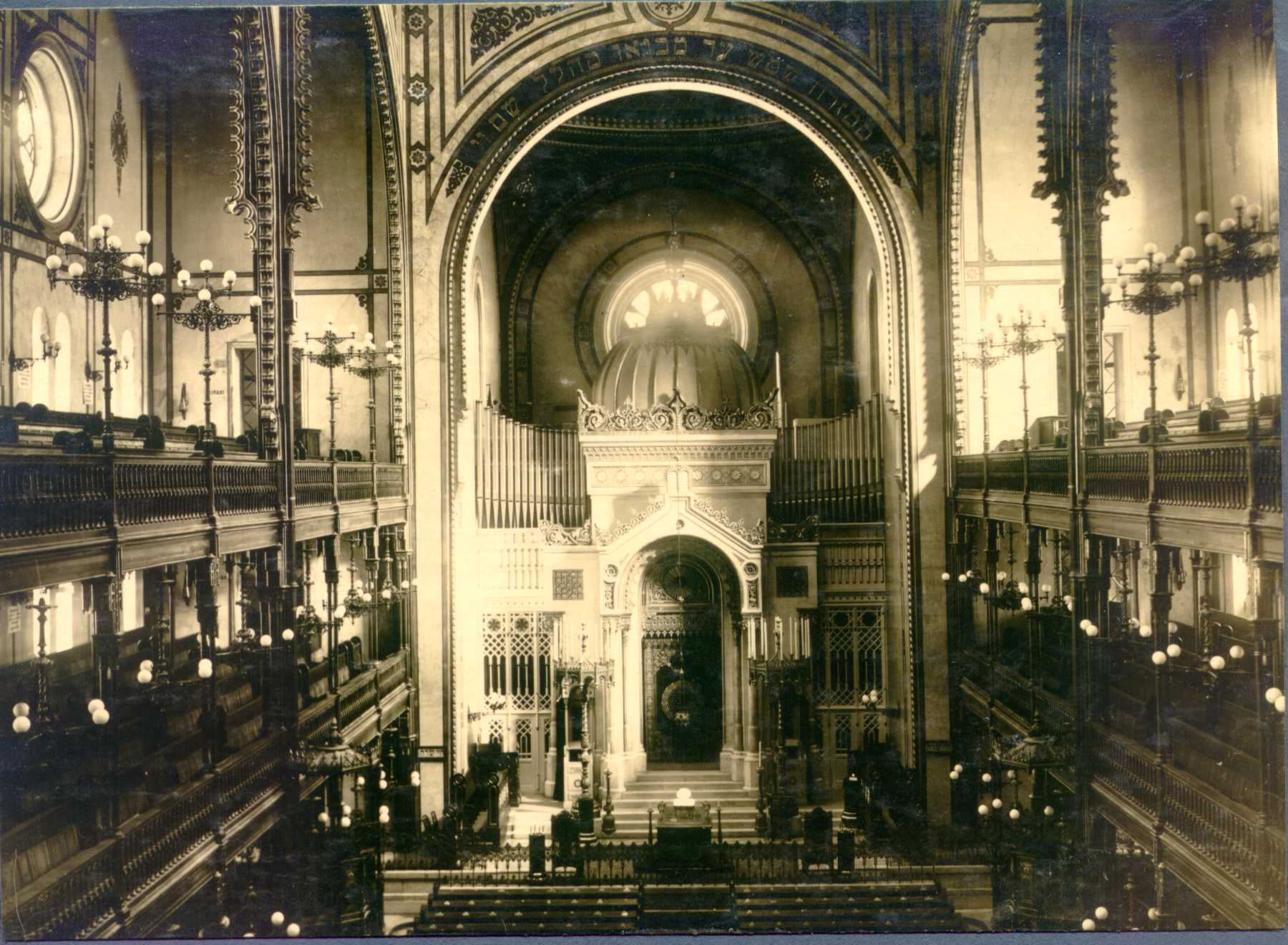
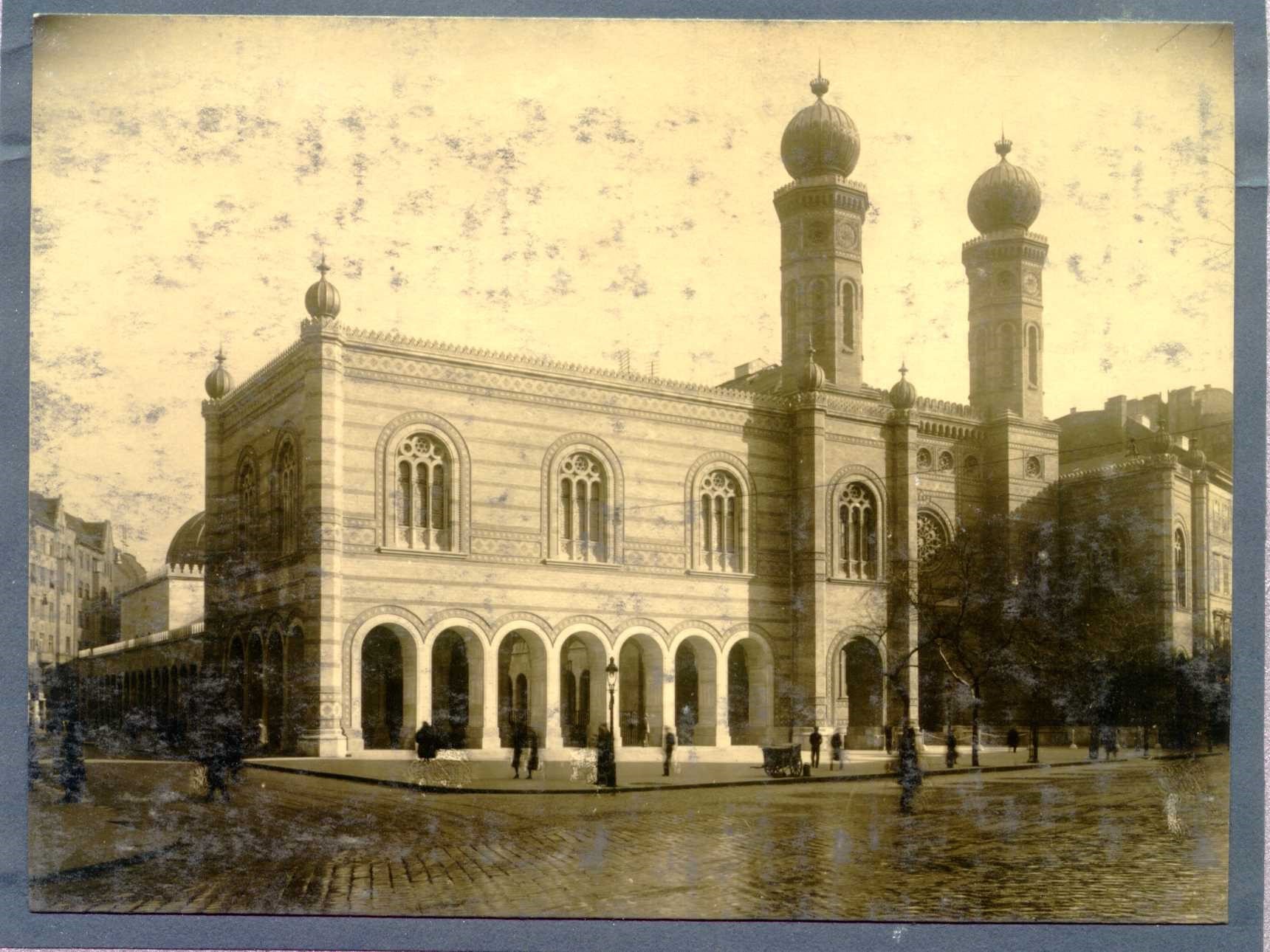
The capital also became a focal point of assimilation. The “Neolog” movement was particularly influential in Budapest. This branch of Judaism in Hungary revised religious rules in a liberal spirit, modernized and loosened dietary and liturgical regulations. Conversions to Christianity among the Budapest Jews also occurred, but they did not represent a widespread trend. Nonetheless, cultural assimilation was significant: by 1941, only 408 of the 184,453 Jews in Budapest reported Yiddish as their mother tongue.
Between 1880 and 1920, both the number and proportion of Jewish residents in Budapest grew significantly—from 70,879 (19.9% of the population) to 215,512 (23.2%). However, this trend reversed in the following decades, with the Jewish population declining to 184,453 (15.8%) by 1941. This decrease was attributable to several factors, including emigration and religious conversion to Christianity.
Between the two World Wars, the Jewish population of Budapest continued to be marked by considerable cultural and social diversity. Both Neolog and Orthodox communities were present in the capital, though not in equal proportions, the Neolog being the dominant. In addition, tens of thousands of Jews who had converted to Christianity—but were later still classified as Jewish under discriminatory laws—resided in the city (37,931 in 1941).
The diversity of Jewish life in Budapest was reflected in the city's residential landscape. Opulent villas along Andrássy Avenue and at the foot of the Buda mountains housed affluent industrialist families with ties to the highest political echelons. In the newly-built Újlipótváros district, on the northern part Pest, members of the Jewish intelligentsia occupied spacious bourgeois apartments. Meanwhile, lower-ranking officials and artisans lived closer to the ancient city center in the more modest, circular-corridor tenement houses of Erzsébetváros and Terézváros, while market vendors inhabited deteriorating rooms in the outer areas of Józsefváros in the eastern part of the city. Together, these varied dwellings illustrated the wide spectrum of social and economic realities experienced by Budapest’s Jewish residents.
War years
The political composition of Budapest’s municipal government between the two World Wars diverged notably from the national political landscape. Liberal and left-wing parties consistently performed better in municipal elections than in national contests, which were dominated by nationalist, right-wing political forces. In the 1925 election, for instance, liberals and social democrats together secured a 54.4 percent majority. However, the right-wing central government employed administrative measures to prevent them from assuming control of the city.
The city council included a significant number of Jewish members. This situation was fundamentally altered by Act XIX of 1941, titled "On the Right of Membership of the Municipal Committees and the Municipal Councils, and on the Transitional Rules for Public Administration Exams." The act annulled the mandates of all Jewish members of the capital's district councils, even those who were exempted from the provisions of the Second Jewish Law (Act IV of 1939) under its exemption clauses. As a direct result, 34 members of the General Assembly and 24 members of the Municipal Committee lost their seats.
Between 1938 and 1944, approximately 15,000 Jewish refugees sought asylum in Hungary—then considered a relatively safe haven—fleeing persecution in the Third Reich and Nazi-occupied Austria, Czech, Polish territories, and Slovakia. Most of these refugees settled in Budapest. However, the capital and its surrounding areas were not spared from the anti-Jewish actions carried out by Hungarian authorities. In the summer of 1941, a mass deportation targeted Jews of so-called "irregular nationality," resulting in the forced transport of 16,000 to 18,000 individuals from Hungary to the Eastern Front. There, at Kamenets-Podolsky, they were executed by SS units in one of the earliest large-scale massacres of the Holocaust. During the operation, many refugee Jews were also arrested and deported from Budapest and the neighboring towns.
With the support of Nazi Germany and Fascist Italy, Hungary annexed large territories from Romania, Czechoslovakia and Yugoslavia between 1938 and 1941. In this enlarged country, 825,000 Hungarian citizens were classified as Jews. By 1944, tens of thousands had already perished, primarily due to forced labor service and the mass deportation to Kamenets-Podolsky. Consequently, on the eve of the German occupation, an estimated 760,000 to 780,000 Hungarian citizens remained subject to the anti-Jewish laws. The largest concentration of Jews was in Budapest, where, at the time of the German occupation on 19 March 1944, between 200,000 and 220,000 Jews resided—including around 40,000 converts to Christianity.
At that time, only New York, London, and Tel Aviv had larger Jewish populations than the Hungarian capital. The Jewish communities of Odessa, Lvov, and Kiev, which used to be similar in size to that of Budapest, had already been murdered by the Nazis, as had the nearly half a million inhabitants of the Warsaw ghetto. The largest Jewish community in Nazi-occupied Germany or its allied countries was therefore in Budapest. The reason for this can be found in the policies of the head of state, Regent Miklós Horthy. The Hungarian leadership, which had been distancing itself from Hitler since 1943 and attempting to move closer to the Western allies, wanted to demonstrate its sovereignty in the “Jewish question”. For this reason, it repeatedly refused Berlin's demands to hand over Jews, which were aimed at exterminating them.
-
-
-
-
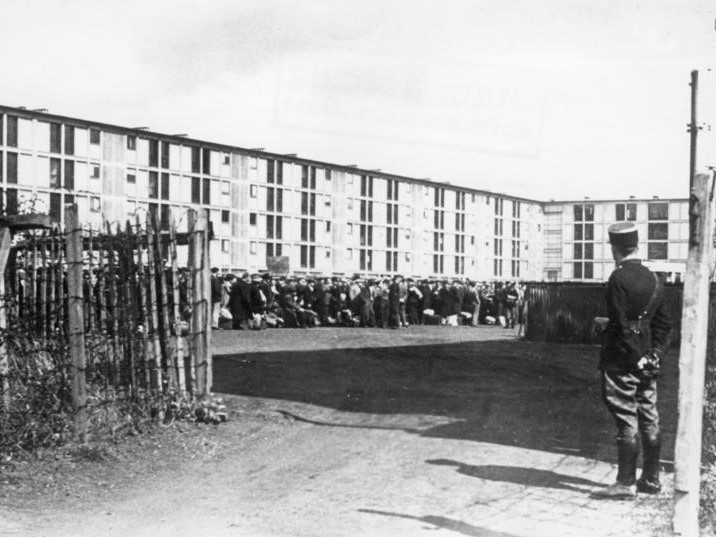
Budapest, Paris, Auschwitz. Budapest Jews and the Holocaust in France
-
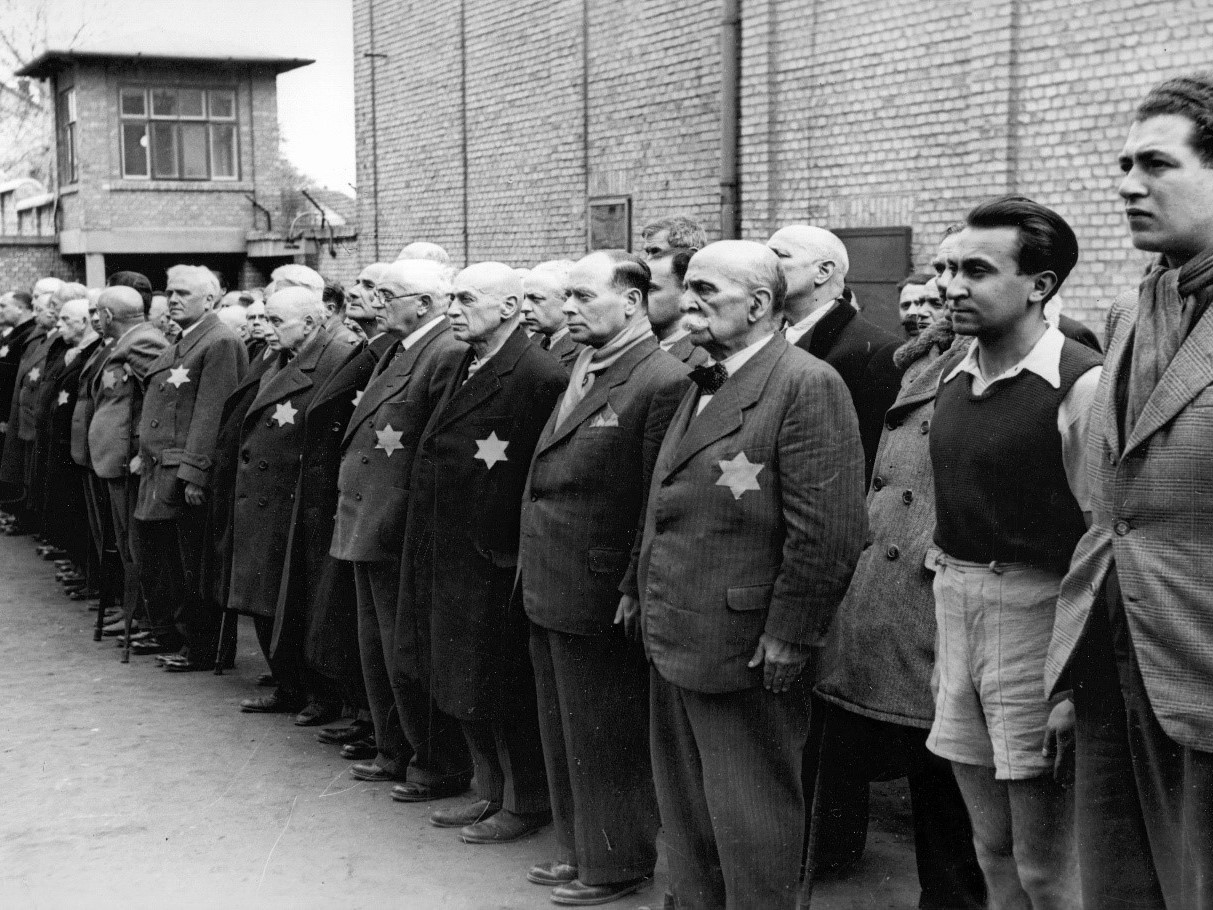
Invasion, Police Raids, Internment. The German Occupation and the Budapest Jews
-
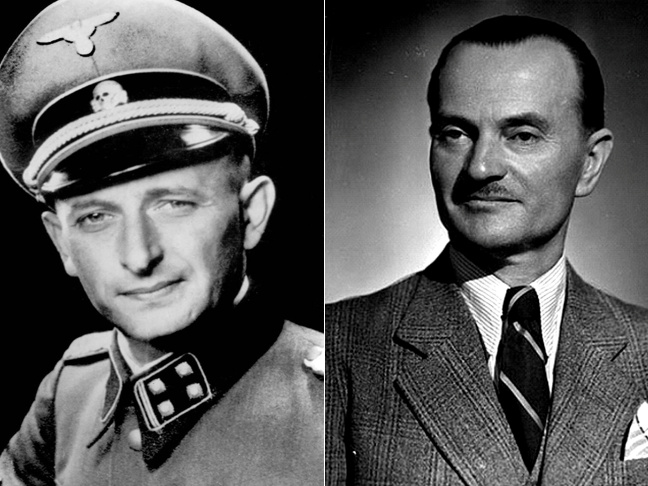
-
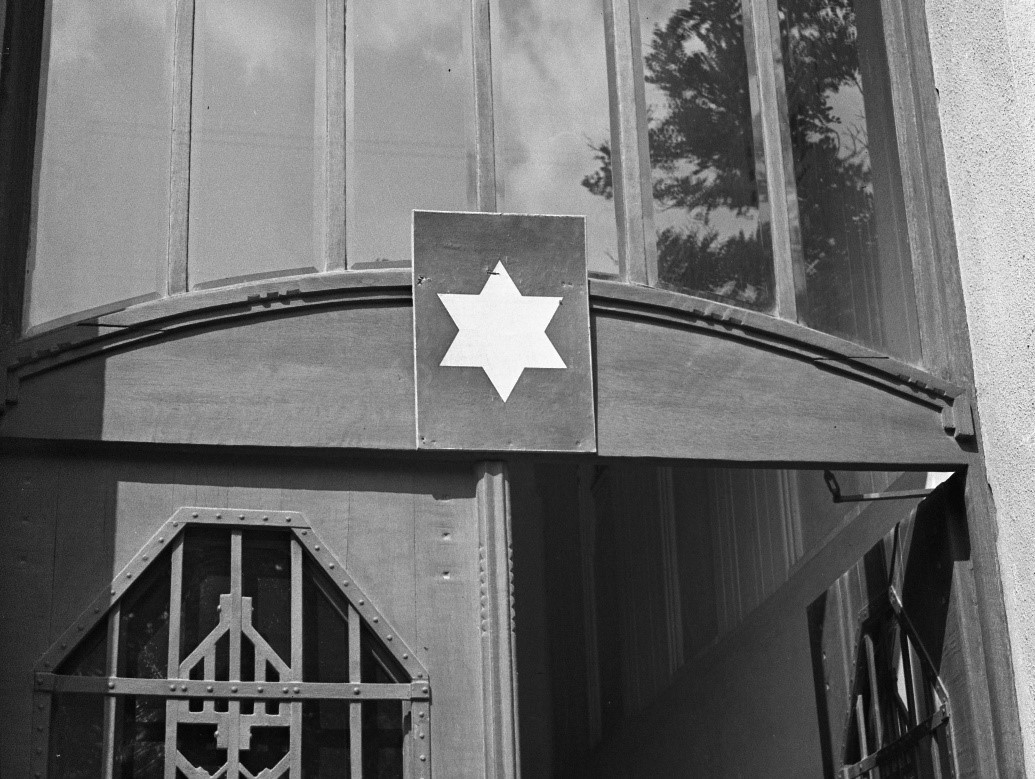
Star-Marked City. The First Ghettoization of the Budapest Jews
-
-
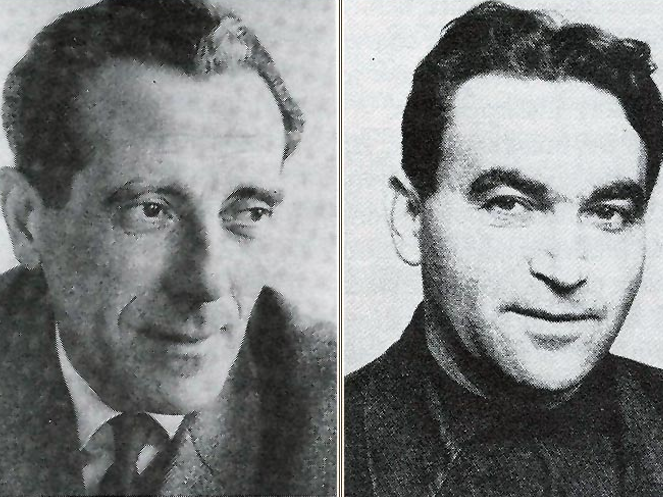
"In Poland, Jews are being gassed and burned." The Suspension of the Deportations
-
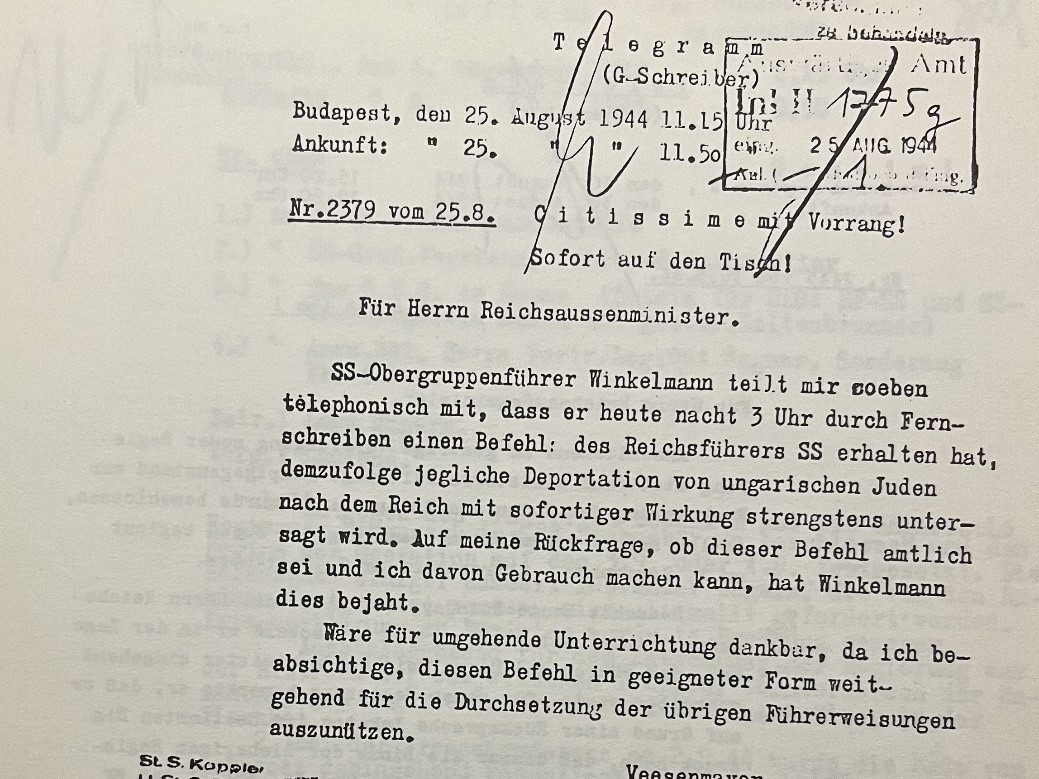
Chips on the Poker Table. The Fate of the Budapest Jews in August 1944
-
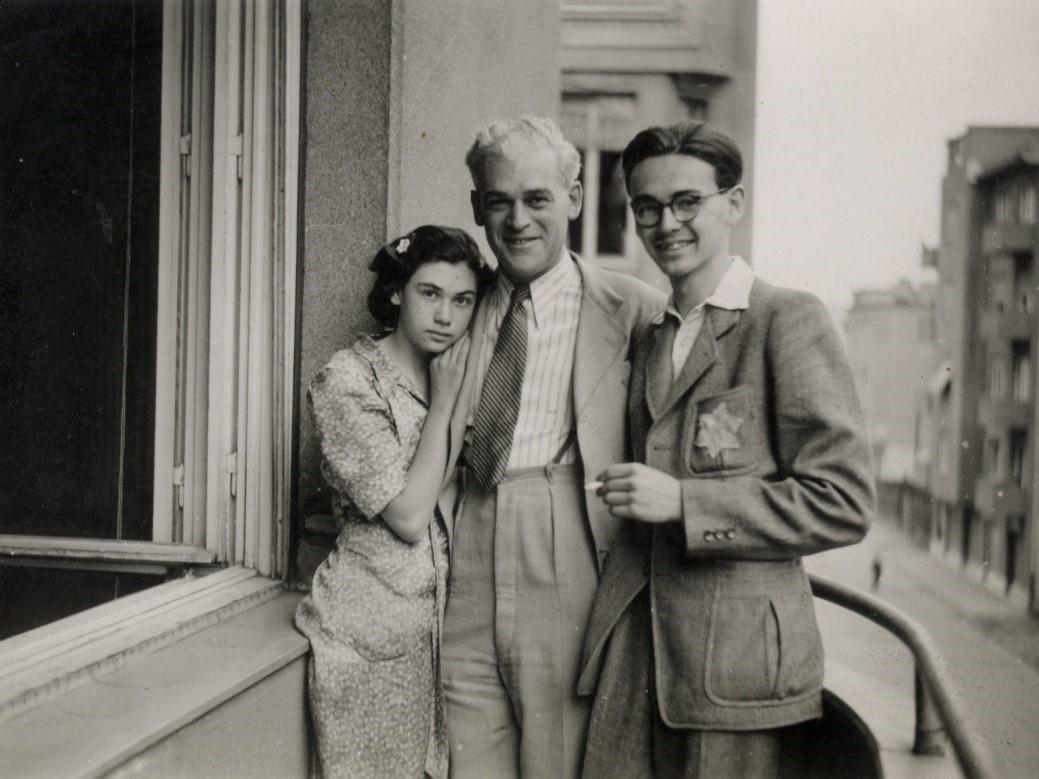
“They are being killed with gas and burned.” What did the Budapest Jews know and what could they do?
-
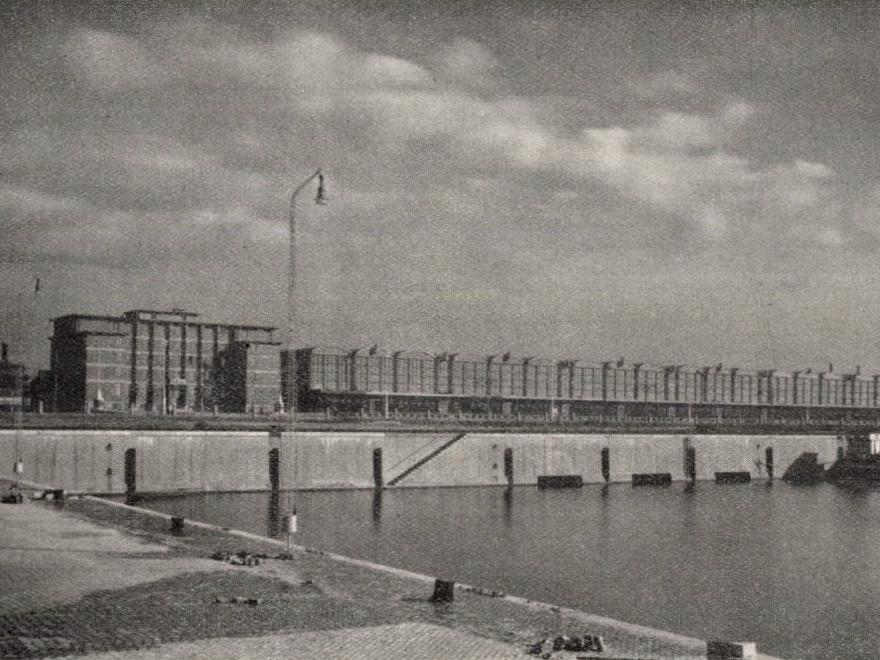
Großaktion Budapest. How would the Jews of Budapest have been Deported?
-
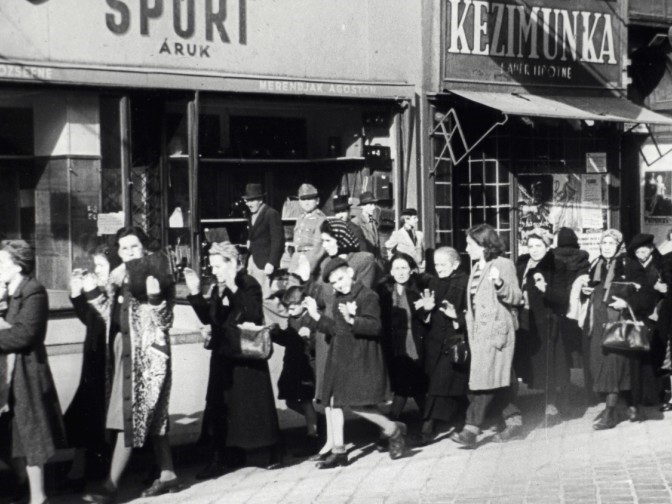
“The Danube was Red with Jewish Blood.” Arrow Cross Murders in Budapest
-
-
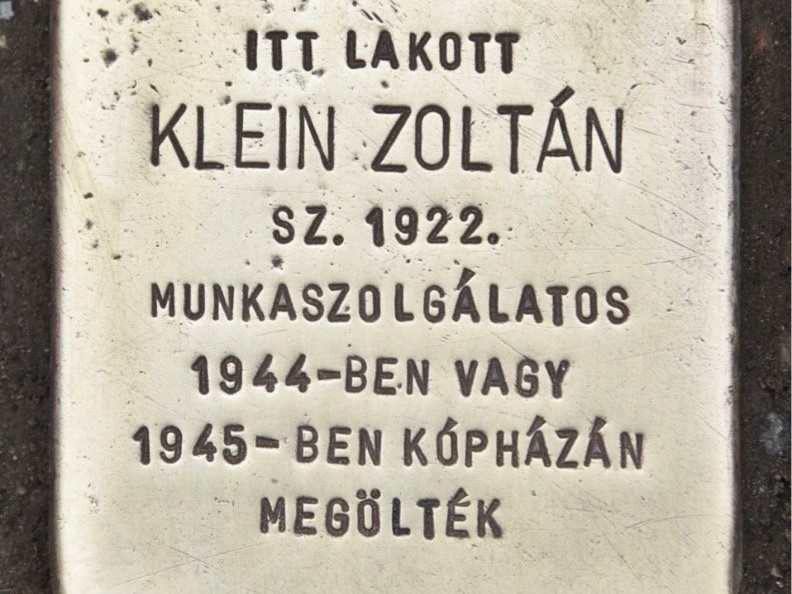
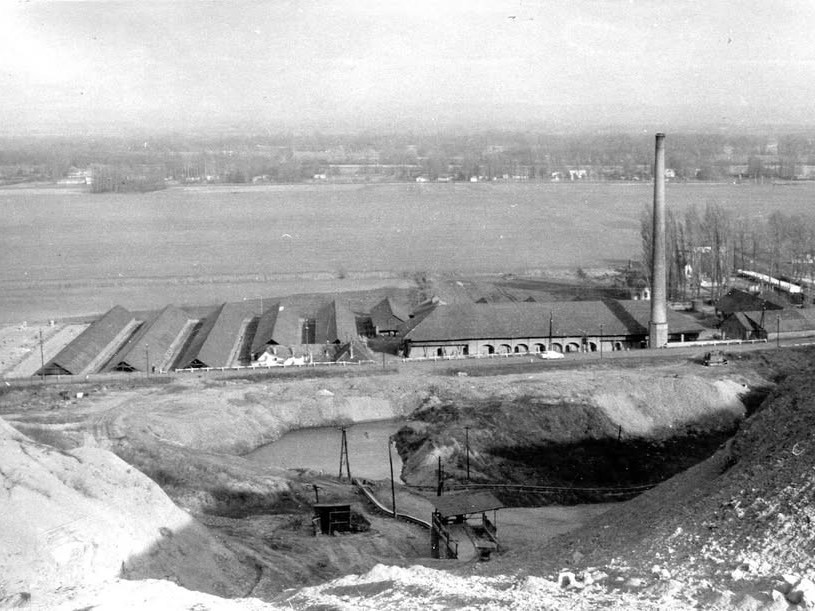
Death March, Brick Factory, Slave Labor. The Budapest Deportations in Late 1944
-
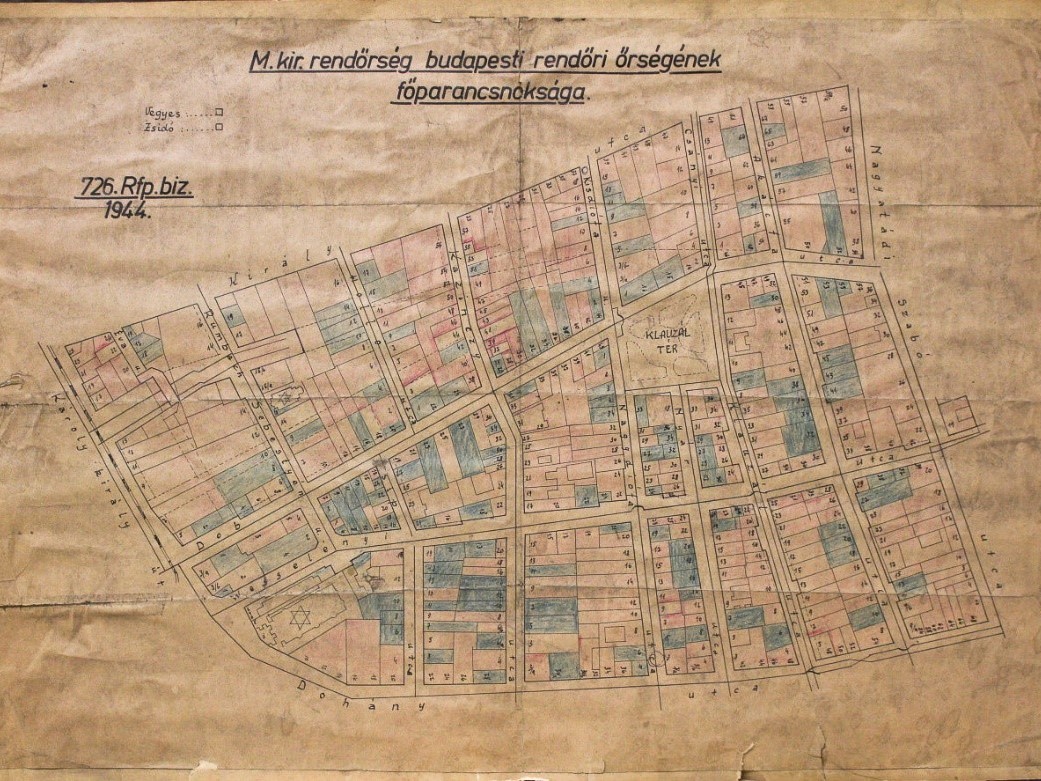
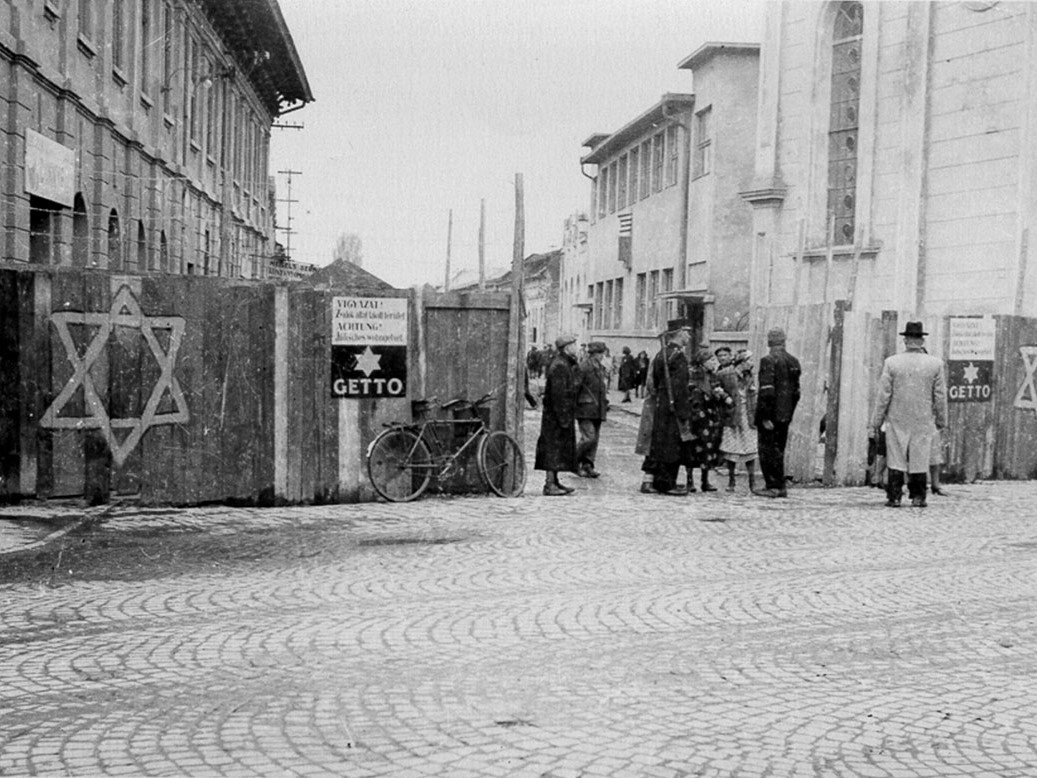
Ghetto and Liberation. Jews of Budapest at the End of the War
-
-
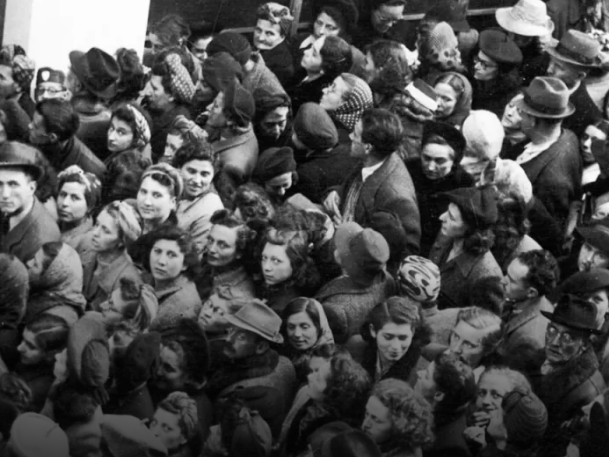
To Obey or Resist? Group and Individual Responses to Persecution in Budapest
-
-
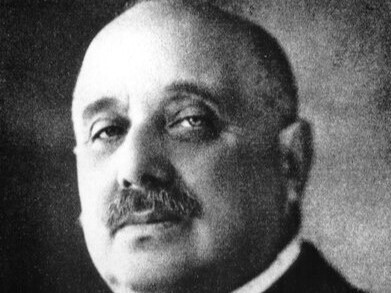
Fates in Budapest. The Founder of the Hungarian Pharmaceutical Industry: Gedeon Richter
-
-
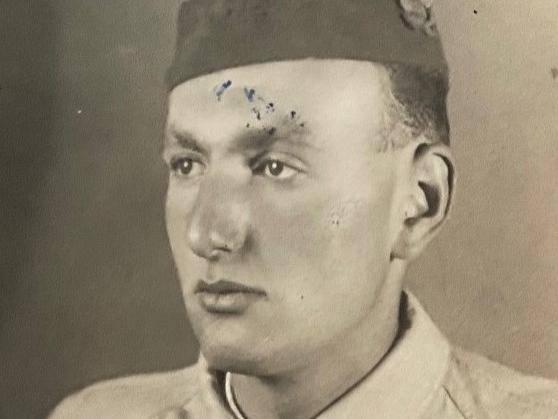
Fates in Budapest. The Rosenthal Saga: Forced Labor, Bergen-Belsen and the "Horror Train"