"In Poland, Jews are being gassed and burned." The Suspension of the Deportations
On the brink of the Budapest deportations, in early July 1944, Regent Miklós Horthy halted the transports. He was compelled to do so primarily due to Germany’s deteriorating military situation and mounting pressure from the international diplomatic community and public opinion, which was increasingly aware of the details of the mass murder.
From early June 1944, the scale of the tragic fate of Hungary’s Jews became increasingly clear. Reports about the conditions in the ghettos, the brutality of the gendarmerie, and the details of the deportations began reaching Regent Miklós Horthy. Horthy, who probably knew that Jews were systematically murdered by the Nazis way before 1944, came to realize that by permitting and facilitating the deportations, he had made an irreparable mistake. In the second half of the month, he faced mounting pressure from both domestic and international sources. While Christian churches did not publicly oppose the deportations, they sought to intervene on behalf of Jews who had converted to Christianity. His immediate circle—including his son and also a close confidant, István Bethlen—also urged him to break with his previous Jewish policy, as did foreign leaders. On June 25, Pope Pius XII sent a letter of protest, followed by U.S. President Franklin Delano Roosevelt on June 26, and King Gustav V of Sweden on June 30. Spreading information about the fate of Hungarian Jews in Birkenau played a significant role in fueling the wave of international protest.
The Auschwitz Protocol
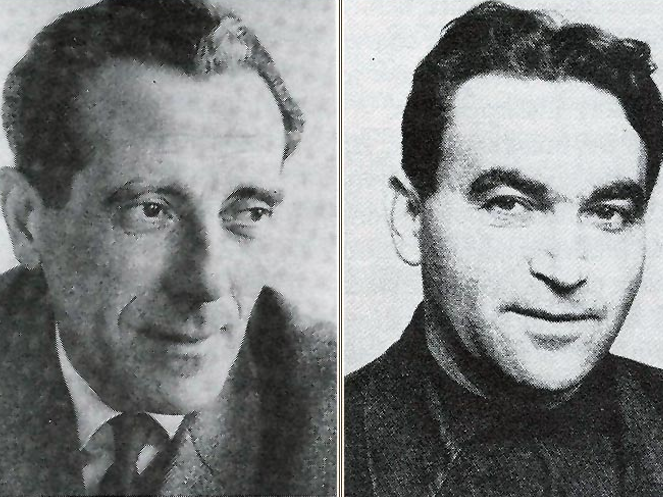
On April 7, 1944, two Slovak Jews, Rudolf Vrba (born Walter Rosenberg) and Alfred Wetzler, escaped from Auschwitz–Birkenau. The escape had been planned over many months. Both men worked as clerks, a position that allowed them relatively free movement within the camp. Imprisoned since 1942, they were longtime inmates with influence and had ties to the camp’s underground resistance. They were fully aware of the scale of the mass killings. Their motivation was not merely saving their own lives—they aimed to alert the world to the ongoing extermination. They obtained and copied blueprints of the camp and its crematoria, gathered testimonies from the cremation unit, and compiled key information about SS officers.
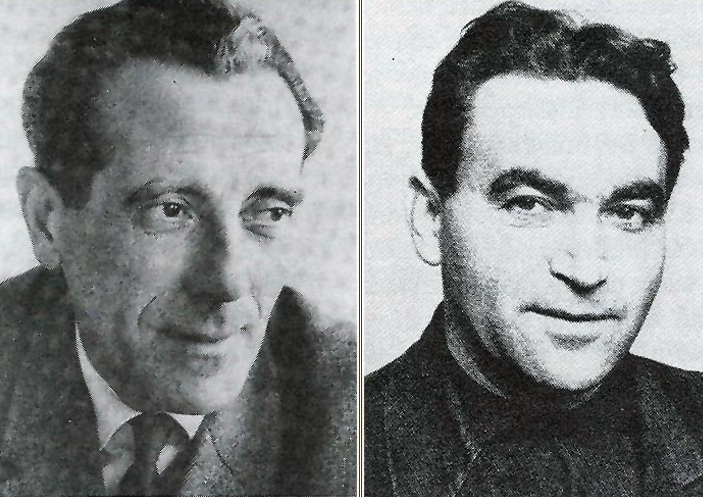
On May 27, another escape took place from Birkenau. Slovak and Polish Jews Arnost Rosin and Czesław Mordowicz, who had met while assigned to a penal unit, fled in a manner similar to Vrba and Wetzler, also making their way to Slovakia. In Liptovský Mikuláš, Slovakia, they successfully established contact with Zionist activists. After hearing their testimony, the Zionists supplemented the Auschwitz Protocol with new information. Rosin and Mordowicz were the first to report in detail on the ongoing extermination of Hungarian Jews. The expanded document reached the leaders of the major Allied powers, as well as the international press.
The final weeks
Parts of the Auschwitz Protocol that had been made public circulated widely in the international press and, through Jewish leaders, also reached Hungarian religious leaders and political authorities. By then, many people knew what awaited Hungarian Jews. Horthy was heavily influenced by the deteriorating military situation: the Allies had successfully landed in Normandy on June 6, and soon broke out of the beachhead and advanced across France. The Soviet offensive was liberating one occupied territory after another; the Red Army had entered Poland and was approaching Hungary’s borders. Meanwhile, the U.S. Navy had dealt a significant blow to Japanese forces at the Battle of the Mariana Islands. It was becoming increasingly clear that Nazi Germany would lose the war.
On June 21, an extraordinary cabinet meeting was held, with deportation as the central issue. Deputy Foreign Minister Mihály Jungerth-Arnóthy, who had opposed the deportations from the start, warned the government that the fact and manner of the deportations were damaging Hungary’s international reputation day by day. “There are reports,” he told those present bluntly, “that in Poland, weakened Jews are being gassed and burned.” In contrast, State Secretaries of the Ministry of the Interior László Endre and László Baky painted an almost idyllic picture of the operations: the population welcomed the ghettoization of Jews, black market activity had ceased with their removal, the ghettos and collection camps were well provisioned, and the authorities were acting strictly, but in “the spirit of Christian charity”.
No decision was made at this meeting to halt the deportations. However, Horthy convened a „Crown Council” for June 26—a meeting distinguished from a regular cabinet session by the regent’s own attendance. There, he proposed the removal of Endre and Baky and the cessation of deportations. The government adopted a memorandum granting, in principle, limited permission for Jewish emigration to Sweden and Palestine. Nevertheless, the deportations continued, and in practice, Endre and Baky retained control over Jewish affairs.
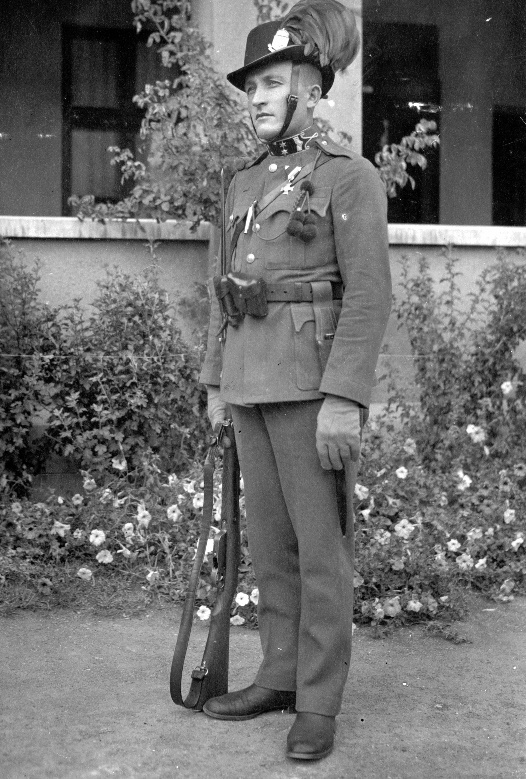
Meanwhile, plans were finalized for the deportation of the capital’s Jews. The idea was that, under the pretense of a flag consecration ceremony for a gendarmerie battalion, numerous gendarmerie units would arrive in Budapest and, within a few days, liquidate the “yellow-star houses” and deport the Jews.
In early July, gendarmerie units did in fact arrive in large numbers, just as planned. Until this point, Horthy had hesitated and remained passive. However, the conspicuous presence of the gendarmes marching into the capital convinced him that a coup might be in the making. In response, he banned the flag consecration ceremony, ordered troops loyal to him into the capital, and commanded the gendarmerie leadership to withdraw from Budapest.
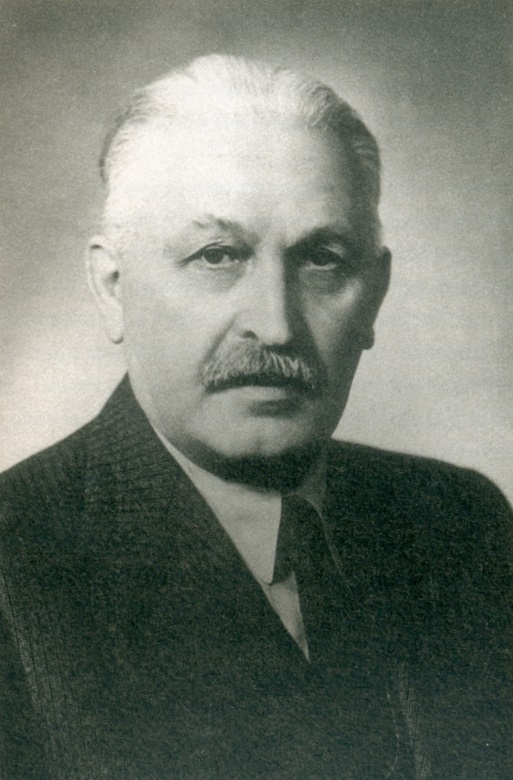
One of the lowest points of Horthy’s 25-year tenure as head of state came in the summer of 1944. Although he had resolved to halt the deportations by early June, he only announced this decision at the Crown Council on June 26, issued the order to his own government in early July, and did not fully implement it until after July 8. This delay cost the lives of tens of thousands of Hungarian citizens. The Germans protested Horthy’s decision through both formal and informal channels, but at that moment, lacking the military means to apply direct pressure, they were unable to force the continuation of deportations. They also avoided an open break with Horthy, unwilling to risk jeopardizing the use of Hungary’s military and economic resources by pushing for the deportation of Budapest’s Jews. As a result, more than 200,000 Jews in the capital were—at least temporarily—spared. In contrast, the Jewish communities of the provinces had been destroyed. By this point, Jews remained in Hungary only in Budapest and in labor service units.
-
-
-
-
Budapest, Paris, Auschwitz. Budapest Jews and the Holocaust in France
-
Invasion, Police Raids, Internment. The German Occupation and the Budapest Jews
-
-
Star-Marked City. The First Ghettoization of the Budapest Jews
-
-
"In Poland, Jews are being gassed and burned." The Suspension of the Deportations
-
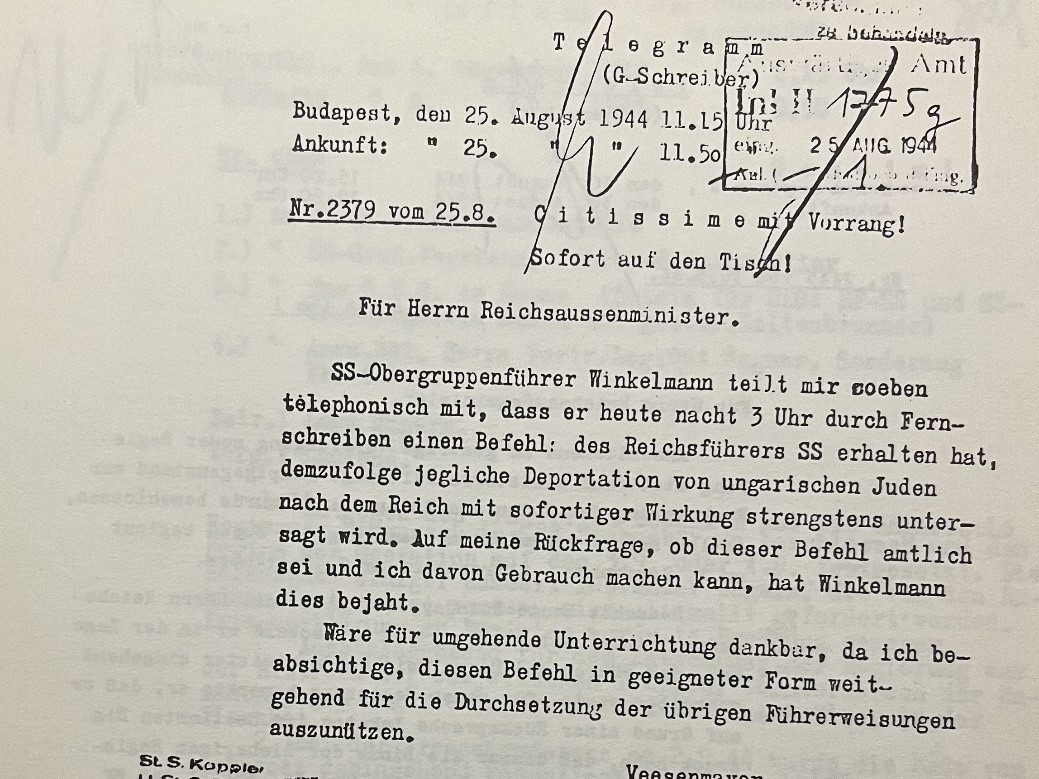
Chips on the Poker Table. The Fate of the Budapest Jews in August 1944
-
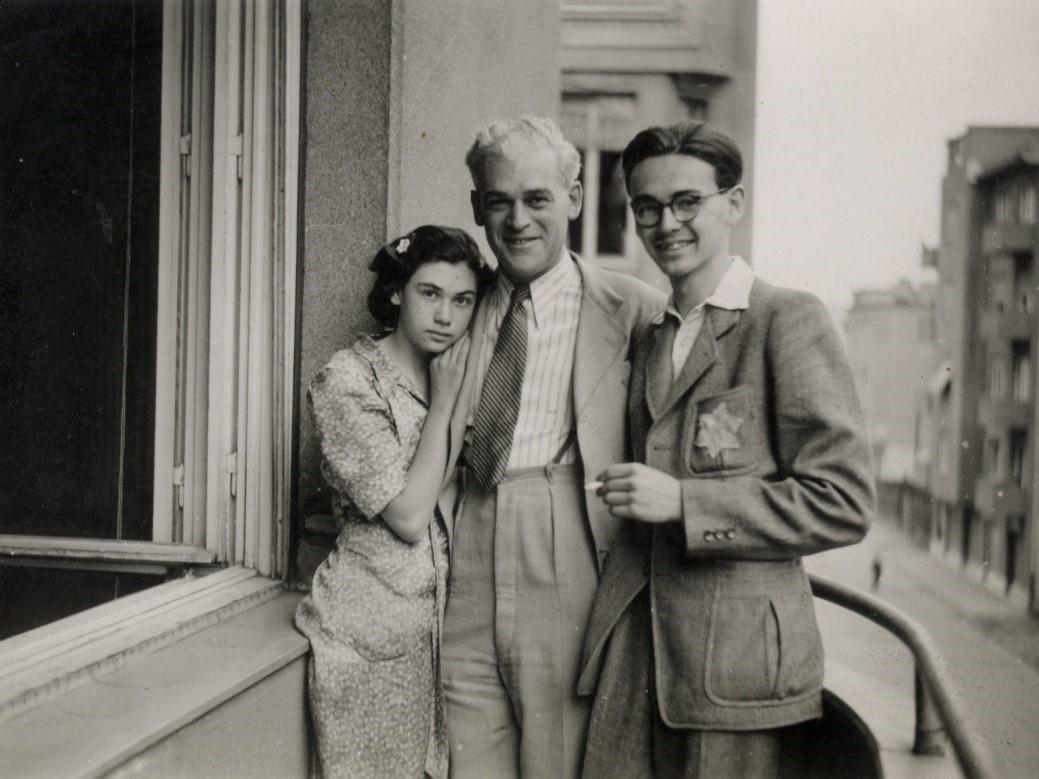
“They are being killed with gas and burned.” What did the Budapest Jews know and what could they do?
-
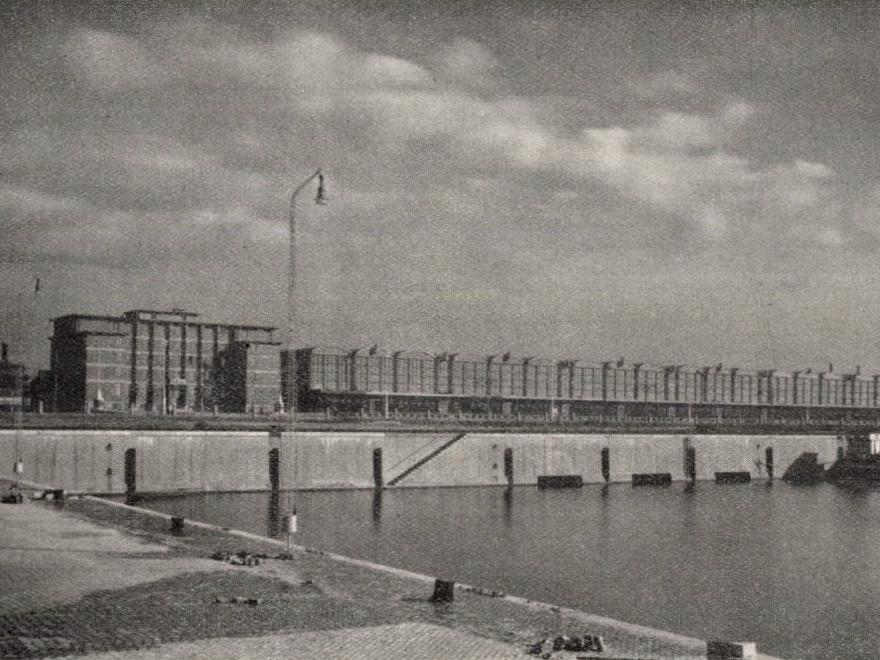
Großaktion Budapest. How would the Jews of Budapest have been Deported?
-
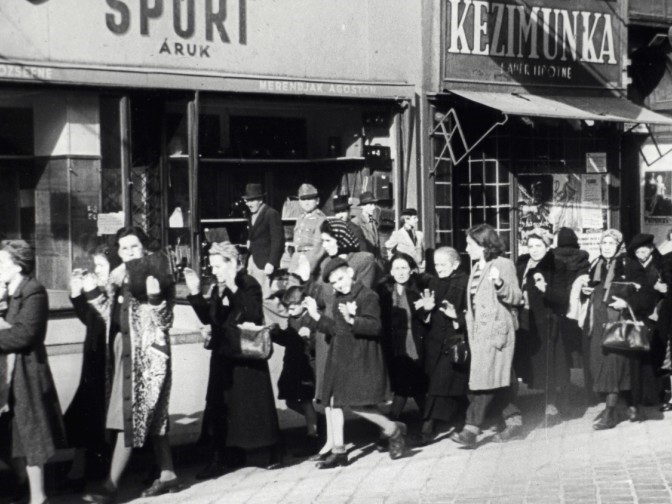
“The Danube was Red with Jewish Blood.” Arrow Cross Murders in Budapest
-
-
Death March, Brick Factory, Slave Labor. The Budapest Deportations in Late 1944
-
Ghetto and Liberation. Jews of Budapest at the End of the War
-
-
To Obey or Resist? Group and Individual Responses to Persecution in Budapest
-
-
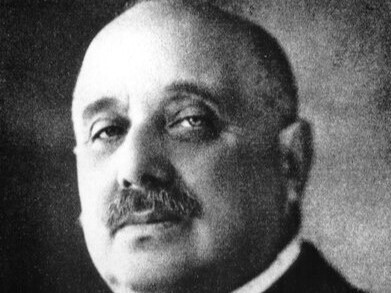
Fates in Budapest. The Founder of the Hungarian Pharmaceutical Industry: Gedeon Richter
-
-
Fates in Budapest. The Rosenthal Saga: Forced Labor, Bergen-Belsen and the "Horror Train"